

Last updated October 15, 2026
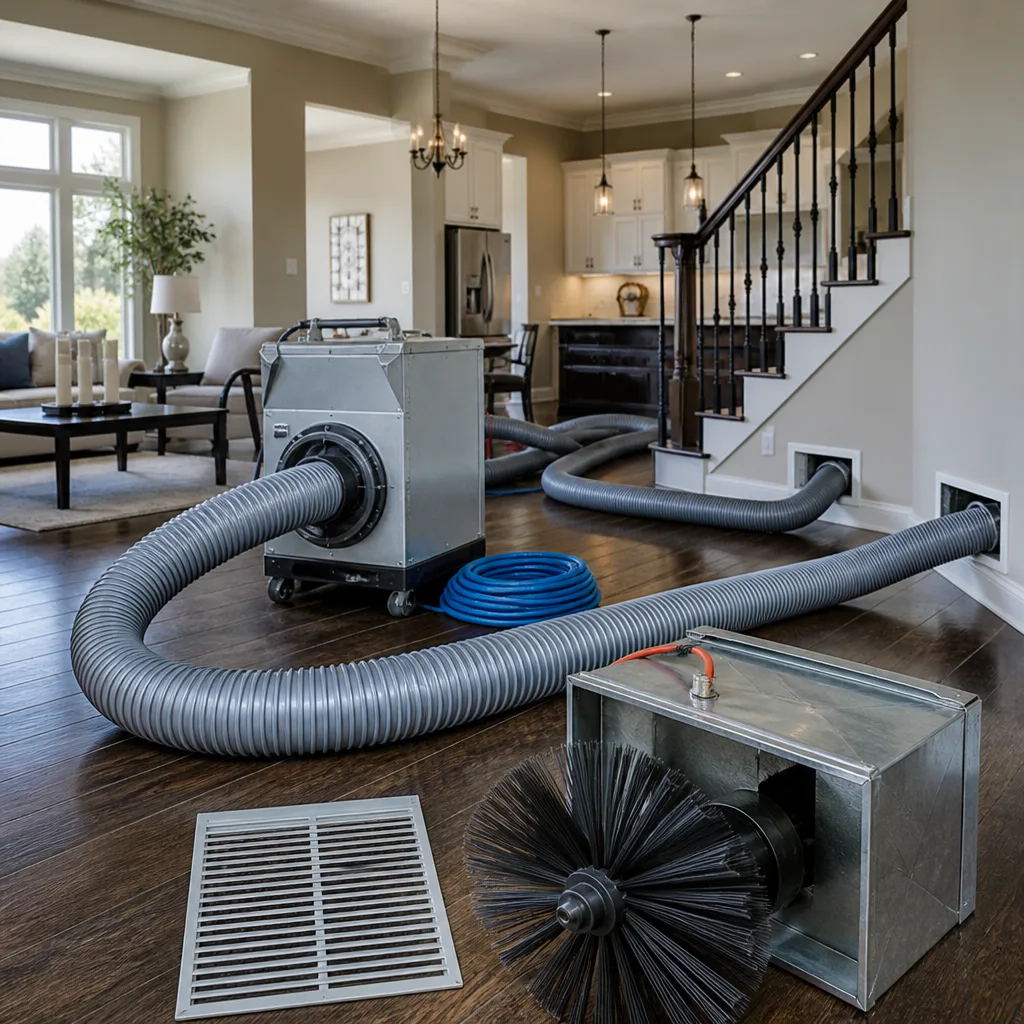 Whole-home duct cleaning
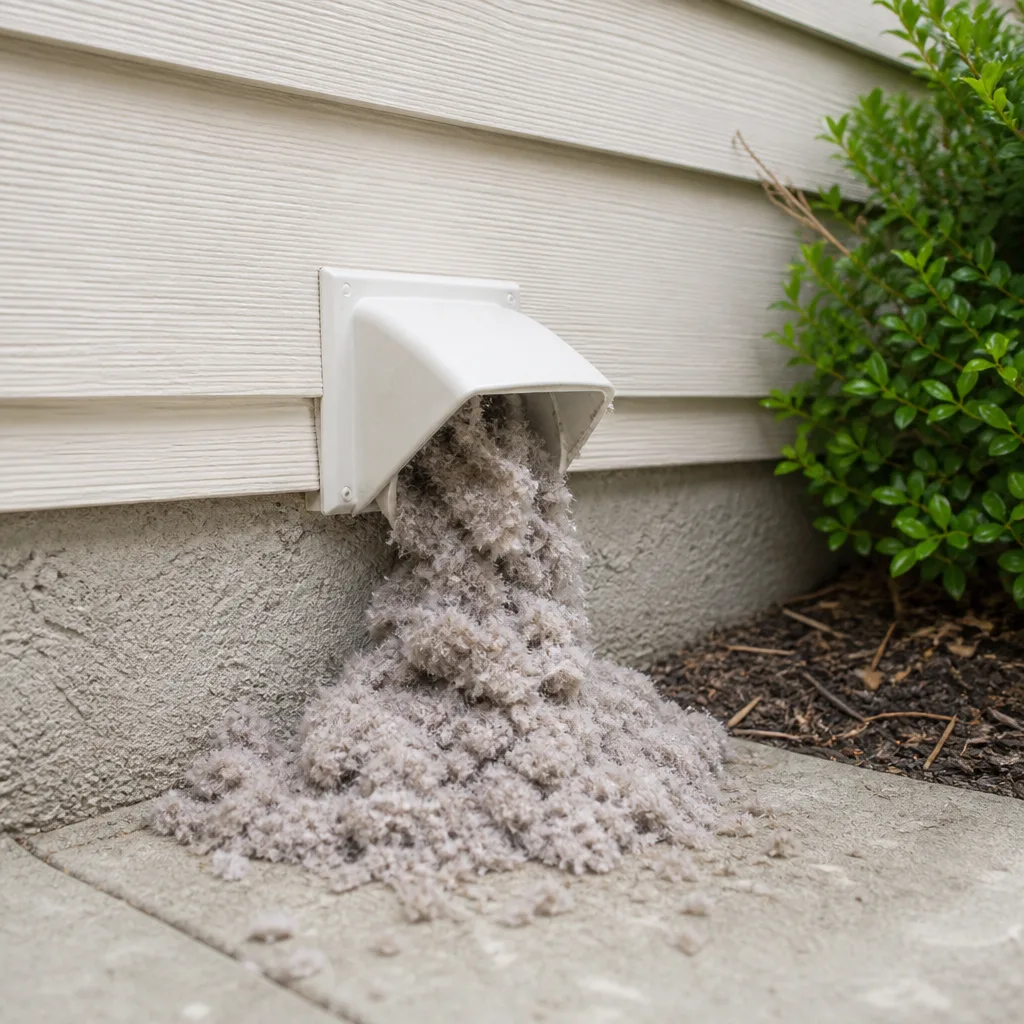 Dryer vent cleaning
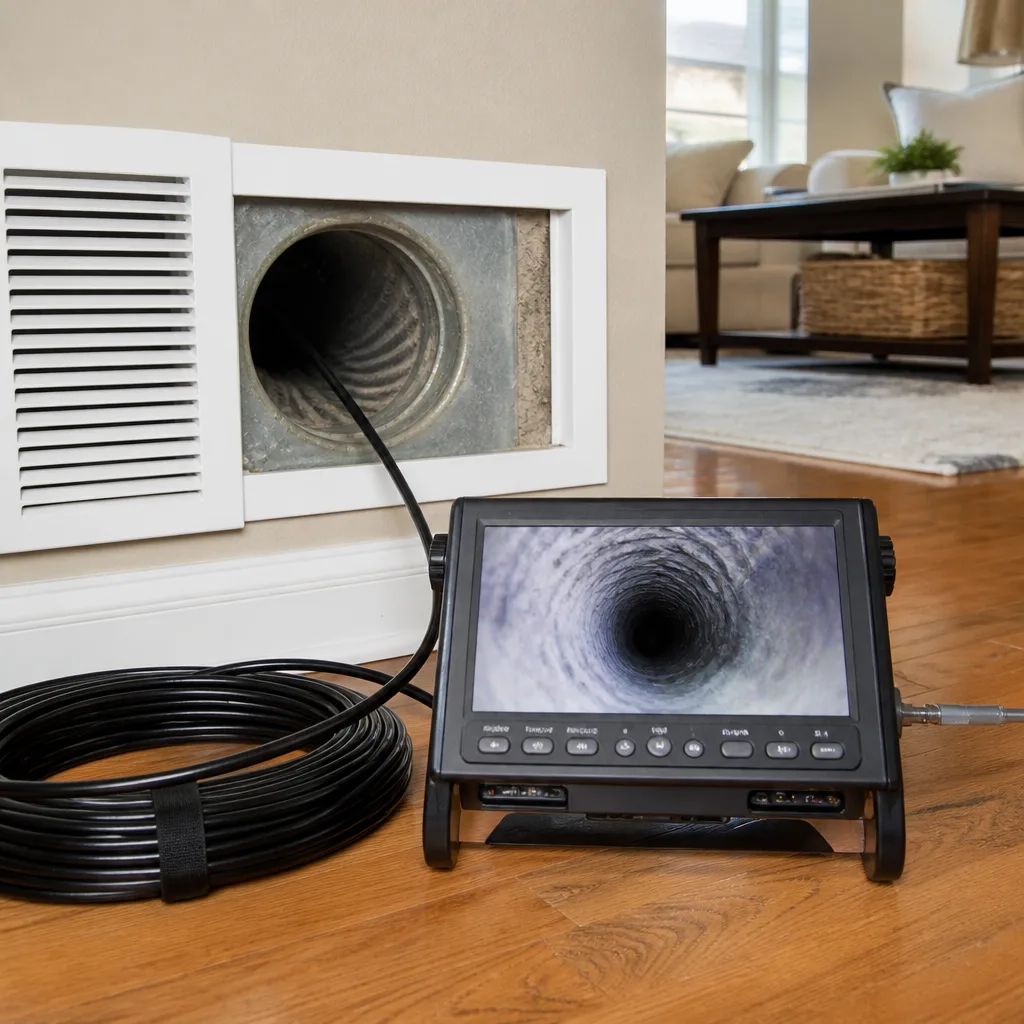 Camera inspection
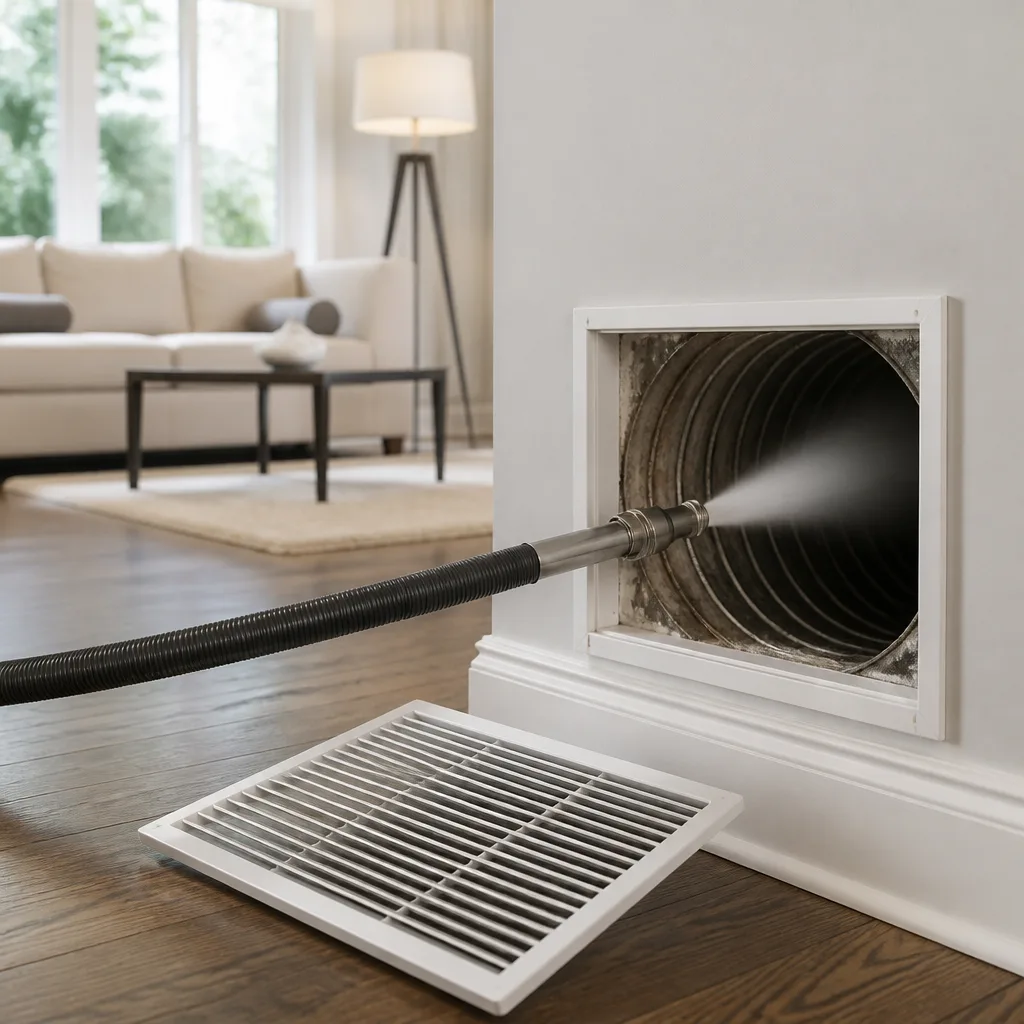 Sanitizing & deodorizing
Whole-system duct and dryer vent check with before-and-after photos - you see exactly what came out of your vents
That "$99 whole-house special" is a bait ad - the real number appears once they are in your hallway, or the "clean" is a shop-vac at the register. We photograph the inside of your ducts before and after instead.
DIY vs Professional Air Duct Cleaning: The Austin Homeowner’s Decision Guide
Every YouTube duct-cleaning tutorial shows someone vacuuming register grilles, wiping down the visible metal, and declaring the job done. But the grille is not the duct, and what’s growing six feet inside the system never appears on camera. This guide gives Austin homeowners a straight answer to a question most companies dodge: what can you actually accomplish with a DIY approach, what requires our Air Duct Cleaning services, and where the real costs land over five years of ownership. We’ll walk through the physics of airflow, the limits of consumer tools, the Austin conditions that change the math, and the exact scenarios where doing it yourself is genuinely the right call.
Quick Answer
DIY air duct cleaning in Austin is not dangerous, but it only reaches the first 18 inches of ductwork you can see, downstream of the register grille. That means a homeowner with a HEPA shop-vac and a brush kit cleans the easiest part of the system while the actual contamination, the stuff affecting air quality, continues to sit in the trunk lines and flex runs that a professional’s rotary brush reaches. If your home is under two years old or you’re dealing with surface dust from a recent renovation, DIY works. If your ducts hold years of accumulated debris, visible mold, or you have allergies that aren’t improving, professional negative-air extraction is the only method that removes what’s actually in there. Most Austin homes fall in the second category.
Styles & brands we work with
Table of Contents
- What a DIY Kit Actually Reaches (And What It Misses)
- Negative-Air Extraction vs. a Shop-Vac: The CFM Difference
- Why Austin’s Climate Makes Duct Cleaning Different
- When DIY Is Genuinely Sufficient
- When DIY Makes the Problem Worse
- The Real Cost Comparison: DIY vs. Professional Over 5 Years
- What Professional-Grade Equipment Does That Consumer Tools Can’t
- Common Mistakes to Avoid
- When to Call a Professional
What a DIY Kit Actually Reaches (And What It Misses)
Let’s be honest about what happens when you buy an $80 to $150 duct cleaning kit from a hardware store or Amazon. You get a long flexible brush, maybe a dryer vent attachment, and a set of instructions that imply you’re about to deep-clean your entire HVAC system. What actually happens is this: you remove the register grilles from your floor or ceiling openings, push the brush as far as your arm or the flexible rod will go, and vacuum up what falls out near the opening. That reach is typically 12 to 18 inches. In a typical Austin home with a central HVAC system, the ductwork that matters runs through walls, attics, and crawl spaces for 40 to 80 feet per trunk line, with multiple branch runs feeding each room. The part you can reach from the register is the last few feet of the return or supply run. The trunk line, the main artery of your system, is never touched by a DIY kit. The flex runs in your attic, which collect dust over years of Austin’s on-again-off-again air conditioning cycles, are never touched. You clean the visible edge of a system that extends far beyond what a brush on a stick can reach.
Here’s what a DIY setup can realistically accomplish in a single afternoon: remove surface dust from register grilles, clear loose debris from the first foot of visible duct, and remove lint from a dryer vent run if it’s short and straight. That’s it. The debris removal rate is meaningful for that first foot, but the rest of the system remains exactly as it was. If your goal is to improve indoor air quality throughout the home, you’ve cleaned under 5 percent of the surface area that matters.
Negative-Air Extraction vs. a Shop-Vac: The CFM Difference
The core difference between a professional air duct cleaning and a DIY effort comes down to airflow. Professional duct cleaning uses what the trade calls negative-air extraction, a method where a large vacuum unit pulls air out of the duct system while a rotary brush agitates debris from the duct walls. The vacuum unit, whether truck-mounted or portable, typically moves between 2,000 and 4,000 cubic feet per minute of air. A decent consumer shop-vac moves about 100 to 150 cubic feet per minute. That’s a 20-to-40-times difference in the force pulling debris out of your ducts. To picture it: a shop-vac is a drinking straw. Negative-air extraction is a leaf blower pointed in reverse.
The second piece is brush agitation. A DIY brush on a flexible rod can scrape the walls of the first foot or two of duct. Professional systems use a Rotobrush rotary brush, a powered spinning brush that travels the full length of each duct run and dislodges debris that’s adhered to the duct wall over years of condensation, dust, and Austin’s humidity. The spinning brush is what breaks the bond between the duct surface and the layer of dust and debris. The negative-air unit is what pulls that loosened debris out of the system before it can settle somewhere else. One without the other is half a job. A shop-vac without a rotary brush can’t dislodge the adhered layer. A brush without sufficient negative pressure pushes debris deeper into the system instead of removing it.
Why Austin’s Climate Makes Duct Cleaning Different
Austin’s climate does two things to your ductwork that homeowners in, say, Phoenix or Denver don’t face. First, the heat. Austin runs air conditioning from roughly April through October, sometimes November. That’s seven or eight months of continuous air movement through your ducts, pulling whatever is in your home, dust, pet dander, skin cells, Austin’s legendary oak pollen in the spring, into the returns and through the system. Some of it passes through the filter. Some of it doesn’t. The part that doesn’t settles in the ductwork, building a layer that grows thicker each season. Second, the humidity. Austin’s summer humidity means condensation forms inside ductwork, especially in unconditioned attics where flex runs sit in 130-degree heat while cool air moves through them. That condensation creates a moist surface that dust binds to. In a dry climate, loose dust can be blown out of a system with high airflow. In Austin’s humidity, dust becomes a paste that adheres to the duct walls. That adhered layer is exactly what a DIY brush can’t reach and a rotary brush was designed to remove.
There’s a third factor that’s specific to Austin’s building stock. Austin has grown fast, and a huge number of homes in the area were built during construction booms when HVAC subcontractors were rushing. We regularly see flex runs in Austin attics that were installed with kinks, sags, or disconnected joints. Those kinks create low-flow zones where dust collects faster. The sagging sections collect not just dust but, in the Texas heat, the occasional unfortunate insect or rodent that found its way through a small opening in the duct. None of that is visible from your register grille.
When DIY Is Genuinely Sufficient
We’re not here to tell you that DIY duct cleaning is always a mistake. There are specific situations where a DIY cleaning is the right call, and we’ve told homeowners as much when they’ve asked. If you live in a new construction home in Austin that’s less than two years old, your ducts haven’t had time to accumulate a meaningful layer of debris. In that case, cleaning the register grilles, vacuuming what you can see, and swapping your return filter is perfectly reasonable. You’re maintaining a clean system, not remediating a dirty one. The same applies to a home that just went through a renovation where the HVAC system was properly sealed during construction. If drywall dust got into the first few feet of duct near a register, a DIY vacuum can handle that. Surface dust only, near the opening only, fresh enough that it hasn’t adhered to the duct wall. That’s the DIY window.
When DIY Makes the Problem Worse
Here’s the part most DIY guides won’t tell you: there are situations where a DIY attempt actively makes your ductwork worse. The first is mold. If you see discoloration, black or green spots, on the inside of a register or the visible duct near it, do not disturb it. Scrubbing mold with a brush breaks the surface and releases spores into your living space. Breathing those spores is not a risk worth taking, and the mold almost certainly extends far beyond what you can see. Professional remediation is a different process entirely, and at minimum, a professional assessment is required. The second is flex duct. Those silver or gray flexible tubes in your Austin attic are delicate. A DIY brush can tear the inner liner, and once that liner tears, you’ve created a path for attic insulation, dust, and whatever else lives in your attic to enter the airstream. We’ve been called to Austin homes where a weekend DIY attempt had disconnected a flex run at a joint, and the homeowner had been running their AC for weeks blowing attic air directly into a bedroom. The third way DIY makes things worse is simpler: pushing debris deeper. Without enough negative pressure to pull loosened debris out of the system, a brush just moves it. If you push a brush into a duct and pull it back out, some of what you dislodge settles further down the run. You haven’t cleaned the duct. You’ve rearranged the debris.
The Real Cost Comparison: DIY vs. Professional Over 5 Years
Here’s the cost-honest version of the DIY versus professional conversation. A decent DIY duct cleaning kit, a real one with a HEPA shop-vac and a brush kit, not a toy, costs between $80 and $150 as a one-time purchase. Those tools will last for years and will do a real job on register grilles, visible duct openings, and short dryer vent runs. A professional air duct cleaning for a typical Austin home, which means a system with one return and 8 to 12 supply runs, costs between $250 and $450 with a written quote before work begins. That’s the honest range for a legitimate negative-air extraction with rotary brush agitation. So the five-year math looks like this: if you DIY twice, you spend $80 to $150 and the deep ducts remain uncleaned. If you hire a professional once, you spend $250 to $450 and the entire system is actually clean.
Five-Year Ownership Cost
- DIY kit (one-time purchase): $80 to $150, reaches the first 18 inches only
- Professional cleaning (every 3 to 5 years): $250 to $450 per cleaning, entire system
- DIY plus professional after 3 years: $330 to $600 total, with 3 years of uncleaned deep ducts
- Professional only, twice in 5 years: $500 to $900, with clean ducts throughout
The question isn’t really whether DIY is cheaper. It is cheaper, in the narrow sense of dollars out of pocket. The question is whether you’re buying a clean air system or a clean-looking register grille. A professional cleaning is a real service that changes the air quality in your home. A DIY kit is a maintenance tool that extends the time between professional cleanings. They’re not the same product, and no amount of YouTube research changes what the tools can physically do.
What Professional-Grade Equipment Does That Consumer Tools Can’t
When you call a professional air duct cleaning company in Austin, the work is done with equipment that has no consumer equivalent. The rotary brush systems used by reputable companies, brands like Rotobrush, spin at high speed as they travel through the duct, physically scrubbing the walls of the duct to dislodge the adhered layer that Austin humidity creates. The negative-pressure units, brands like Nikro, move thousands of cubic feet per minute of air out of the system, pulling the dislodged debris into a collection system rather than letting it settle in your home. On top of that, good companies use HEPA filtration on the exhaust side so that the air leaving the cleaning equipment is cleaner than the air in the room. For Austin homeowners, many companies also offer filtration products like Honeywell or Aprilaire media filters that improve air quality between cleanings. Those brands exist in the professional world because the problem is real and the equipment required to solve it is substantial.
Kestrel Air Duct Austin uses this professional-grade approach on every job. The technician shows up in a uniform, walks through the home, explains what will happen, and puts a written price in your hands before any work begins. The equipment is professional because the job is professional, and the result is a system that’s actually clean, not one that just looks clean from the register.
Common Mistakes to Avoid
- Assuming the register grille is the duct. It’s not. The grille is a decorative cover. The duct is the metal or flex tube behind it that runs through your walls and attic. Cleaning the grille does nothing for the 60 feet of duct behind it.
- Using a leaf blower to “blow out” the ducts. This pushes debris deeper into the system and can blow loose debris into rooms through the registers. We’ve seen Austin homeowners make a bigger mess than they started with.
- Cleaning ducts without checking for flex duct damage first. If your Austin home has flex runs in the attic, a brush can tear the inner liner. Once the liner is torn, the duct pulls attic air instead of conditioned air.
- Ignoring the return side. Many DIY guides focus only on supply registers. The return side, where air comes back to the unit, is often dirtier because it carries unfiltered air from the home before it reaches the filter. Clean the returns too, or don’t clean at all.
- Using a standard vacuum without a HEPA filter. A normal shop-vac exhausts fine dust back into the room. Without HEPA filtration, you’re pulling particles out of the duct and launching them into the air you breathe.
- Assuming one cleaning fixes everything forever. Austin’s climate means dust accumulates continuously. Even after a professional cleaning, the system will need maintenance. The right question is how clean is it now, not will it stay clean forever.
When to Call a Professional
Call a professional if you see visible mold anywhere in your duct system. Call one if you’ve lived in your Austin home for three years or more and have never had the ducts cleaned. Call one if you have family members with allergies or asthma that don’t improve with medication. Call one if you’ve done renovation work without properly sealing the HVAC system. Call one if you smell a musty odor when the AC kicks on. Call one if you’ve found rodent or insect activity in the attic near your ductwork. Each of those scenarios points to contamination deeper than 18 inches. Kestrel Air Duct Austin offers free estimates in Austin, and the written price you receive is the price you pay. Call (254) 848-6913 to talk through what you’re seeing, whether you end up needing a full cleaning or just some honest advice.
See the difference
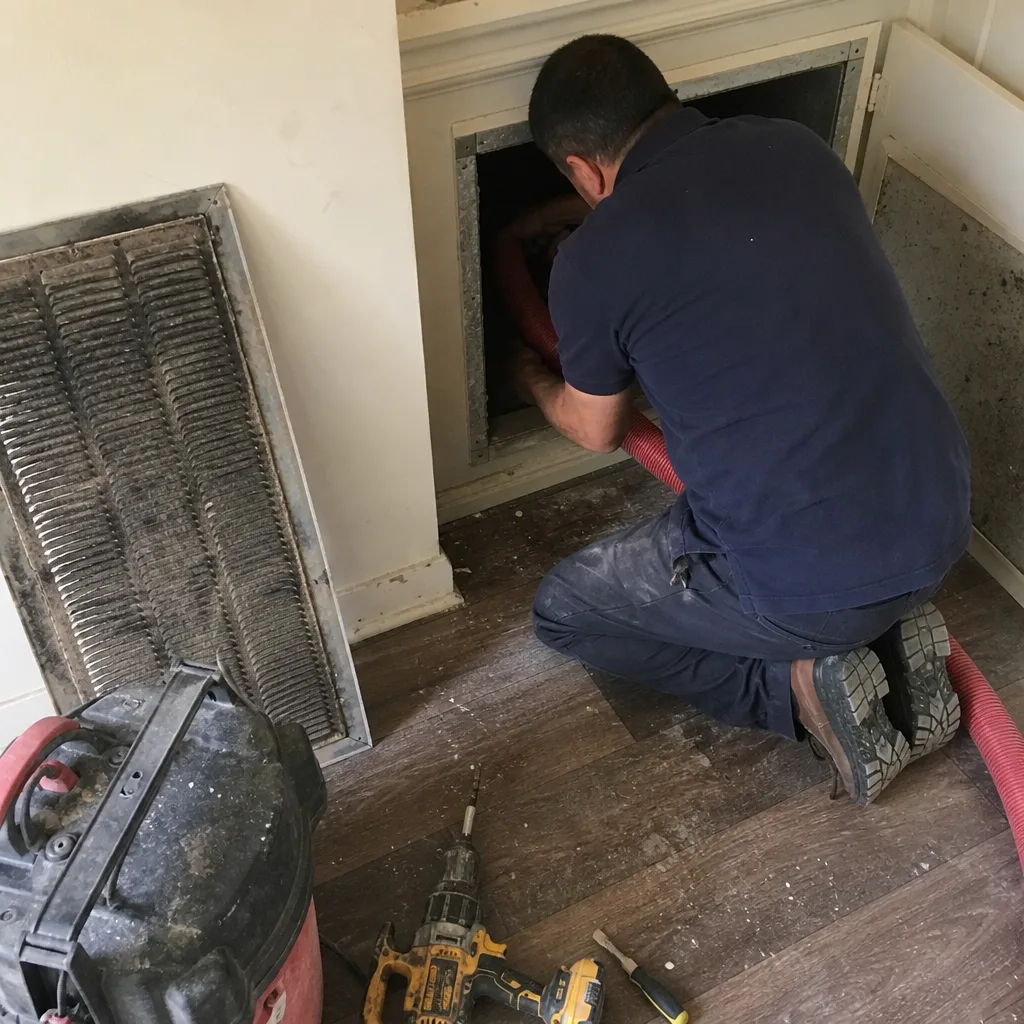 Before
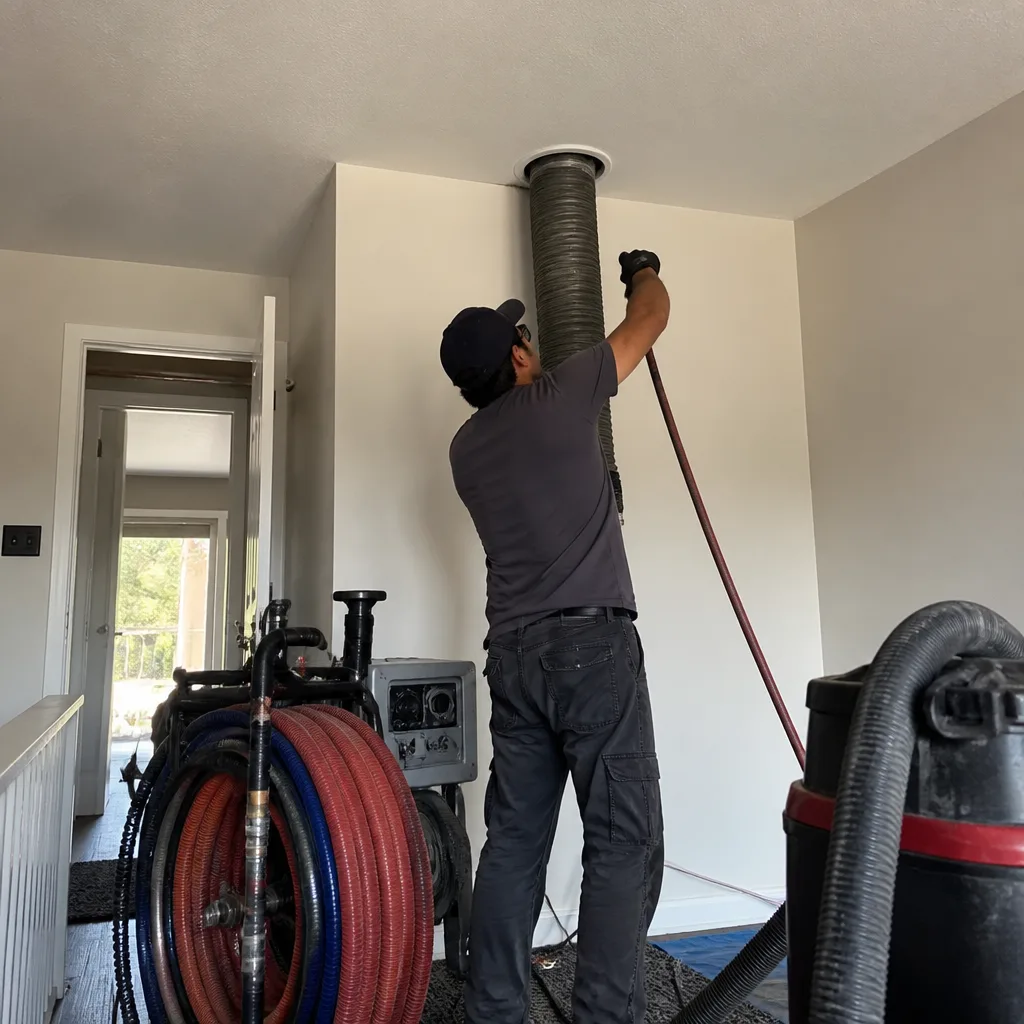 After
After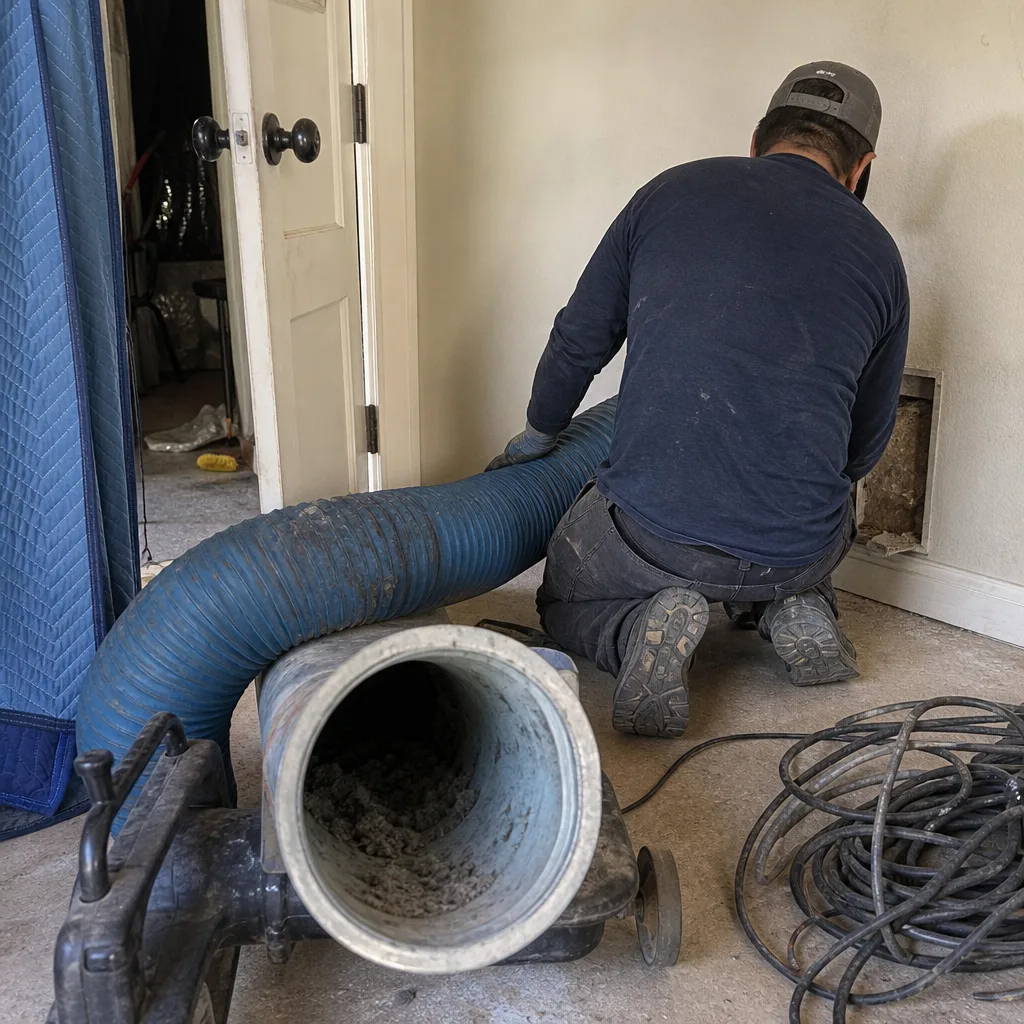 Before
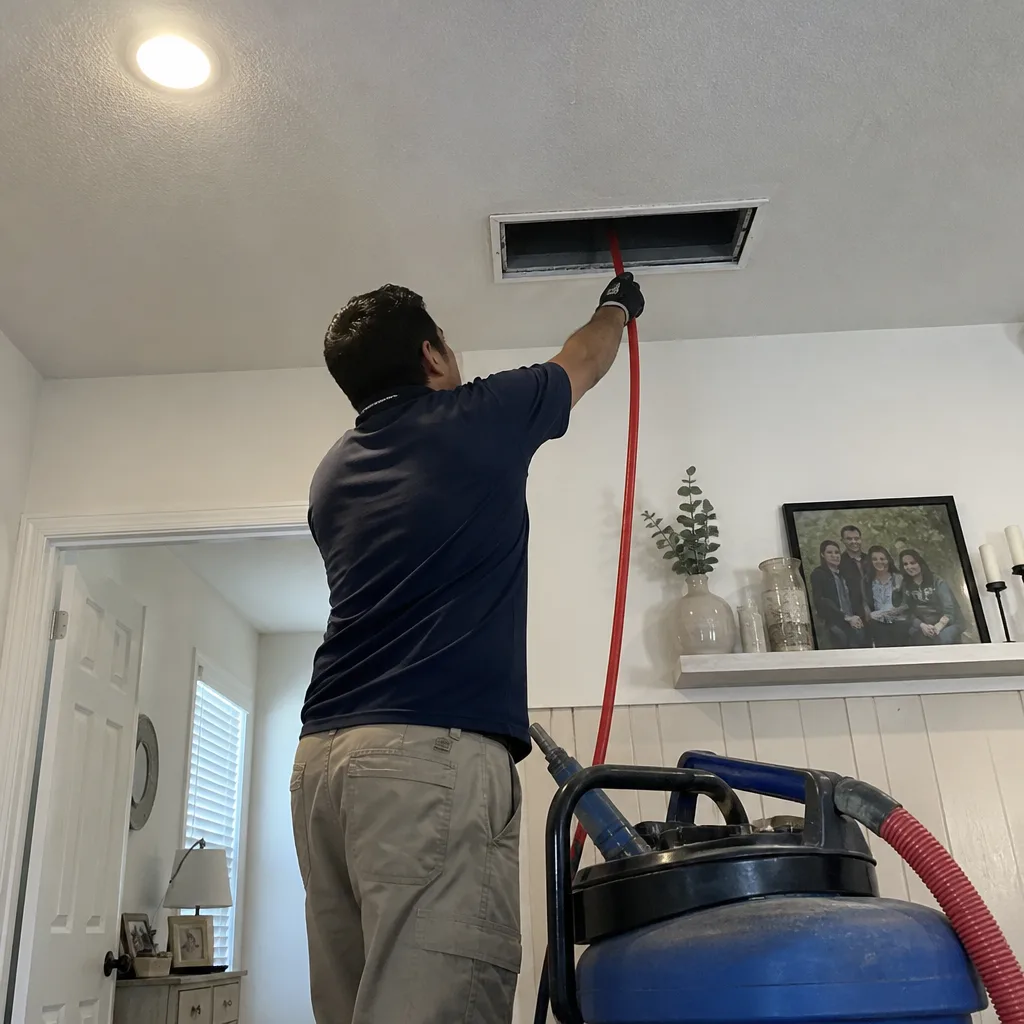 After
After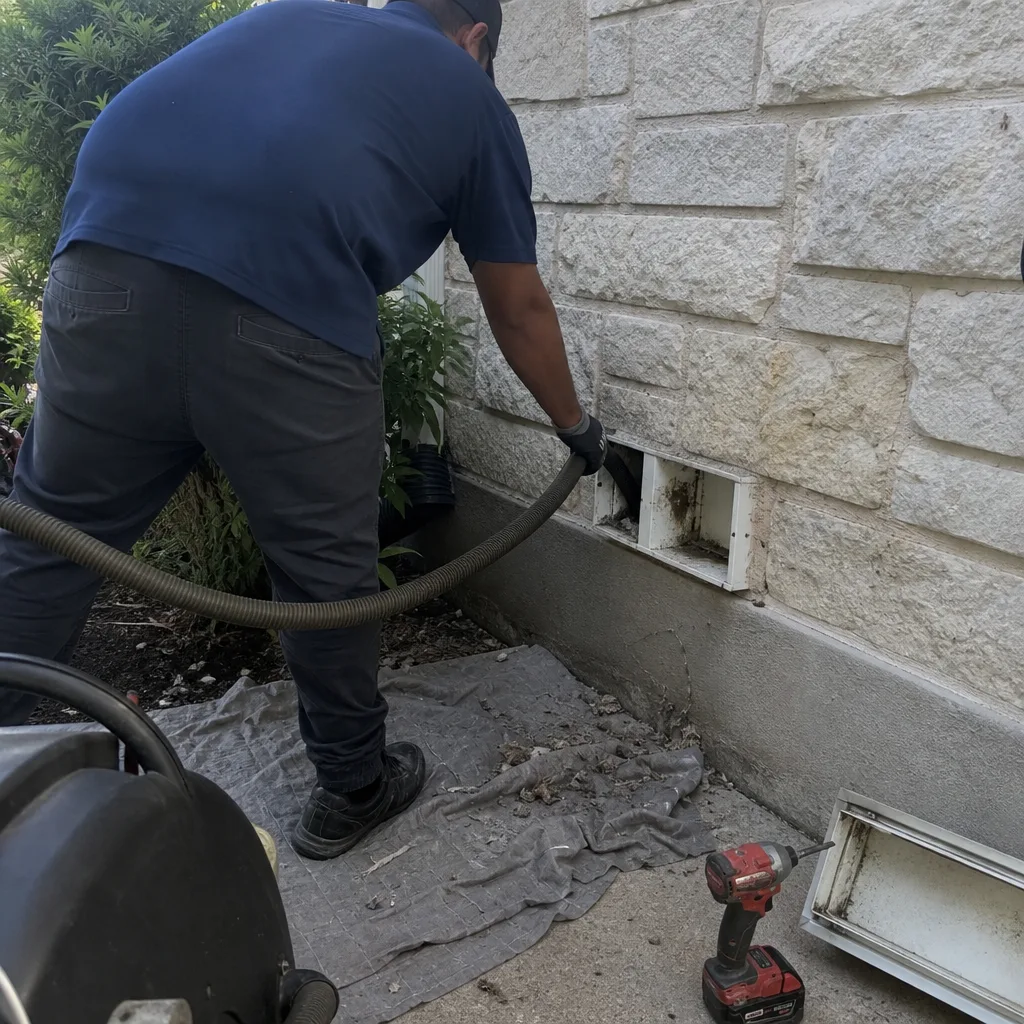 Before
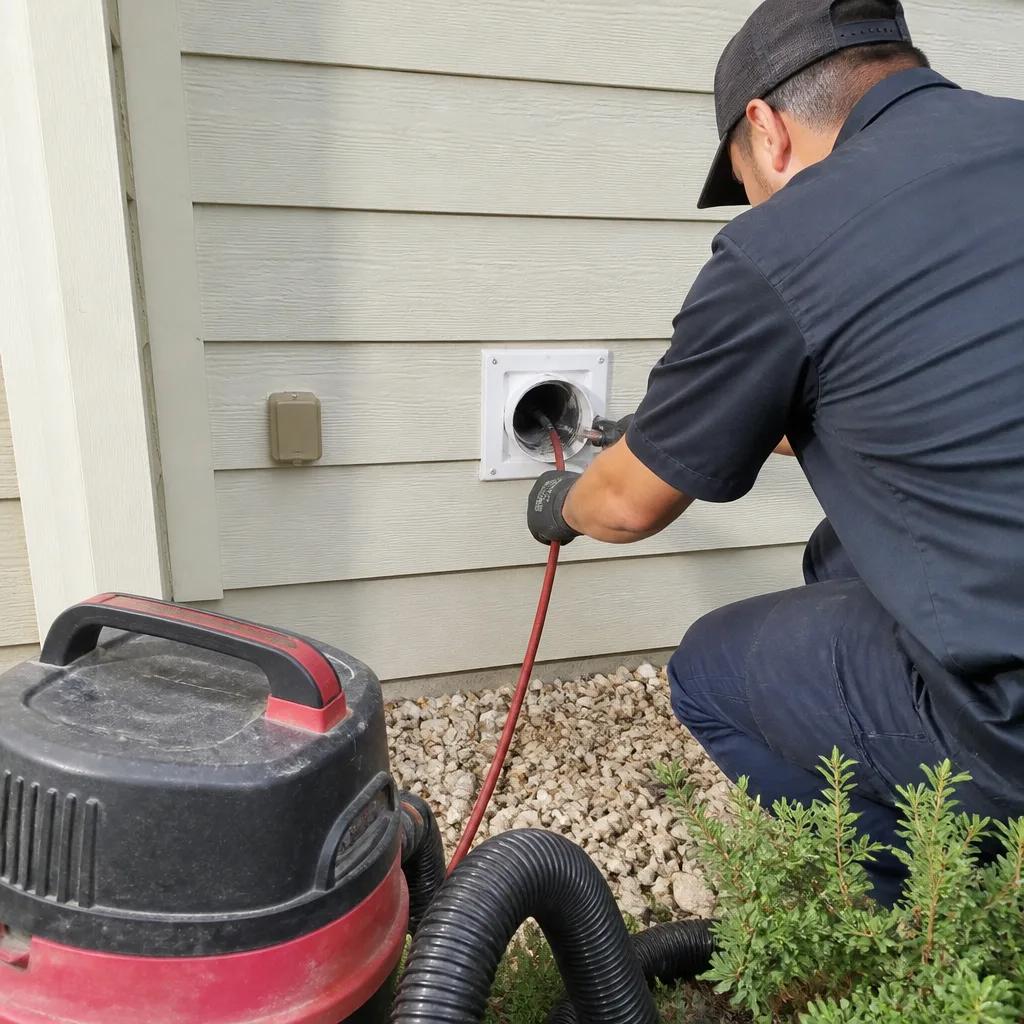 After
AfterFrequently Asked Questions
Most Austin homes fall between $250 and $450 for a complete professional air duct cleaning with negative-air extraction and rotary brush agitation. The exact price depends on the size of the home, the number of supply runs, and whether the returns need extra attention. The price you’re quoted in writing before work begins is the price you pay. Call (254) 848-6913 for a specific quote for your home.
DIY air duct cleaning is worth it if your home is under two years old or if you’re dealing with surface dust near the register from a recent renovation. It’s not worth it if your ducts have accumulated years of debris, if you see mold, or if you want to actually improve your indoor air quality. A DIY kit cleans the first 18 inches. A professional cleaning reaches the entire system. For more guides & resources on maintaining your home’s air quality, explore our blog.
A HEPA shop-vac can remove loose debris from the first foot of duct you can reach through the register opening, but it can’t clean the trunk lines or flex runs that make up the rest of your system. A shop-vac moves about 100 to 150 cubic feet per minute of air. Professional negative-air units move 2,000 to 4,000. The difference in what gets removed is dramatic.
Look at the registers. If you see dust buildup on the grille that returns within days of wiping it, the ducts behind it are holding debris. If you see discoloration on the visible duct walls, that’s an adhered layer that won’t come off with a brush. If your home is over three years old and the ducts have never been cleaned, they need it. Austin’s humidity makes a layer of adhered dust nearly universal in older systems.
Negative-air extraction is a method where a high-powered vacuum unit pulls air out of the duct system while a rotary brush dislodges debris from the duct walls. The “negative” part means the system is under negative pressure, so loosened debris is pulled toward the vacuum rather than blown into the living space. It’s the professional standard for a reason: it works.
Every 3 to 5 years is a reasonable interval for most Austin homes, depending on pets, allergy sensitivity, and whether you’ve done renovation work. Homes with multiple pets or family members with allergies benefit from every 3 years. A newer home with no pets and a high-quality filter can go longer. Call (254) 848-6913 and we’ll help you figure out where your home falls.
The Bottom Line
DIY air duct cleaning in Austin isn’t dangerous, but it’s limited to the visible surface of a much larger system. You can clean register grilles and the first 18 inches of duct. You cannot reach the trunk lines, the flex runs in the attic, or the adhered layer of dust that Austin’s humidity creates. If your home is new or freshly renovated, DIY makes sense. For everyone else, a professional cleaning with negative-air extraction and rotary brush agitation is the only approach that actually removes what’s in your ducts. Kestrel Air Duct Austin is the Austin air duct cleaning company that puts a written price in your hands before work begins and backs each job with the 365-Day Done Right Promise. Read more about our air duct cleaning service in Austin, and if you’re also noticing slow dryer cycles, see our dryer vent cleaning service. Call (254) 848-6913 with any question at all, a real person answers.
Written by Dale Whitmore, Owner at Kestrel Air Duct Austin, serving Austin since 2004.