

Last updated October 15, 2026
 Whole-home duct cleaning
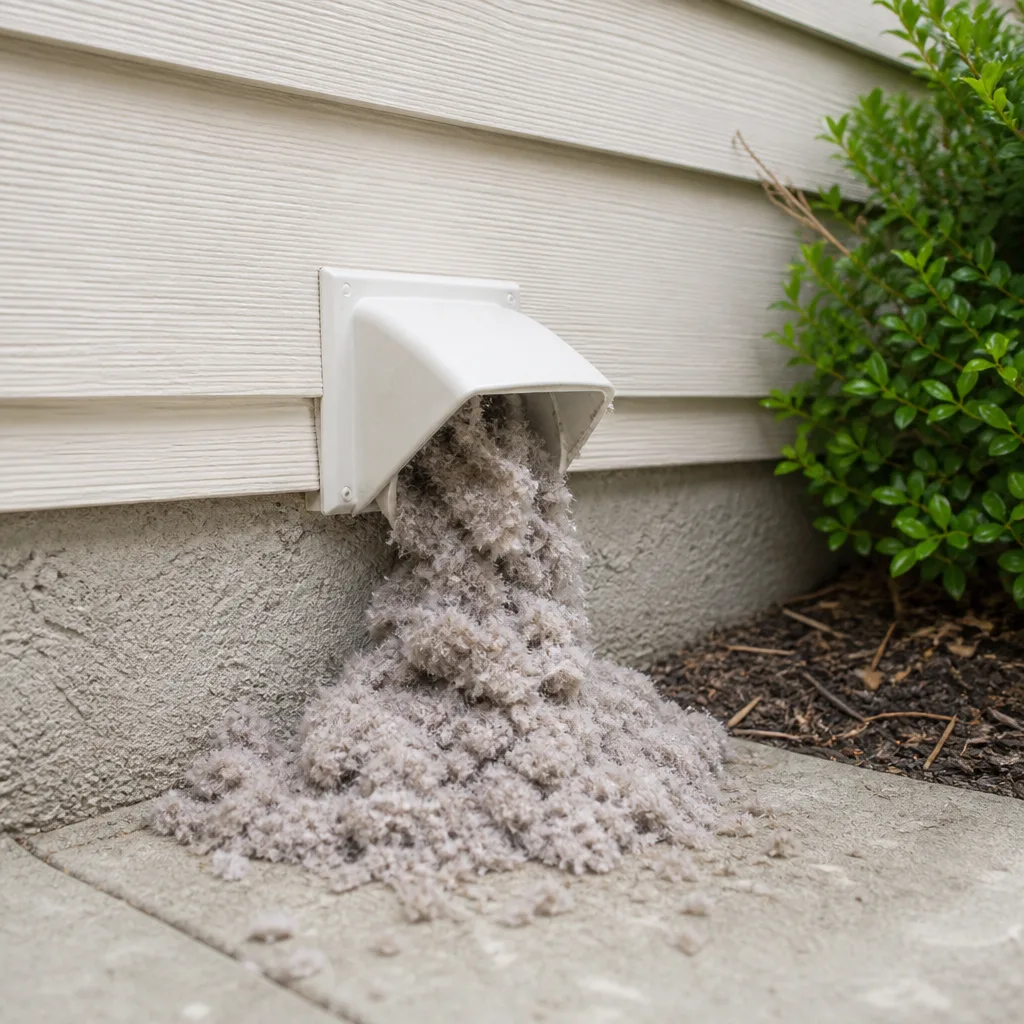 Dryer vent cleaning
 Camera inspection
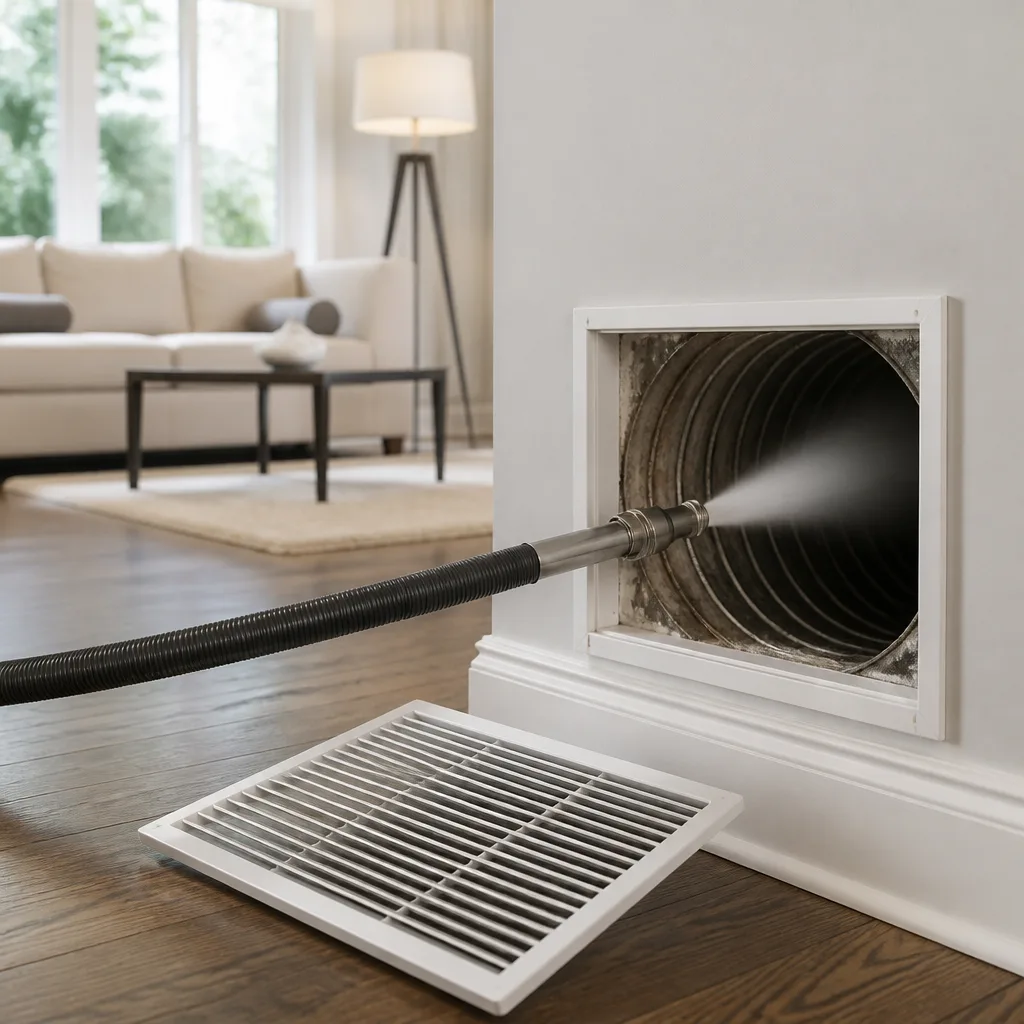 Sanitizing & deodorizing
Whole-system duct and dryer vent check with before-and-after photos - you see exactly what came out of your vents
That "$99 whole-house special" is a bait ad - the real number appears once they are in your hallway, or the "clean" is a shop-vac at the register. We photograph the inside of your ducts before and after instead.
Seasonal Air Duct Cleaning Care for Austin: Year-Round Homeowner’s Guide
Here’s a number most Austin homeowners never hear: the attic above your ceiling can hit 135°F during a July afternoon, and that’s where most of your ductwork lives. The air you breathe inside your home travels through those ducts, which means every season’s debris – cedar pollen in January, construction dust in May, attic heat-baked particulates in August – ends up cycling through your living room. This guide walks you through what accumulates in Austin’s ductwork month by month, what you can handle yourself, and what’s worth a professional’s time. For more guides & resources, see our blog. You’ll learn why timing matters more than frequency, which filters actually block cedar, and how the 2021 freeze created duct problems that are still surfacing in older homes today.
Styles & brands we work with
Quick Answer
In Austin, the highest-value air duct cleaning happens in March through May, before the cooling season forces your system to run for months straight. A professional Air Duct Cleaning services typically costs between $450 and $850 for a standard single-family home, depending on square footage and the number of air returns. The worst time to schedule is mid-June, when peak-season demand is high and months of winter debris have already settled into duct walls.
Table of Contents
- Why Austin’s Climate Makes Duct Cleaning Different
- March Through May: The Pre-Cooling Season Window
- June Through September: What to Do During Peak Cooling Season
- October and November: The Overlooked Shoulder Window
- December Through February: Cedar Pollen and Heating Season
- The 2021 Freeze: Duct Damage Still Showing Up in Austin Homes
- Common Mistakes to Avoid
- When to Call a Professional
- Frequently Asked Questions
- The Bottom Line
Why Austin’s Climate Makes Duct Cleaning Different
Austin doesn’t really have four seasons. Ask anyone who’s lived here more than a year and they’ll tell you the same thing: there’s the long hot stretch from roughly May through October, a few weeks of genuinely pleasant weather in November and March, and a short winter where the real discomfort comes not from cold but from cedar pollen. Each of those phases deposits something different in your ductwork.
During cooling season, your AC runs almost continuously, which means air moves through the ducts constantly. That sounds like it would keep things clean, but the opposite happens. Dust that would otherwise settle on your furniture gets pulled into the returns, and much of it sticks to the moist interior walls of the ductwork. The moisture comes from condensation: cool air moving through ducts in a hot attic creates exactly the kind of damp surface that traps debris. Over a single summer, a typical Austin home’s ducts accumulate a fine layer that’s part household dust, part attic insulation fibers, and part whatever the last construction project kicked up.
Winter brings cedar. Austin’s cedar season typically runs from mid-December through February, and the pollen is fine enough to slip through a standard fiberglass return filter. Once it’s in the duct system, it sits there. When your furnace kicks on – yes, Austin homes do run heat in January – that cedar blows back into your living space for weeks after the outdoor pollen count has dropped. Homeowners who’ve had a professional air duct cleaning in Austin often notice their winter allergy symptoms ease noticeably for this reason alone.
The other factor is construction. Austin has been one of the fastest-growing metros in the country for a decade, and that means dust. New builds tear up limestone, heavy equipment runs for months in undeveloped tracts, and prevailing winds carry fine particulate across neighborhoods from Georgetown to Buda. If your home is anywhere near a development project, your ducts are collecting more than the average share.
March Through May: The Pre-Cooling Season Window
If you’re going to have your ducts cleaned in any given year, this is when to do it. March through May is the highest-value timing in Austin, and the reasoning is straightforward: you’re about to run your AC nearly nonstop for five months, and the air it pushes through your home is the air that’s been sitting in your ducts all winter.
Here’s what has accumulated by March:
- Cedar and early tree pollen pulled into the return ducts during winter heating cycles
- Holiday-season household dust: more indoor gatherings, more cooking, more foot traffic, and your system was circulating all of it in closed-window conditions
- Shed pet dander concentrated from months of indoor living
- Attic insulation fibers that migrate into duct joints and seams during winter temperature swings, which cause expansion and contraction
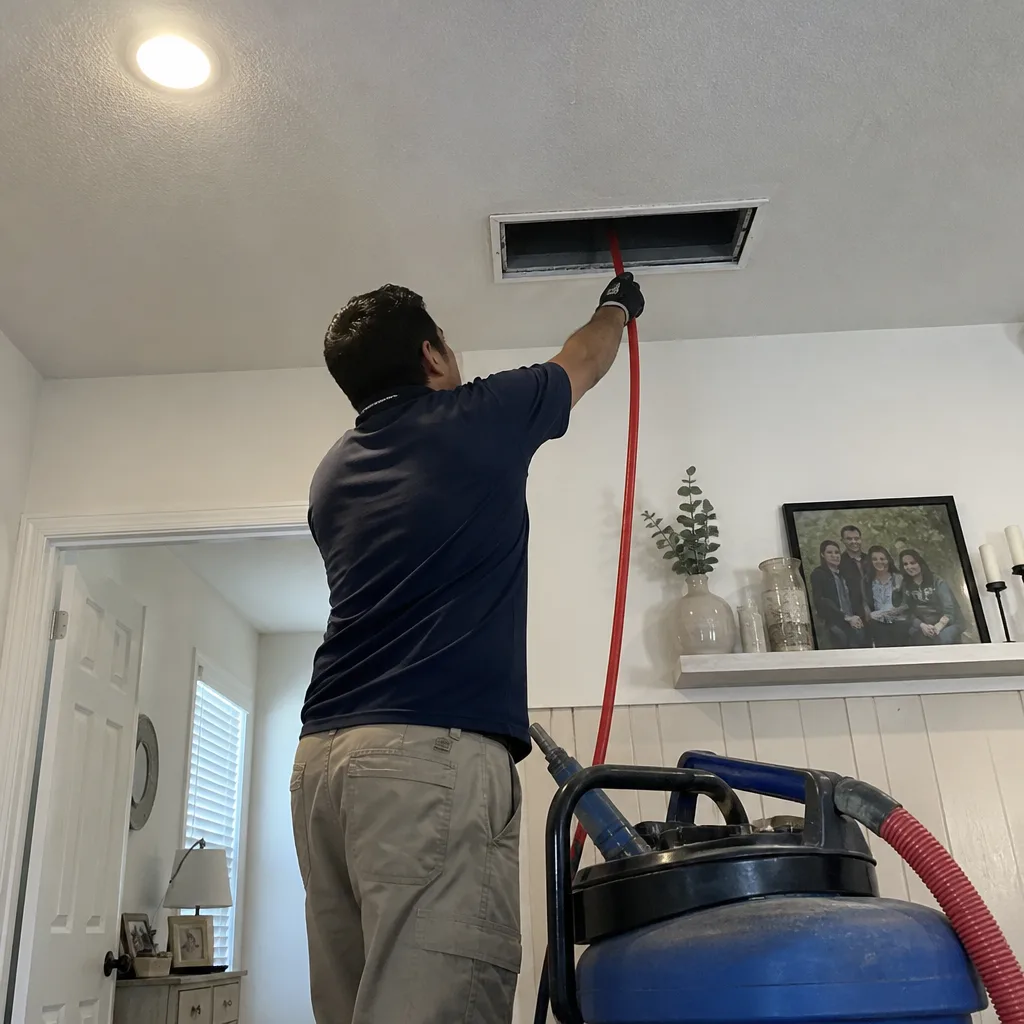
The practical benefit of a March or April cleaning is that you start cooling season with clean duct walls. The system doesn’t have to push air across a layer of accumulated dust, and the air coming out of your registers is what the filter produces, not what the ducts are shedding. Our technicians use Rotobrush rotary brush systems to dislodge debris from the duct walls – think of it as a motorized brush that reaches inside the duct and scrubs, not just a vacuum that sucks whatever’s loose. Then Abatement Technologies HEPA filtration captures the loosened particles so they don’t end up floating around your bedroom. For homes with heavier buildup, Nikro negative-pressure units pull the entire duct system into vacuum, which is the difference between a surface wipe and a deep clean.
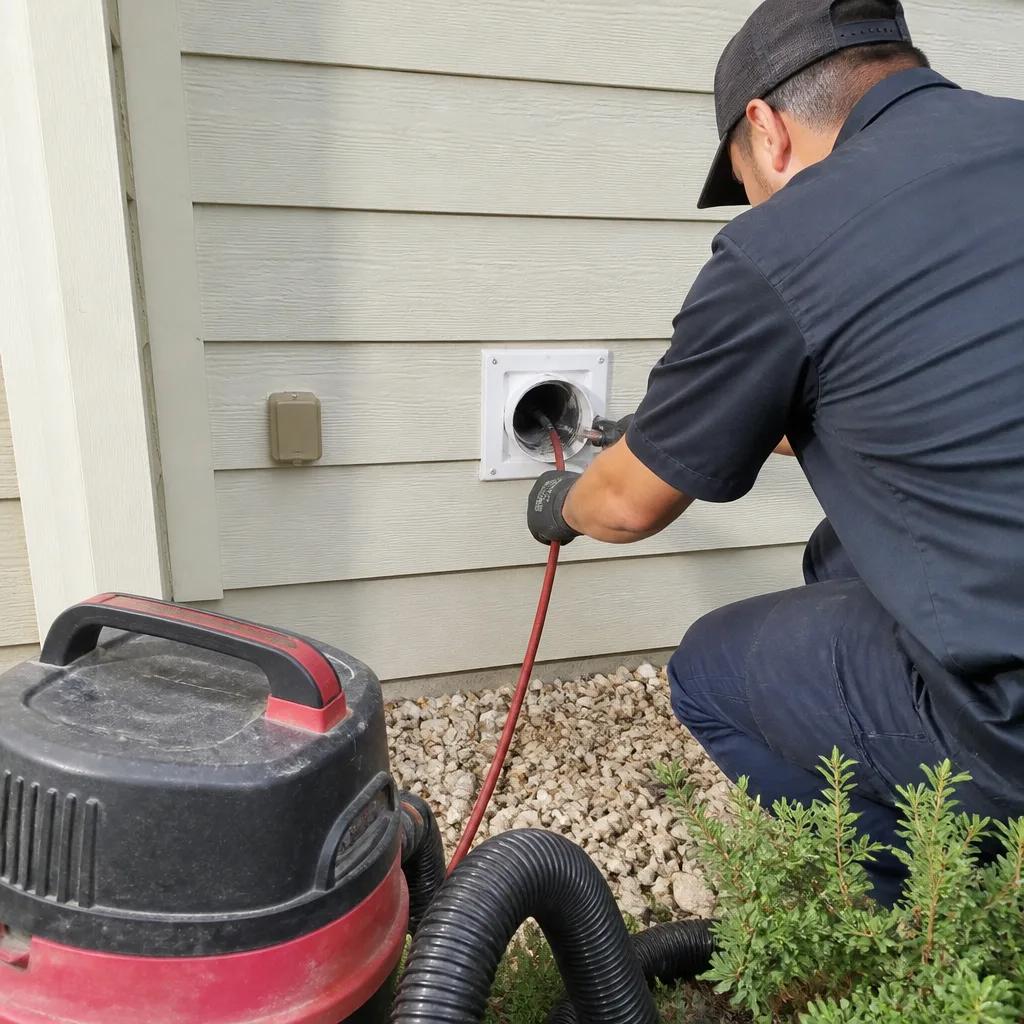
Spring is also when many Austin homeowners schedule dryer vent cleaning as well. This is a separate service from duct cleaning, but it shares the same logic: clear the channel before peak usage. A clogged dryer vent makes your dryer work harder during summer when it’s already fighting ambient heat, and lint buildup is a genuine fire hazard. Austin’s rapid growth has meant more households per neighborhood running dryers more hours per week, and the vents fill faster than they did a decade ago.
June Through September: What to Do During Peak Cooling Season
Professional cleanings slow down in June, but your ducts don’t. Here’s what any Austin homeowner can do between June and September to keep the system as clean as possible without scheduling a visit. Our Air Duct Cleaning Maintenance Checklist for Austin Homeowners covers the full routine.
- Check your return filters every two weeks in July and August. The system is running up to 16 hours a day at peak, which means a MERV 8 filter can clog in two weeks flat. A dirty filter doesn’t just choke airflow; it increases negative pressure, which pulls more attic air in through duct joints and seams.
- Look at your registers once a month. Pull a floor register up and run your finger along the inside edge of the metal boot. If you come away with a visible layer of grime, that’s what the return air is carrying past the filter and into the coil. It signals that dust is bypassing the filter entirely.
- Watch for moisture stains on ceiling registers. When cool air meets a hot attic, condensation forms at the register if the duct has lost its seal. That moisture is a breeding ground for mold and mildew on the register face and in the first few inches of the duct.
- Keep doors open between rooms when the AC is running. Closed doors create pressure imbalances that force the system to pull air from gaps around doors, windows, and duct joints, which draws in attic dust and whatever else is behind the walls.
One thing to understand about summer duct conditions in Austin: the heat itself is a cleaning problem. At 135°F attic temperatures, the interior surface of a flex duct can get warm enough to bake the thin dust layer into something that resists a simple vacuum pass. That’s why we don’t use box-store shop vacs. A real cleaning needs mechanical agitation – a brush that physically scrubs the duct wall – not just suction. If you’ve ever wiped a dusty surface with a dry cloth and watched half the dust smear instead of lift, you understand the principle.
October and November: The Overlooked Shoulder Window
Most homeowners think about duct cleaning in the spring or not at all. The October-November window actually offers a different kind of value: an inspection after the system has just worked harder than it will all year. You can’t get a compression test on an engine that hasn’t been run. Same logic applies here.
By October, your ducts have five months of near-continuous runtime behind them. Any weakness – a separated joint, a torn flex duct, a crushed section from someone storing boxes in the attic – has been stressed and exposed. Even if you don’t schedule a full cleaning in the fall, a quick inspection can identify problems before heating season starts. A separated duct joint in November means every heating cycle in January pulls attic air into the system. Attic air in winter carries insulation fibers, pest activity, and the fine dust that accumulates in unconditioned spaces.
The shoulder window also coincides with Austin’s brief comfortable stretch, which means your system isn’t running constantly. That makes it a good time to do the filter upgrade that will matter in winter. If you had cedar allergies last January, switching from a standard MERV 8 fiberglass filter to a MERV 11 or MERV 13 pleated filter in October means your system has adequate filtration before the pollen arrives. Be aware that higher-MERV filters restrict airflow more than basic ones, so check that your system can handle the upgrade. Most modern Austin homes built after 2005 can accommodate MERV 11 without issue.
The fall is also a good moment to ask: is the air in my home noticeably dustier than it was in spring? If you’re wiping the same horizontal surfaces every three days and finding fresh dust each time, the duct system is almost certainly circulating debris. That’s not a cleaning tip; that’s a diagnostic sign.
December Through February: Cedar Pollen and Heating Season
Ask anyone in Austin when allergy season starts, and you’ll hear the same answer: it never really ends. But December through February is when cedar dominates. The Ashe juniper (mountain cedar) releases pollen from mid-December through the end of January, and in bad years the pollen count in Austin can exceed 10,000 grains per cubic meter. For context, anything over 1,500 is considered very high.
The problem with cedar and ductwork is particle size. Cedar pollen grains are small enough to pass through a standard fiberglass filter, which means your return ducts pull them in during every heating cycle. The pollen settles on duct walls and on the coil, and when the system runs again, it redistributes into your living space. This is why people in Austin can be suffering cedar symptoms weeks after the outdoor count has dropped. The pollen isn’t outside anymore; it’s in the duct system.
What can you do in this season without a professional visit?
- Upgrade to a MERV 11 or MERV 13 filter in early December. This is the single most effective thing a homeowner can do to block cedar before it enters the duct system.
- Run the fan continuously on high-pollen days. Most Austin thermostats have a fan setting that bypasses the heating/cooling cycle. Continuous fan operation keeps air moving through the filter, trapping more pollen that enters the return stream.
- Check and clean the register covers in bedrooms. A visible accumulation on the outside face of a register means pollen is getting through or around the filter entirely.
- Wipe down the return grille itself. The return grille collects dust and pollen on its surface; if it’s caked, it’s re-circulating into the air stream every time the fan runs.
For homeowners who want to keep pollution out of the ducts between professional cleanings, good filtration matters. We carry Honeywell, Aprilaire, and Guardsman filtration products, and for cedar season specifically, a high-MERV pleated filter in a properly sealed housing makes a measurable difference.
December and January are also when attic temperatures tick up during the day and drop sharply at night. That rapid cycling causes flex duct to expand and contract, which can loosen joints and pop tape seals. If you hear a soft whistling sound near a ceiling register during heating season, that’s often a duct joint that has worked itself loose. It’s worth looking into before the cooling season starts again.
The 2021 Freeze: Duct Damage Still Showing Up in Austin Homes
The February 2021 winter storm caused damage that Austin’s duct industry is still seeing in 2025 and 2026. Here’s what happened and why it matters for your ducts now.
When a pipe bursts in an attic, the water doesn’t sit on the ceiling. It runs through the insulation, follows the joists, and pools in the lowest points of the attic floor. Ductwork that runs along or beneath the insulation gets soaked, and once flex duct insulation gets wet, it doesn’t dry out the way you might hope. The outer jacket is designed to be impermeable for a reason: water that gets inside tends to stay inside. Wet insulation loses its R-value, but more importantly, it becomes a home for mold and mildew growth inside the duct’s exterior layers.
Then there’s the attic insulation itself. Many Austin homeowners who filed insurance claims after the freeze had their insulation removed and replaced. That replacement work involved moving materials around in the attic, shifting flex ducts, sometimes compressing them, sometimes disconnecting them entirely and forgetting to reconnect a run to a register. We’ve inspected homes in south Austin and Round Rock where a full supply run was found disconnected from its ceiling boot, blowing conditioned air directly into the attic for what the homeowner estimated was at least three seasons.
The third factor is the freeze-thaw cycle itself. Temperatures during that week dropped into single digits, and then rose into the 70s within days. Materials that have never been tested at those extremes behave unpredictably, and the adhesive tape used on older duct installations from the 2000s doesn’t always survive. We’ve seen tape that looked fine from the outside but had lost all adhesion to the metal boot, leaving the duct connected by gravity alone.
If your home in Austin was built before 2015 and you haven’t had the ductwork inspected since February 2021, there’s a decent chance something is loose, damp, disconnected, or damaged in the attic. A duct inspection during the spring cleaning window covers this: our technicians check every supply run, every return, every joint, and every register boot as part of the Kestrel Air Duct Austin home service standard.
Common Mistakes to Avoid
- Scheduling a cleaning in June. It’s the peak of demand, it puts you at the back of the queue, and it comes after the pre-season window when the work would have mattered more.
- Assuming a new home has clean ducts. New construction leaves drywall dust, sawdust, and debris in the duct runs. Builders don’t clean ducts before closing. If your Austin home was built in the last three years and you’ve never had the ducts cleaned, they’re not clean.
- Running a standard fiberglass filter through cedar season. A MERV 8 filter does almost nothing to stop cedar pollen. If you have allergy symptoms every January, this is the first thing to change.
- Treating duct cleaning and dryer vent cleaning as the same service. They’re separate systems. A clean set of air ducts doesn’t mean your dryer vent is clear, and a clogged dryer vent is a fire risk that most homeowners never check.
- Ignoring register face buildup. If you can see dust caked on the outside of a register, the problem is already happening on the inside. This is a sign that the filter isn’t doing its job.
- Basing duct cleaning decisions solely on price. Austin has a range of providers, and the cheap quote is often cheap because the crew runs a shop vac into the first few feet of the register and calls it done. That’s not cleaning; that’s touching.
- Waiting until symptoms appear. Dust-related allergies, musty smells, or rooms that never quite cool properly are all late-stage signals. The ducts were already dirty for months before you noticed.
When to Call a Professional
Some things you can handle yourself: changing filters, checking register faces, watching for moisture stains, and keeping an eye on the attic when you’re up there. But if you notice visible mold around the registers, a persistent musty smell that gets worse when the fan runs, rooms that can’t hold temperature, or dust accumulating on surfaces within days of a deep clean, the problem is beyond a filter swap. Those are signs of a duct system that needs mechanical cleaning, sealing work, or both. If you’ve just bought a pre-2015 home in Austin and have no record of a prior cleaning, assume it hasn’t been done and start from there. Kestrel Air Duct Austin offers free estimates in Austin – call (254) 848-6913 and we’ll walk the system with you before any work is quoted.
Frequently Asked Questions
For a standard single-family home in Austin, air duct cleaning typically ranges from $450 to $850, depending on the number of air returns, the home’s square footage, and how much buildup is present. Homes with multiple HVAC systems or extensive duct runs can exceed that range. Kestrel Air Duct Austin provides a written price before any work begins, so the number on the quote is the number on the invoice. Call (254) 848-6913 for a free estimate.
The cheapest quotes usually come from providers who don’t do the work the industry standard calls for. A proper cleaning uses mechanical brush agitation to dislodge debris from the duct walls and negative-pressure extraction to pull it out of the system. A cheap operator pushes a vacuum hose into the first few feet of the register and calls that a cleaning. You’re paying less because you’re getting a fraction of the work. Austin has no shortage of low-ball offers; the question to ask is what equipment they’re using and whether the price is for the entire system or just the visible part.
Ask for before-and-after photos of your own ducts. A reputable Austin duct cleaner will have no problem showing you the state of the duct interior before the work and after. We provide this on every job. If a provider can’t or won’t show you what was inside your ducts before and after the cleaning, walk away.
Every five to seven years for most Austin homes is a reasonable interval, but the real answer depends on your household. Homes with pets, homes near active construction, homes with allergy-sensitive residents, and homes that haven’t had a cleaning since before the 2021 freeze may need it sooner. The interval that matters more than years is condition: if the register faces are caked, the returns are pulling dust through a dirty filter, and rooms stay dusty after cleaning, it’s time regardless of the calendar.
It can reduce the amount of pollen circulating in your home, but the bigger difference-maker is filtration. Cedar pollen is small enough to pass through a standard fiberglass filter, and removing accumulated pollen from the ducts is one step. Adding a MERV 11 or MERV 13 filter in early December is the other step. Together, they mean the pollen that enters the returns gets trapped at the filter instead of blowing into your living room.
You can clean ducts any time of year in Austin, but the work is most valuable before the cooling season starts. A June cleaning still vacuum-removes debris, but you’ve already cycled five months of winter dust through the living space. Think of it like getting new tires in the rain: possible, but the benefit is reduced. March through May is the window that makes the most sense for most Austin homeowners.
The Bottom Line
Duct cleaning isn’t a one-size-fits-all service with a single correct season. Austin’s climate gives you three real windows: spring for pre-cooling-season value, fall for post-summer inspection, and winter for filter upgrades that block cedar before it ever reaches the ducts. The consistent theme is that waiting until a problem announces itself means you’ve already been breathing the problem for months. If you’re in an older Austin home, particularly one that lived through the 2021 freeze, an inspection is overdue. The condition of your ductwork is a knowable thing, and knowing beats guessing.
Written by Dale Whitmore, Owner at Kestrel Air Duct Austin, serving Austin since 2004.
See the difference
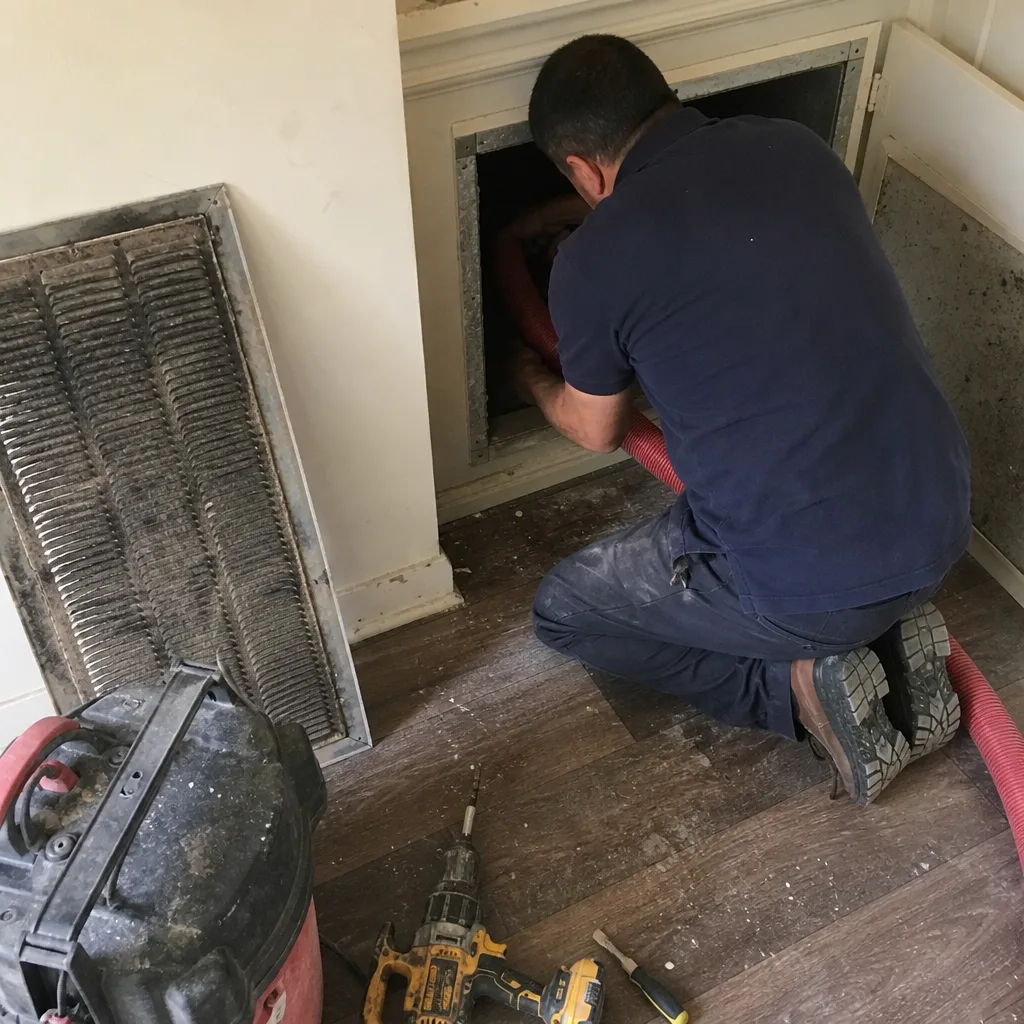 Before
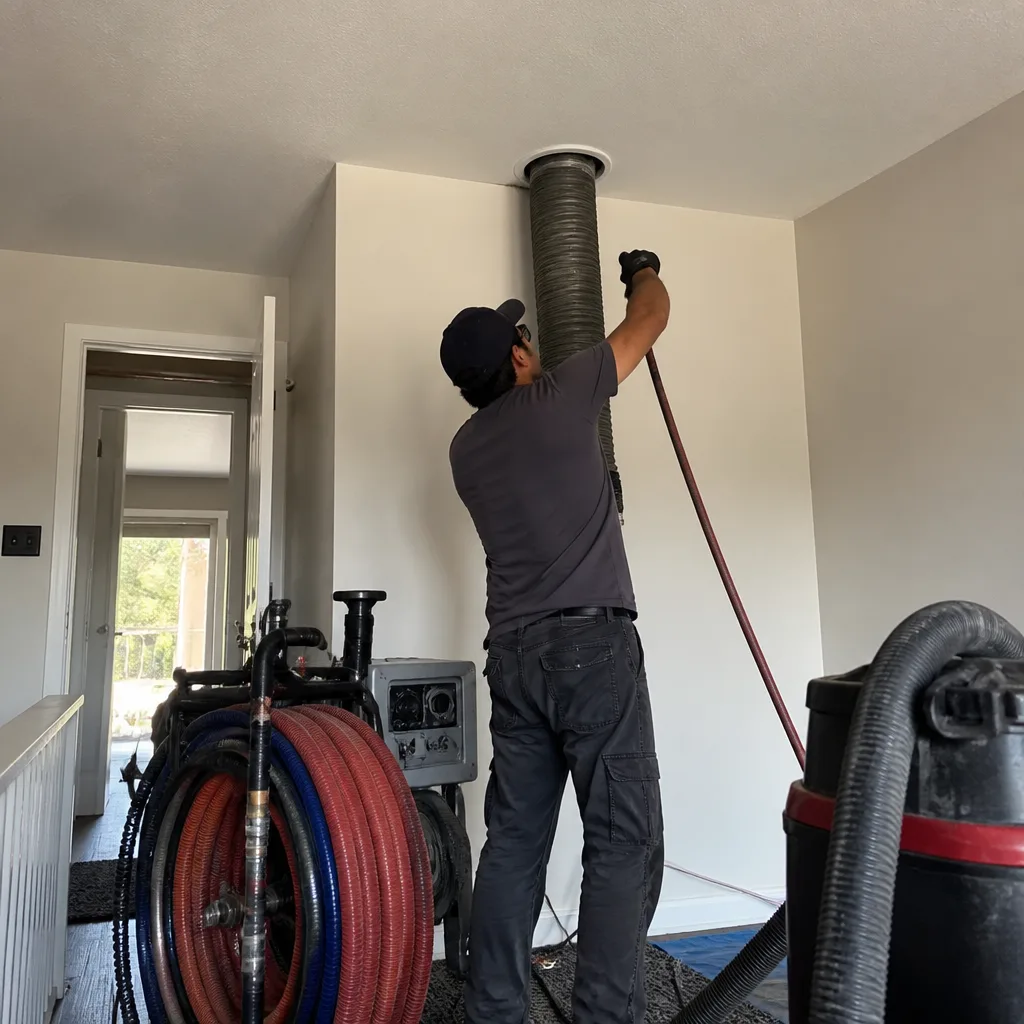 After
After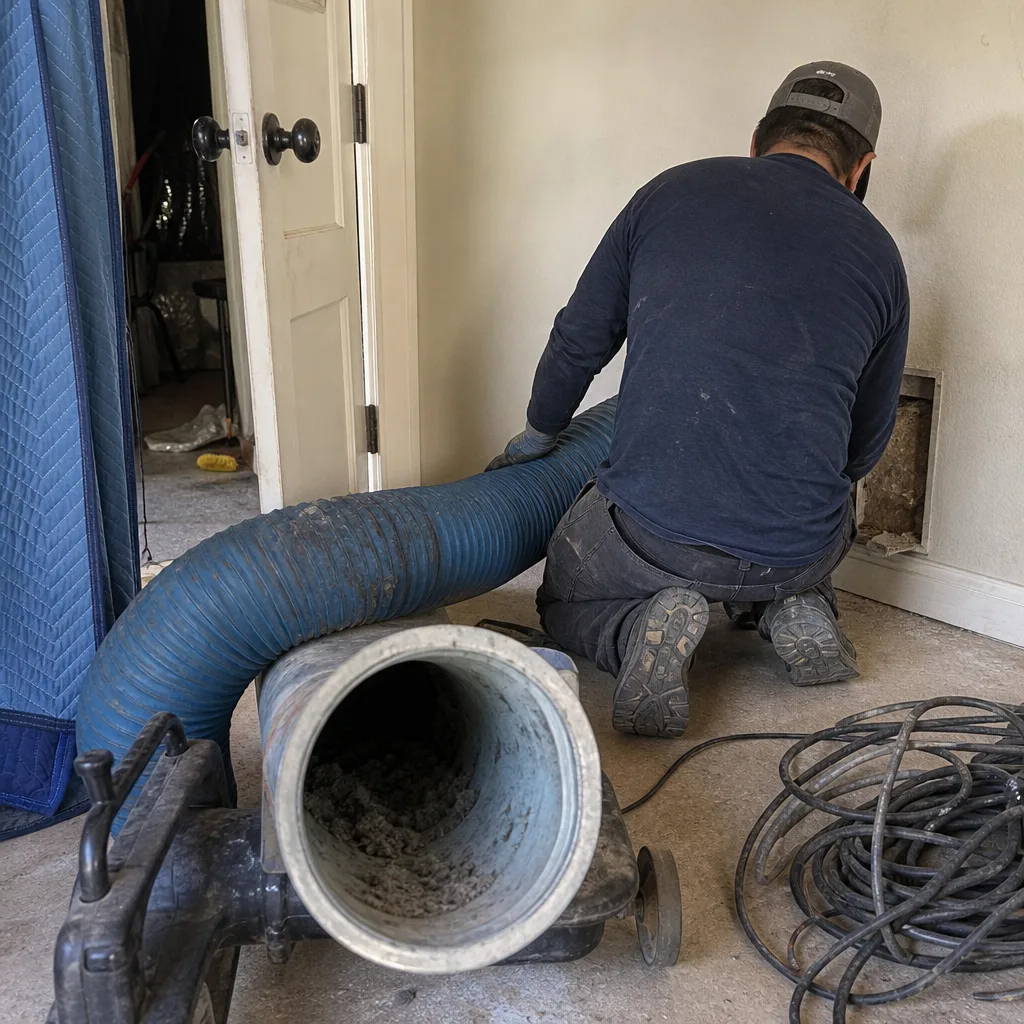 Before
 After
After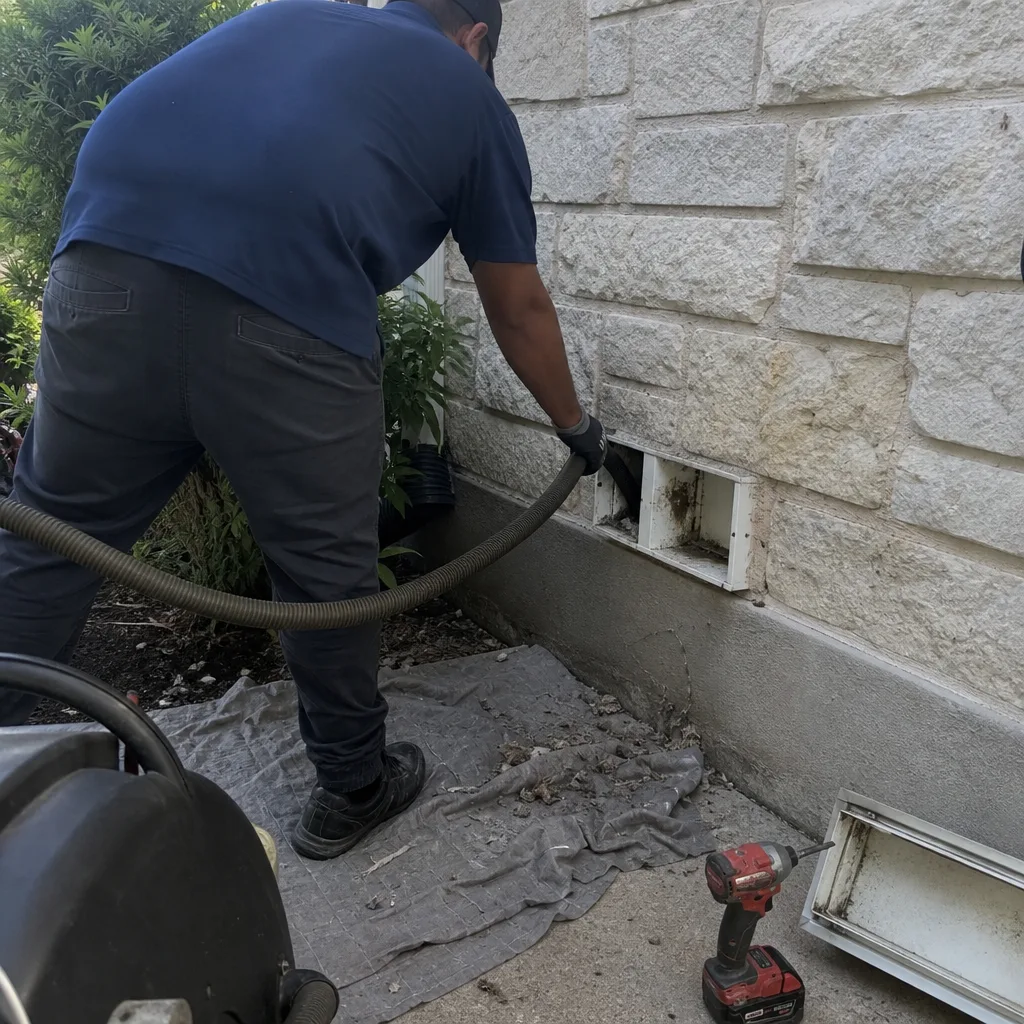 Before
 After
After