

Last updated October 15, 2026
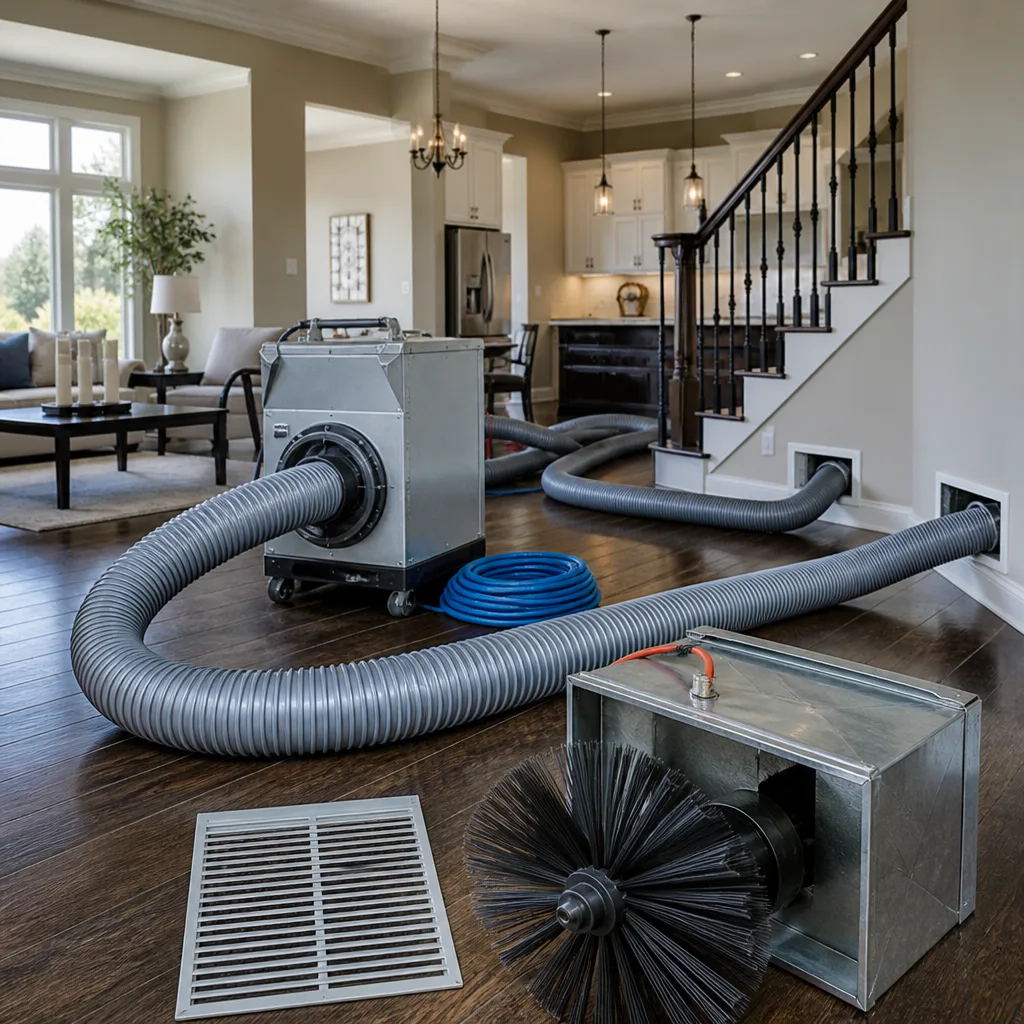 Whole-home duct cleaning
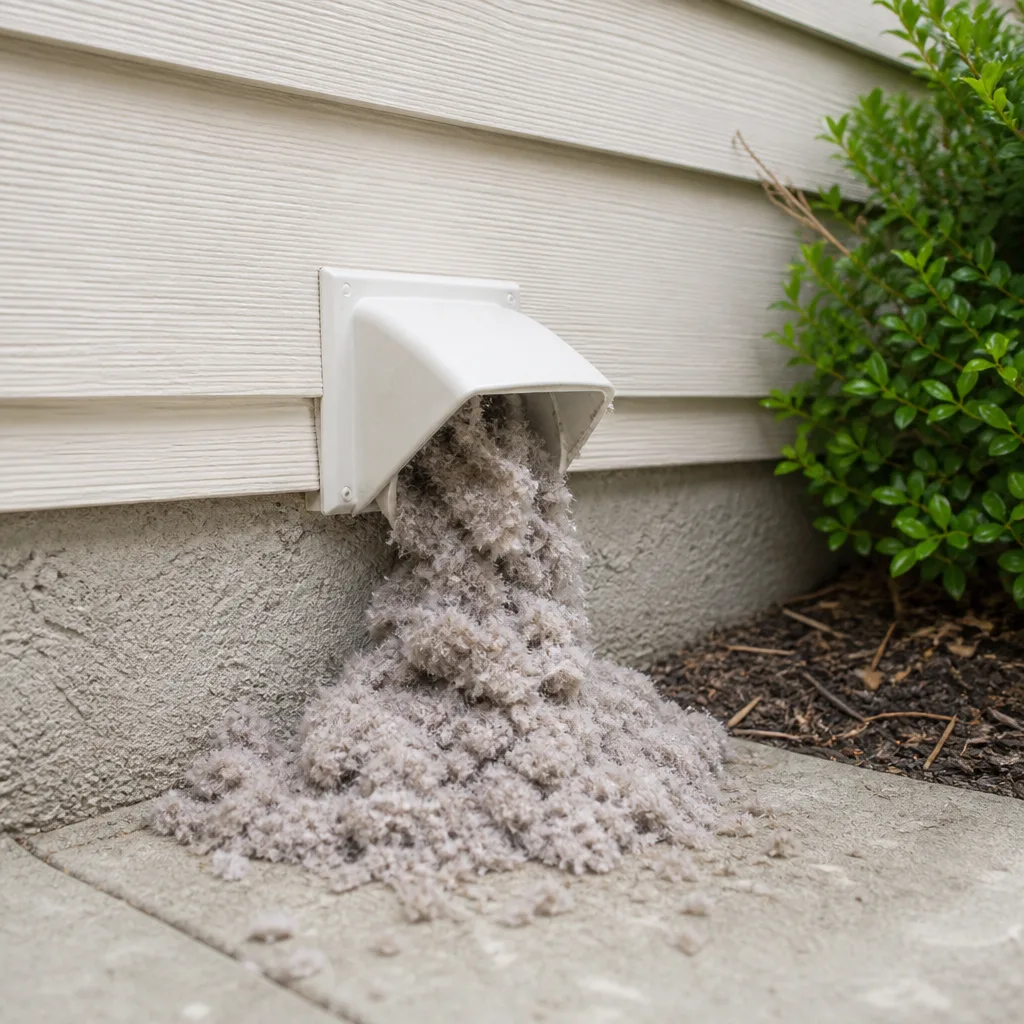 Dryer vent cleaning
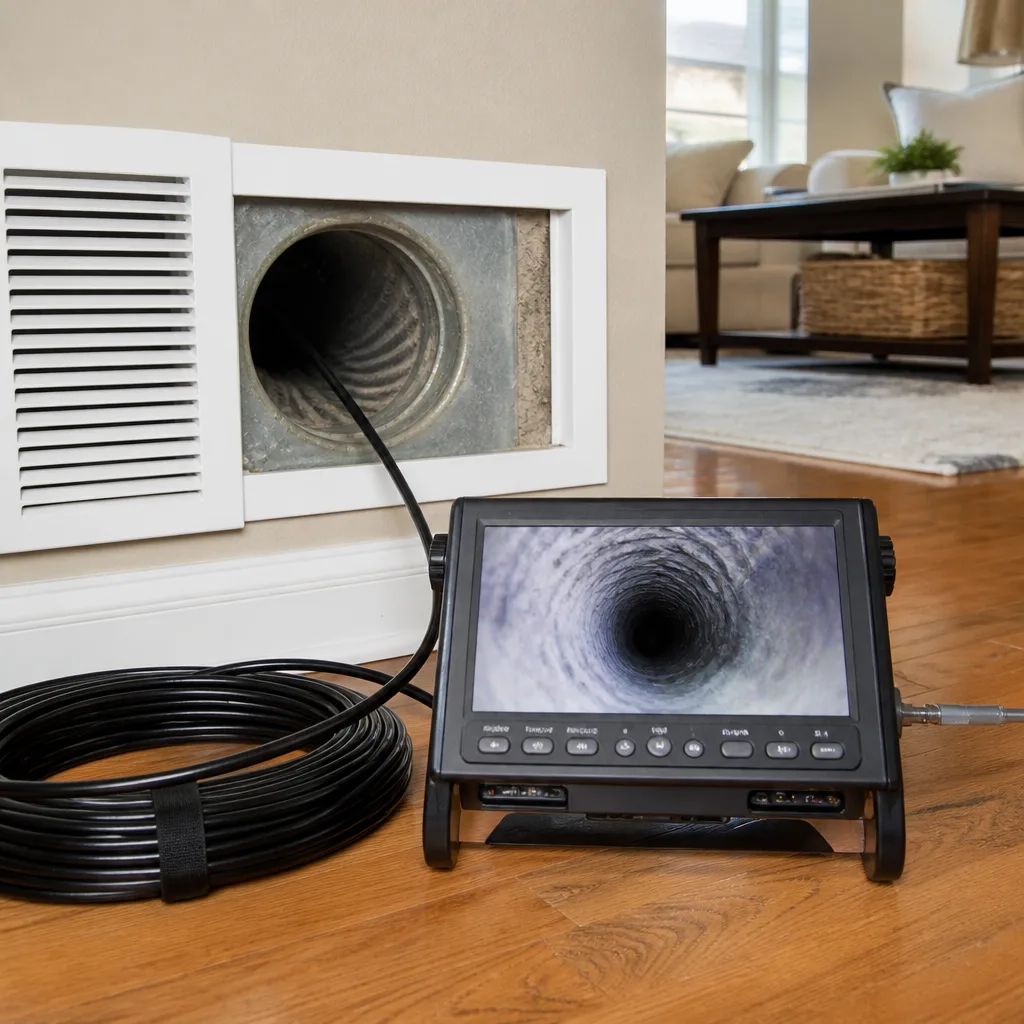 Camera inspection
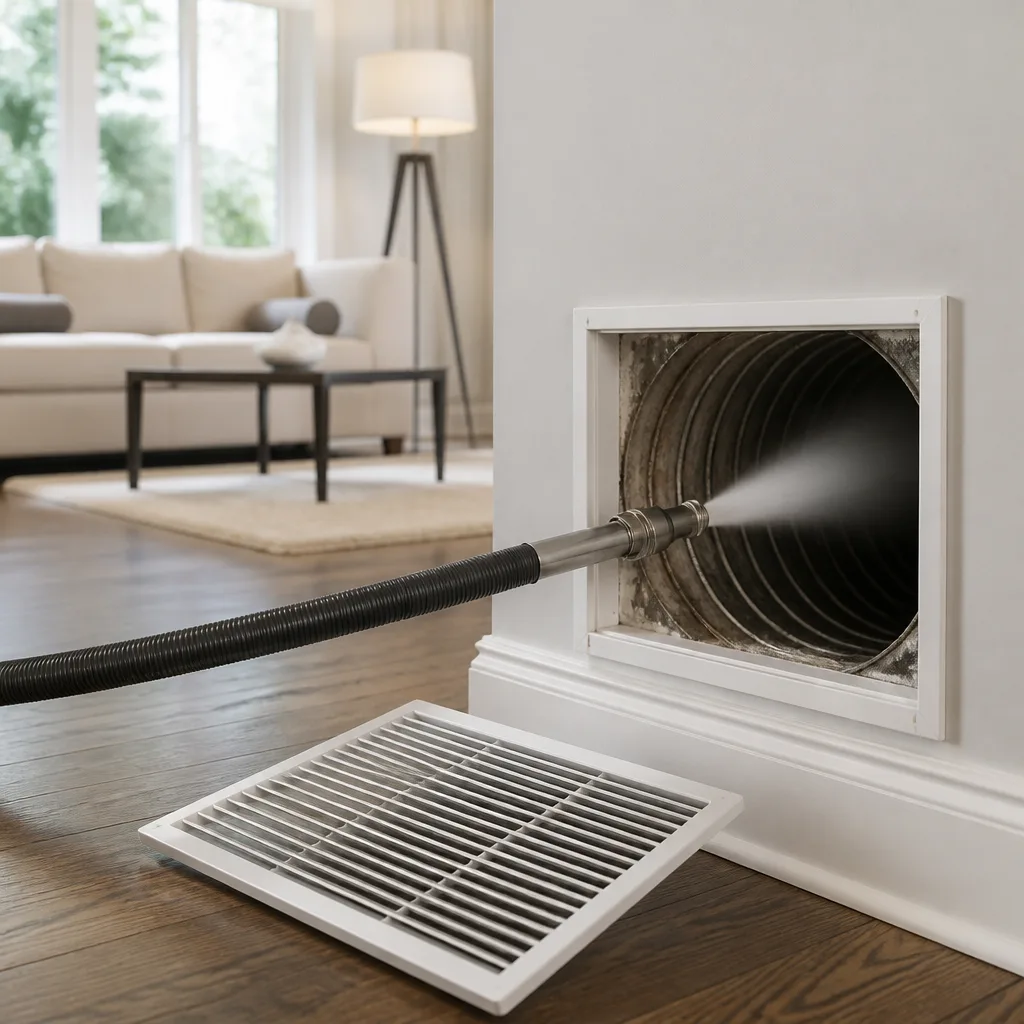 Sanitizing & deodorizing
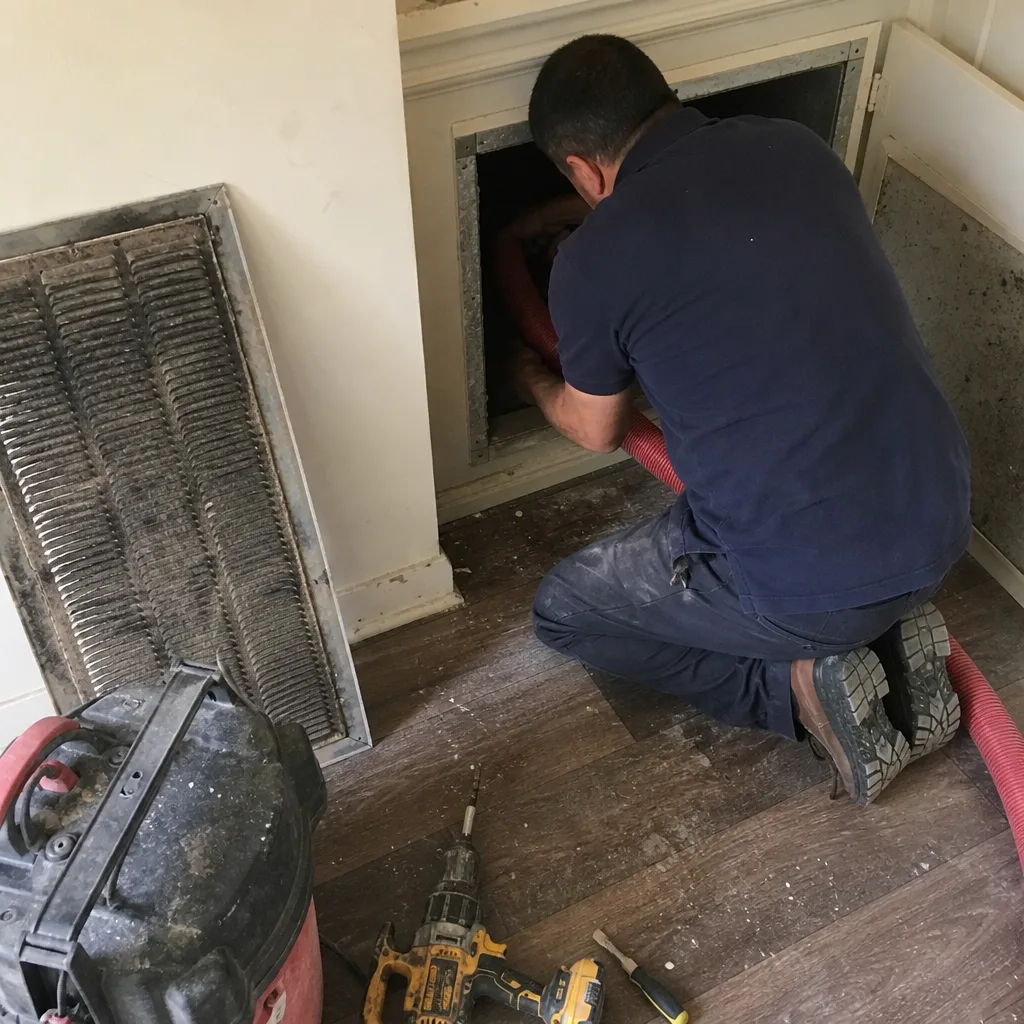
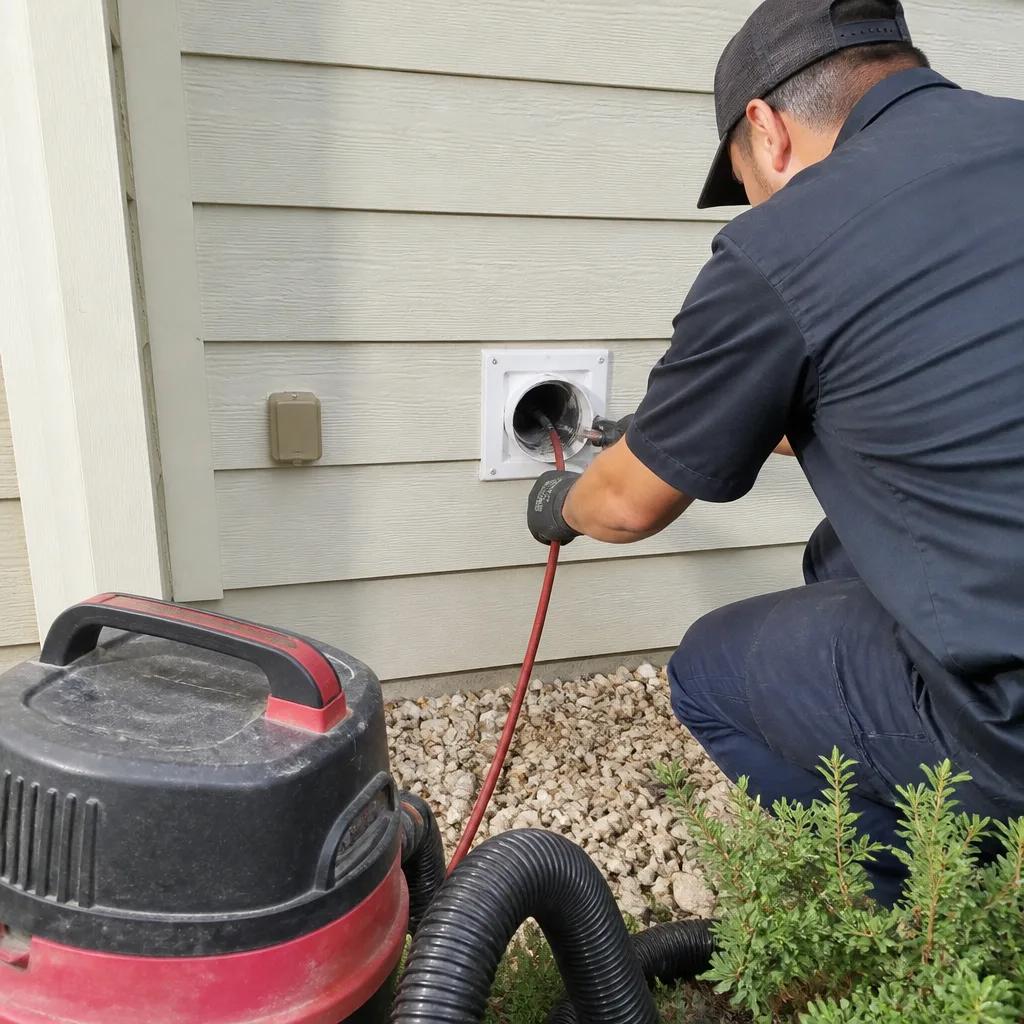
Whole-system duct and dryer vent check with before-and-after photos - you see exactly what came out of your vents
That "$99 whole-house special" is a bait ad - the real number appears once they are in your hallway, or the "clean" is a shop-vac at the register. We photograph the inside of your ducts before and after instead.
Air Duct Cleaning Warning Signs: A Austin Homeowner’s Reference Guide
Here’s something that surprises most Austin homeowners: a dust ring around a supply register is almost never a sign that the duct needs cleaning. It usually means the filter bypass is the problem, and a $200 cleaning won’t fix it. This guide exists because the air duct cleaning industry is full of companies that will happily sell you our Air Duct Cleaning services your home doesn’t need. By the time you finish reading, you’ll know exactly which warning signs point to a real duct problem in Austin, which ones point elsewhere, and when it’s actually time to pick up the phone.
We’ve spent two decades inside Austin attics and crawl spaces, and what we’ve learned is this: the warning signs homeowners call us about fall into clear patterns. Some are urgent. Some are not. Some aren’t duct problems at all. This reference guide connects each symptom to its cause so you can decide, with confidence, whether you need a cleaning, a repair, a different service, or just a new filter.
Quick Answer
The most reliable air duct cleaning warning signs for Austin homeowners are: visible mold growth inside ductwork or on register grilles, musty odors that return within days of filter changes, dust accumulation on registers within weeks of cleaning, uneven room temperatures that persist across seasons, and unexplained increases in energy bills alongside worsening allergies. If you’re seeing heavy dust return quickly or smelling something damp after rain, you likely have a duct issue worth evaluating. A filter change alone won’t fix these conditions.
Styles & brands we work with
Table of Contents
- The Dust Ring Around a Register: What It Actually Means
- The “Musty After Rain” Smell Decoded: Three Locations, Three Meanings
- Uneven Room Temperatures: Duct Restriction or Duct Leakage?
- Visible Mold at a Register Grille: What It Tells You and What It Doesn’t
- Flex Duct in the Attic: Collapse, Disconnection, and Why Cleaning Won’t Help Until It’s Fixed
- The 10-Minute Homeowner Sniff-and-Look Protocol
- The Quiet Signs: Closing Doors, Whistling Registers, and Other Clues You’re Ignoring
- Common Mistakes to Avoid
- When to Call a Professional
- Frequently Asked Questions
The Dust Ring Around a Register: What It Actually Means
A dark ring of dust around a supply register is one of the most common complaints we hear from Austin homeowners. The assumption is that the ducts are dirty and that dust is being pushed out into the room. The reality is usually the opposite, and understanding the difference will save you from buying a service you don’t need.
When dust builds up around the outside of a supply register, it’s almost always a sign of filter bypass, not dirty ductwork. Here’s what happens: if the filter doesn’t seal properly in its slot, or if the filter is the wrong size, air takes the path of least resistance. It slips around the edges of the filter instead of going through it. That unfiltered air carries whatever is floating in your home, and when it exits the register, the dust settles on the wall or ceiling around the grille.
If the ducts themselves were the source, you’d see dust being blown into the room in a pattern, and you’d likely see dust on surfaces throughout the room, not just around the register. A clean room with dust only at the register points to bypass, and the fix is a properly sized filter that seals tightly. That’s a $15 solution, not a $400 cleaning.
That said, there’s a second scenario worth knowing. If you have a dust ring around a return register, especially one in a hallway, that’s often just normal accumulation in a high-traffic area. Return registers pull air in, so they act like a vacuum. Dust collects there naturally, and it’s a sign your filter is doing its job, trapping particles before they re-enter the system. Cleaning those grilles with a damp cloth is a monthly maintenance task, not evidence of a duct problem. In our Kestrel Air Duct Austin home service area, we see this confusion constantly, and it’s one of the first things we ask about on a call.
The “Musty After Rain” Smell Decoded: Three Locations, Three Meanings
In Austin, a musty smell that appears after rain is one of the most misread signals a homeowner can encounter. The smell itself tells you something is damp. The location of the smell tells you where the problem is, and the location changes the fix entirely. Here’s how to decode it.
If the smell comes from the registers: This is the classic sign of moisture inside the duct system. When warm, humid Austin air meets the cold metal of your air handler or the inside of your ducts, condensation forms. If that condensation doesn’t drain or dry properly, it breeds mold and mildew inside the system. You’ll notice the smell strongest when the AC first kicks on, then it fades as the air moves. This is a duct condition that needs a professional evaluation. The answer is likely a combination of cleaning and finding the source of the moisture, which could be a clogged condensation drain line, a missing duct insulation wrap, or a leak in the duct itself.
If the smell comes from the air handler cabinet: The air handler, usually in a closet, attic, or garage in Austin homes, has a condensation pan underneath the evaporator coil. That pan catches water, and if the drain line is clogged, the pan overflows or holds standing water. Standing water in a warm Austin attic grows biological material quickly. The smell is usually strongest near the unit itself, and you may see water stains or actual standing water. This is a maintenance emergency, not a duct cleaning problem. The fix is clearing the drain line, often with a simple wet-dry vac and some bleach water, and then treating the pan. If the problem has gone on long enough, the coil itself may have biological growth, and that’s when a professional cleaning of the coil and surrounding ductwork is warranted.
If the smell comes from the attic itself: Many Austin homes have HVAC equipment and ductwork in the attic, and an attic smell that seeps into the living space is often misattributed to the ducts. If the attic has a roof leak, inadequate ventilation, or a bathroom exhaust fan that vents into the attic instead of outside (a common code violation in older Austin homes), the attic air becomes damp and musty. That air gets pulled into the house through ceiling penetrations, recessed lights, and the ductwork itself. The fix here is an attic repair and ventilation correction. Cleaning the ducts without fixing the attic source means the smell returns within weeks.
Uneven Room Temperatures: Duct Restriction or Duct Leakage?
Austin summers are brutal, and when one bedroom is 78 degrees while the living room holds at 72, something is wrong. The question is whether the problem is inside the duct or outside it. Here’s how to tell the difference without any equipment.
First, understand the two main failure modes. A duct restriction means something is blocking airflow inside the duct: crushed flex duct, a damper that’s been closed or fallen shut, a disconnected duct that’s collapsed into itself, or a massive buildup of debris. A duct leakage means the duct has a hole, a separated joint, or a tear, and conditioned air is escaping into the attic or crawl space before it ever reaches the room.
The test that separates the two is simple. Go to the register in the uncomfortable room and feel the airflow with your hand. If the airflow feels weak compared to other rooms, you’re dealing with a restriction or a blockage. If the airflow feels strong but the air isn’t cold, or if the room never reaches temperature despite good airflow, you’re likely dealing with leakage. Leaking ducts pull hot attic air into the system, so the air coming out is warmer than it should be, or the conditioned air is leaking out before it reaches you.
There’s a second signal: pressure. In a home with significant duct leakage, you’ll often notice doors that slam shut on their own or that feel heavy to open when the AC is running. Leaking ducts change the pressure balance in the home, and that pressure differential shows up at interior doors. In Austin’s older homes, especially those built before 1990, duct leakage rates of 20-30% are common, and that’s not a cleaning problem. That’s a sealing and repair problem. If you’re feeling weak airflow specifically, and you’ve checked the filter and the register damper, there’s a good chance you have a crushed or disconnected flex duct in the attic, which we’ll cover in detail below.
Visible Mold at a Register Grille: What It Tells You and What It Doesn’t
When a homeowner sees mold on a register grille, the immediate assumption is that the entire duct system is contaminated. That’s often not the case, and it’s important to understand the difference between what you’re seeing and what might be hiding.
Mold on the outside of a register grille, in the room, is usually a surface condition. It grows because condensation forms on that grille. This happens when cold air meets the warm, humid air of the room, and it’s most common in bathrooms, kitchens, and rooms with poor airflow. In Austin, where summer humidity regularly sits above 60%, grille condensation is a fixture of many homes. The fix is often as simple as cleaning the grille with a mild bleach solution, improving airflow into the room, and possibly replacing the grille with one that has better insulation properties. The ducts behind that grille may be perfectly clean.
Mold inside the duct is a different situation. You can’t see it from the register. You see signs of it: a persistent musty smell from the registers, visible dust or dark staining on the inside of the duct opening when you remove the grille and look in with a flashlight, or recurring allergy symptoms that improve when you leave the home. This is where inspection matters. Surface mold at the register tells you about condensation at that location. It doesn’t tell you what’s happening 20 feet down the duct.
The inspection method differs because the question is different. For grille mold, you’re asking: is there condensation, and how can I stop it? For duct mold, you’re asking: is there moisture inside the system, where is it coming from, and how far has the contamination spread? That second question requires looking inside the duct, typically with a camera or a physical inspection at the air handler and at register openings. If you see dark staining inside the duct when you shine a light down the first few inches, that’s a signal worth a professional evaluation. Kestrel Air Duct Austin has seen enough of these to know that what’s visible at the register is rarely the whole story.
Flex Duct in the Attic: Collapse, Disconnection, and Why Cleaning Won’t Help Until It’s Fixed
If your Austin home was built in the last 30 years, chances are high that your ductwork is made of flex duct: a wire coil wrapped in insulation with a plastic liner on the inside. It’s inexpensive and easy to install, which makes it popular with builders. It’s also prone to specific failures that are invisible unless you know what to look for in the attic.
A disconnected flex duct is one of the most common problems we find in Austin attics. The duct separates from the register boot or the plenum, usually because the zip tie or tape used during installation has failed. When that happens, that duct is blowing conditioned air directly into the attic instead of into the room it serves. The room it served gets weak airflow. The attic gets cold. And in an Austin summer, a 140-degree attic pulling in 60-degree air is a recipe for condensation, which leads to mold on the duct insulation and the surrounding framing. That’s a repair, not a cleaning.
A collapsed or crushed flex duct is the second failure mode. Flex duct sags between supports, and over time, the inner liner can separate from the insulation and collapse inward, choking off airflow. In an Austin attic, heat accelerates this process. The plastic liner becomes brittle, and the combination of heat and gravity does the rest. A crushed duct can reduce airflow by 50% or more, and to the homeowner, the symptom looks like an undersized system: a room that won’t cool, a system that runs constantly, and a bill that climbs.
The critical point here is that cleaning won’t fix a collapsed or disconnected duct. You can clean the inside of a crushed duct all day, and the air still won’t move. The repair has to happen first. A qualified technician can inspect the attic, find the failure, and repair or replace the damaged duct. Only then does cleaning make sense, because a repaired duct can actually deliver the air your system is producing. On a typical air duct cleaning in Austin job, our technicians inspect the accessible ductwork as part of the process, because we’ve learned that a cleaning on a system with hidden duct failures is a waste of the homeowner’s money.
The 10-Minute Homeowner Sniff-and-Look Protocol
Before you call any professional, there’s a sequence you can run in about 10 minutes that will tell you a lot about what’s happening in your home. This isn’t a replacement for a professional inspection, but it will help you describe the problem accurately and avoid being oversold, as explored in DIY vs Professional Air Duct Cleaning: The Austin Homeowner’s Decision Guide. Run through these steps in order.
- Change the filter first. If you haven’t changed your filter in 90 days, do that before anything else. A clogged filter causes weak airflow, higher energy bills, and more dust in the home. Change it, run the system for 48 hours, and see if the symptom persists. If it does, continue.
- Smell each register after the system has been running for five minutes. Walk from room to room. Note which registers produce a smell and which don’t. A smell from one register but not others points to a local problem in that branch duct. A smell from all registers points to the air handler, the main trunk, or the return side.
- Look at the register grilles. Are any visibly dusty, stained, or showing what looks like mold? Note the location: supply grilles push air out, return grilles pull air in. A stain on a supply grille in a bathroom is likely condensation. A stain on a supply grille in a hallway is more unusual.
- Check the temperature difference room by room. With the system running, stand in the center of each room and note if it feels noticeably warmer or cooler than the rest of the house. If one room is off, go to the register in that room and feel the airflow. Strong airflow but warm air is a leakage or insulation problem. Weak airflow is a restriction or disconnect.
- Listen at the registers. A whistling sound at a register often means the damper inside is partially closed, or the register itself is too small for the airflow. A rattling sound can mean debris inside the duct, a loose damper, or a duct that’s come loose from its support in the attic.
- Take note of your home’s pressure behavior. Open and close an interior door while the system is running. If the door closes with unusual force, or if you hear a whoosh of air when a door opens, your system may be out of balance due to duct leakage. This is especially common in two-story Austin homes.
At the end of this protocol, you’ll have a clearer picture. If the problem persists after a filter change and points toward the ducts, you’ll be able to tell a professional exactly what you’re experiencing. That’s a better conversation than “my ducts are dirty,” and it leads to a better outcome. For additional help, see more guides & resources.
The Quiet Signs: Closing Doors, Whistling Registers, and Other Clues You’re Ignoring
Some duct problems don’t announce themselves with a smell or a dust cloud. They show up in small ways that homeowners learn to live with and never connect to the duct system. Here are the quiet signs that deserve your attention.
Doors that drift open or slam shut when the AC turns on. If an interior door moves on its own when the system cycles, the home’s air pressure is out of balance. The system is pulling more air from some rooms than it’s returning, or the supply ducts are leaking into the attic and creating negative pressure in the living space. This is a duct performance issue, and it’s worth investigating even if every room feels comfortable. The same pressure imbalance that moves doors is also pulling hot, humid Austin air into the home through every crack and gap.
Registers that whistle or hum. A whistling register usually means the register damper is partially closed, or the register grille is too small for the airflow. But a register that whistles only in certain seasons, or only when the system runs at full speed, can also indicate a duct that’s started to separate at a joint, creating a narrow gap that acts like a whistle. It’s worth checking the register damper first, but if the whistle persists with the damper fully open, there’s likely a mechanical issue in the duct run.
Dust on the return side but not the supply side. In a well-functioning system, most of the dust in your home should be pulled into the return ducts and trapped by the filter. If you notice dust accumulating around return grilles and filters that load up fast, the system is doing its job. If you notice dust on ceiling fans, furniture, and windowsills shortly after cleaning, that’s a sign that air is bypassing the filter entirely, and the ducts may be delivering unfiltered air to the living space.
An inexplicable rise in energy bills during a mild season. Austin’s shoulder seasons, especially October and April, are low-demand months for HVAC. If your bill during those months is close to your summer bill, something is forcing the system to work harder than it should. Duct leaks, a restricted coil, or a crushed duct all increase runtime. The system has to move more air to achieve the same temperature, and that energy is being wasted in the attic or crawl space. We’ve written more about the connection between duct condition and home performance in our dryer vent cleaning in Austin guide, where the same principle applies on a smaller scale.
Common Mistakes to Avoid
- Assuming a dust ring around a register means dirty ducts. Filter bypass is the more common cause, and a $15 filter fix will do more than a $400 cleaning. Check the filter seal before calling anyone.
- Cleaning ducts without addressing the moisture source. If condensation, a roof leak, or a clogged drain line is causing moisture in the system, cleaning the ducts will just give the mold a fresh surface to grow on. Fix the moisture first, then clean.
- Thinking a cleaning will fix a collapsed or disconnected flex duct. A crushed duct doesn’t care how clean it is. The airflow won’t improve until the duct is repaired or replaced. In Austin attics, this is one of the most common underlying causes of a room that won’t cool.
- Ignoring a musty smell because it only happens after rain. “Occasional” doesn’t mean “harmless.” The conditions that produce a post-rain musty smell are the same conditions that produce mold growth. The longer it goes on, the more expensive the fix.
- Using a shop vac to clean registers from the outside. This removes surface dust and makes the register look better, but it does nothing for the duct itself. In fact, it can dislodge debris and push it further into the system. Duct cleaning is done with negative-air extraction and brush agitation, not a vacuum hose at the register.
- Waiting until the system fails to inspect the ducts. Duct problems develop slowly, and by the time a duct disconnects entirely or a leak becomes a visible stain on the ceiling, the repair is bigger. A periodic inspection catches issues when they’re simple.
- Assuming all duct cleaning companies use the same equipment. They don’t. The difference between professional-grade equipment like Nikro negative-pressure units and Abatement Technologies HEPA filtration versus a box-store shop vac is the difference between a real cleaning and a surface dust-off.
When to Call a Professional
You’ve changed the filter, run the sniff-and-look protocol, and one or more of these signals is still present. That’s the moment to call someone who can evaluate the system properly. Specifically, call if you smell musty air from the registers after rain, if you see mold or dark staining inside a duct opening, if one room has weak airflow and won’t cool, or if you’ve had a construction project in the home that left the ducts full of drywall dust and debris. These are conditions that a homeowner can’t fix from the register side. Kestrel Air Duct Austin offers free estimates in Austin, and you’ll get a written price before any work begins, so you know what you’re agreeing to before the first vent is touched. Call (254) 848-6913.
Frequently Asked Questions
You’ll see one of these specific signals: visible mold growth inside the duct or on register openings, a persistent musty smell from the registers that returns after filter changes, dust blowing from registers immediately after cleaning, or vermin droppings and debris inside the duct system. One or two of these signals warrant an inspection. If you call (254) 848-6913, we can help you determine whether a cleaning is actually needed.
A musty smell from the vents after rain means moisture is present somewhere in the system, usually condensation inside the ducts, a clogged drain line at the air handler, or a leak in the attic that’s wetting the ductwork. The smell tells you there’s a moisture source, and that source needs to be found and fixed before any cleaning happens.
Most Austin homes benefit from a professional duct cleaning every 3-5 years, but that timeline shifts with circumstances. Homes with pets, recent construction, smokers, or allergy-sensitive occupants may need more frequent service. Homes in areas with high dust, like new development zones in Austin’s surrounding suburbs, may also fall on the shorter end of that range. The honest answer is that cleaning frequency depends on what’s happening in your specific home, not a universal schedule.
A single room that won’t cool down usually points to a duct issue specific to that room’s duct run: a disconnected flex duct in the attic, a crushed duct, a closed damper, or a leak in that branch line. It’s rarely a problem with the AC unit itself, and it’s rarely fixed by cleaning alone. The room’s duct run needs to be inspected and repaired, then the system can be balanced.
Yes, dirty air ducts can contribute to allergy symptoms by circulating dust, pollen, pet dander, and mold spores through the living space. If you notice your allergies improve when you leave the house and worsen when you return, and the filter is clean, the duct system is a likely contributor and worth an inspection.
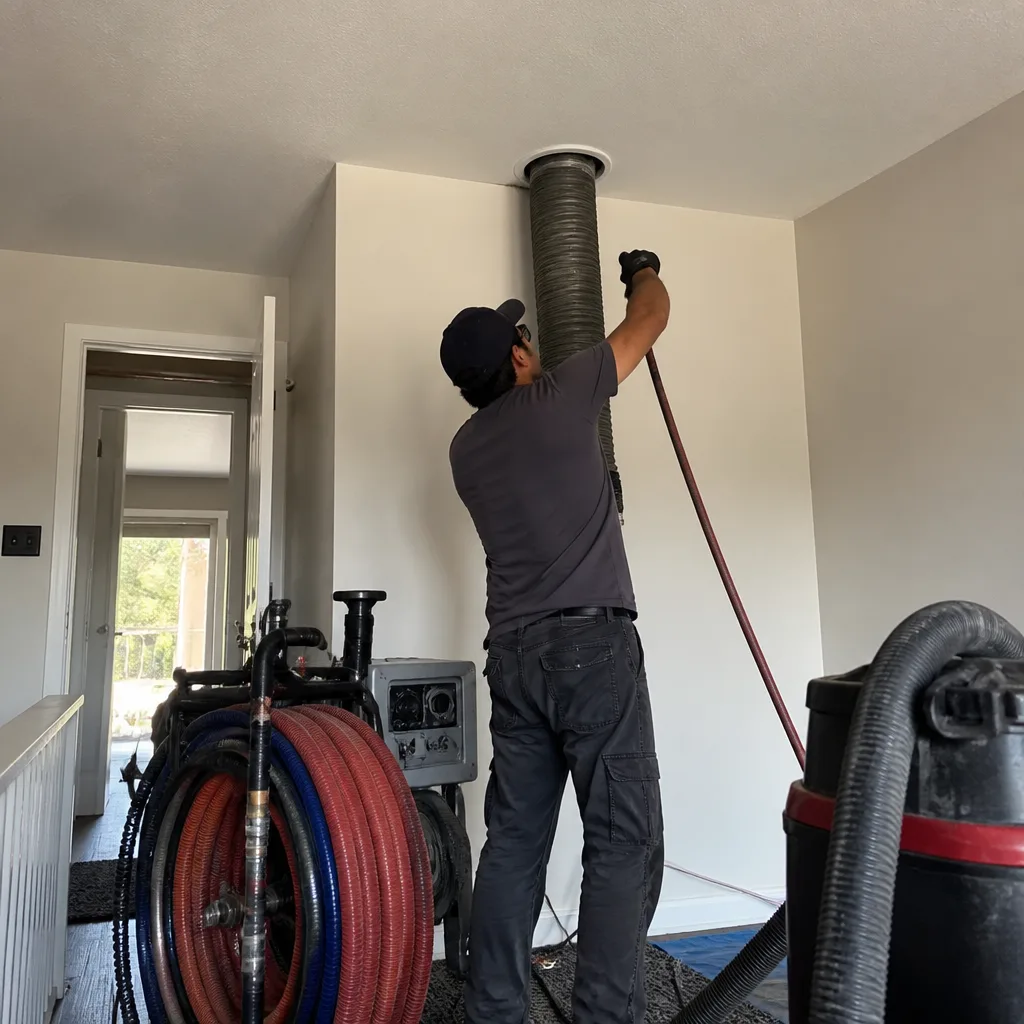
A professional air duct cleaning in Austin should include brush agitation to dislodge debris from the duct walls, negative-air extraction to pull loosened debris out of the system, and HEPA filtration to keep particles out of the living space during the work. At Kestrel, we use Rotobrush rotary brush systems for agitation, Nikro negative-pressure units for extraction, and Abatement Technologies HEPA filtration for air quality protection during the job. The written price is in your hands before work starts, and the 365-Day Done Right Promise covers the work in writing.
The Bottom Line
The warning signs that matter in Austin are specific: a musty smell from the registers after rain, uneven room temperatures that persist, visible mold or staining inside the duct, and dust returning within weeks of a filter change. The signs that fool homeowners are just as specific: the dust ring around a register that’s really filter bypass, and the mold on a grille that’s really condensation. You now know how to tell the difference, and you know that a collapsed flex duct in the attic needs a repair before any cleaning will help. Start with the 10-minute protocol. Change the filter. Watch the signs. And when you’re ready for a professional evaluation, Kestrel Air Duct Austin gives you a written price before the work starts and a 365-Day Done Right Promise that stands behind it. Call (254) 848-6913 for a free estimate.
Written by Dale Whitmore, Owner at Kestrel Air Duct Austin, serving Austin since 2004.
See the difference
 Before
 After
After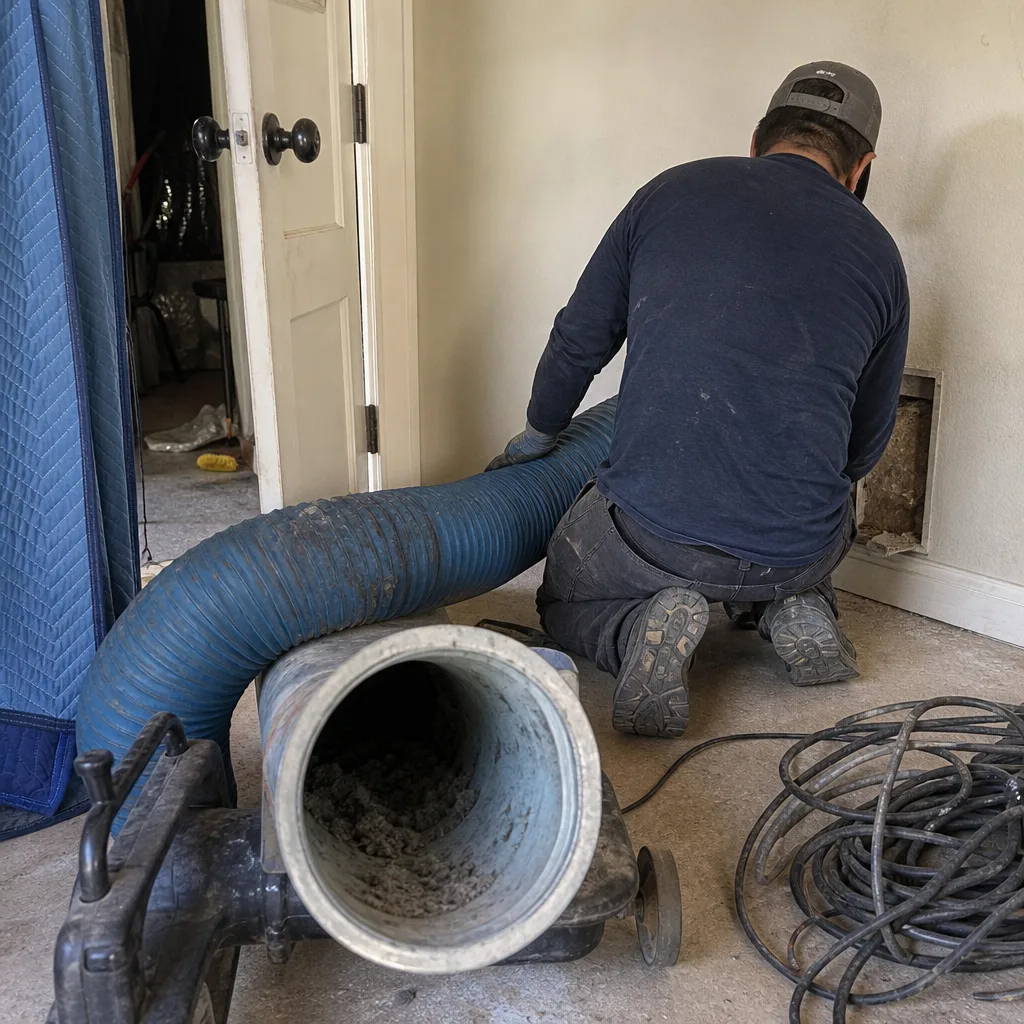 Before
 After
After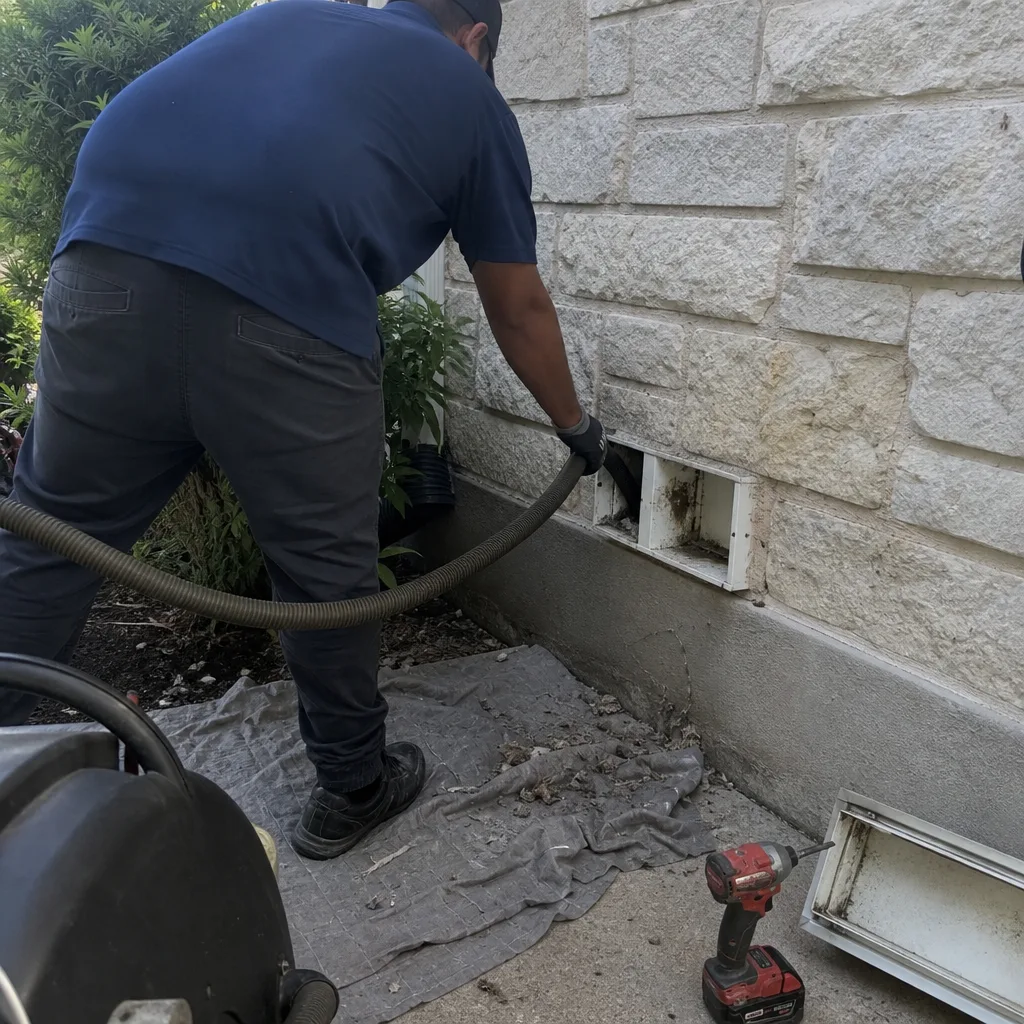 Before
 After
After