
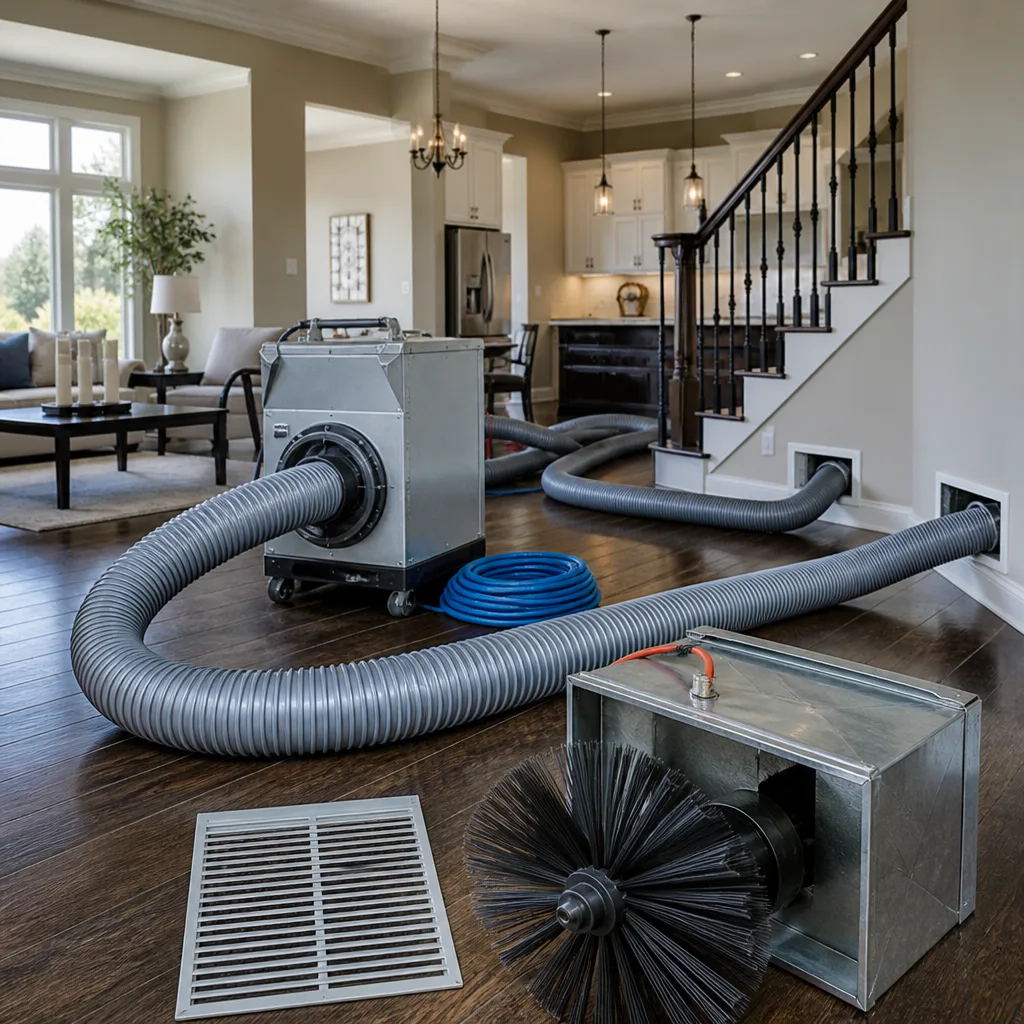
 Whole-home duct cleaning
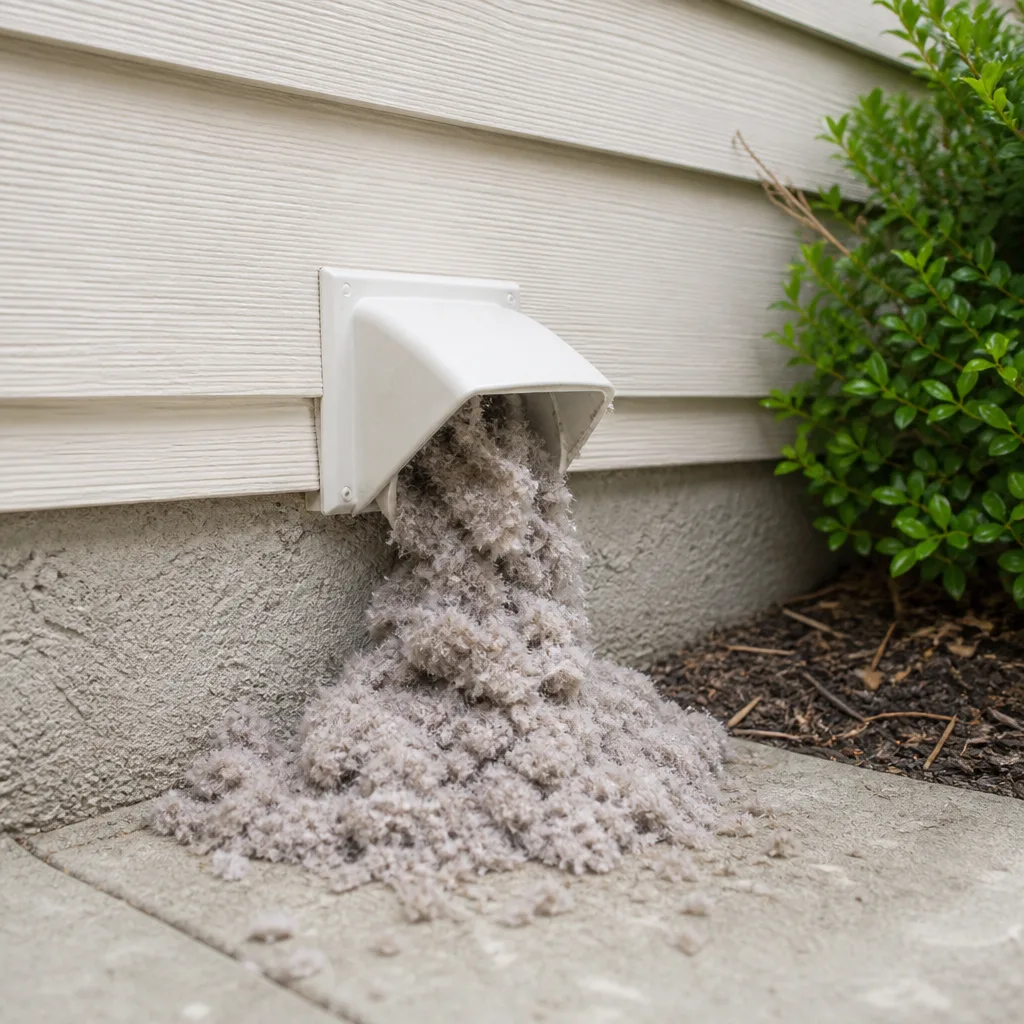 Dryer vent cleaning
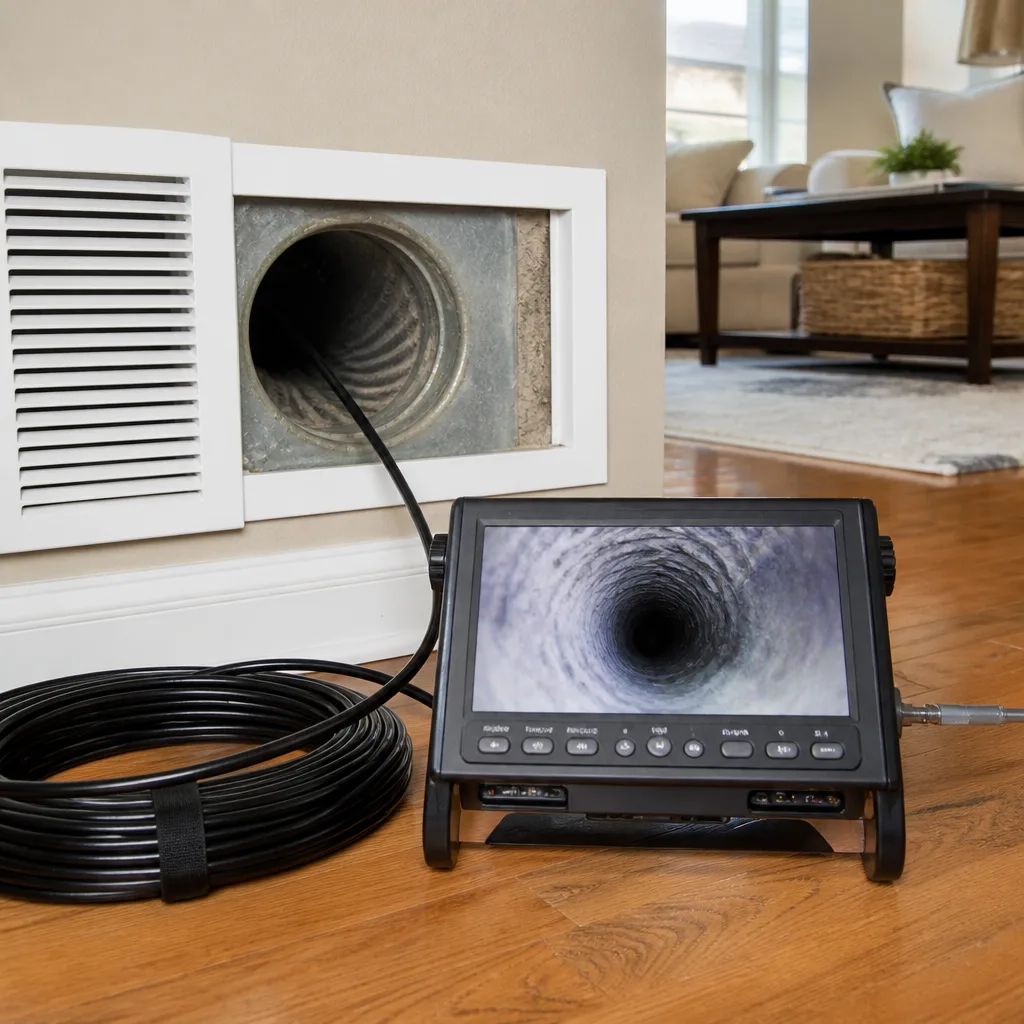 Camera inspection
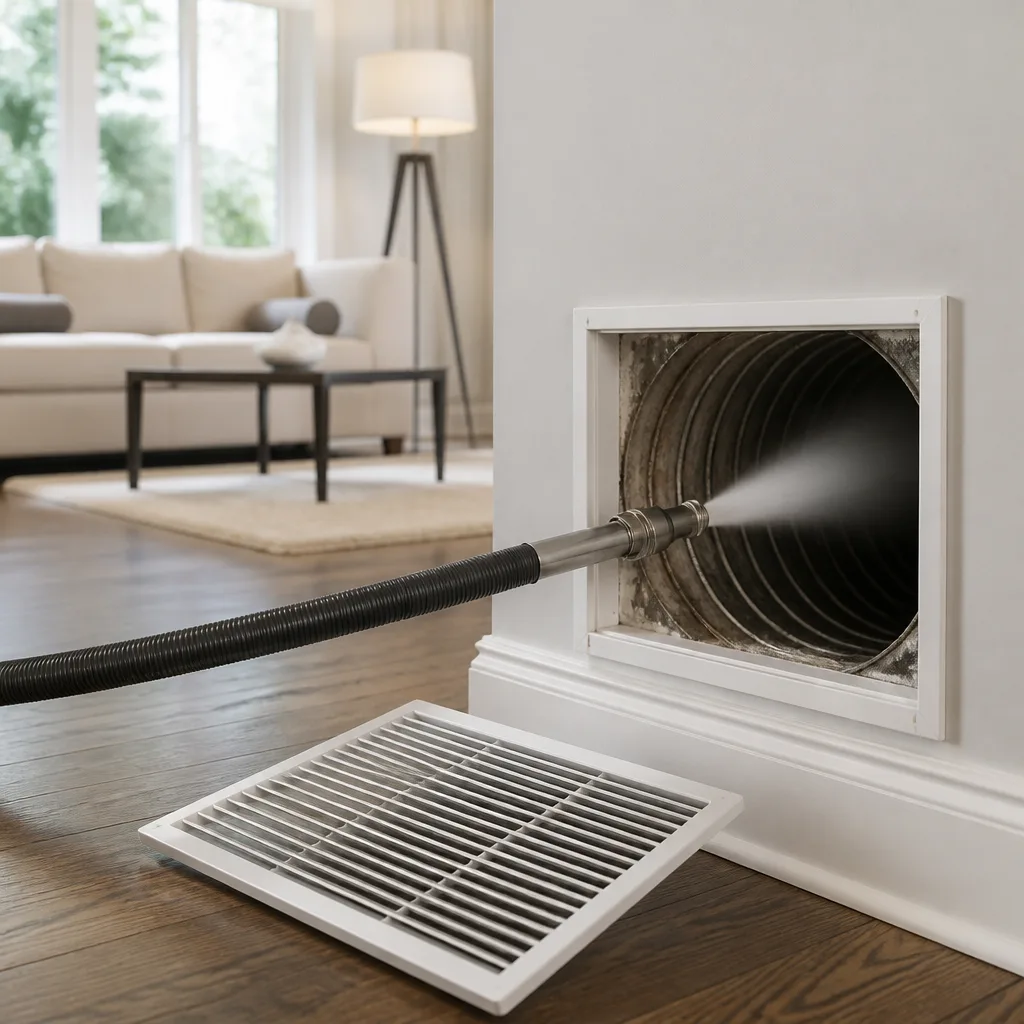 Sanitizing & deodorizing
Whole-system duct and dryer vent check with before-and-after photos - you see exactly what came out of your vents
That "$99 whole-house special" is a bait ad - the real number appears once they are in your hallway, or the "clean" is a shop-vac at the register. We photograph the inside of your ducts before and after instead.
Why Austin Homeowners Choose Trane Air Duct Cleaning
Kestrel Air Duct Austin provides independent air duct cleaning for Trane systems across Austin, TX, and what sets our work apart is that we understand how Trane’s specific components interact with duct contamination in this climate. We’re not a Trane dealer and we don’t claim to be. We’re the independent local crew that has pulled hundreds of Trane blowers and opened hundreds of Trane air handler cabinets in a city where cedar pollen, oak pollen, limestone dust, and high humidity combine to load ductwork faster than almost anywhere else. If you own a Trane in Austin, the ductwork attached to it is doing more work than the manufacturer ever intended, and that changes how it needs to be cleaned. Call (254) 848-6913 for a straight answer and a written price.
Why Trust Kestrel Air Duct Austin for Your Trane Air Duct Cleaning?
Dale Whitmore, owner of Kestrel Air Duct Austin, learned HVAC fundamentals at Los Angeles Trade-Technical College and has spent the better part of two decades cleaning residential and light-commercial duct systems across Texas. In Austin and nearby areas like Pflugerville, he and the crew have run jobs in older Craftsman homes near Hyde Park and newer builds south of the river, and they’re the ones neighbors call when a previous cleaning made the indoor air worse instead of better. Trane equipment rewards methodical work. A Trane variable-speed blower responds to static pressure in real time, so a duct cleaning that leaves loosened debris behind doesn’t just fail, it actively confuses the blower’s control logic. We approach every Trane job with negative-air extraction, meaning we seal the system and pull debris out under vacuum rather than just agitating it and hoping it settles somewhere harmless. The Kingswell Way governs every visit: the price is in writing before work starts, we show up in the window we gave, we leave the site cleaner than we found it, and the 365-Day Done Right Promise is documented on paper. If the work falls short within that year, we return and make it right at no charge.
Styles & brands we work with
Common Trane Air Duct Cleaning Problems We Fix in Austin
- Trane aluminum spine-fin evaporator coils packed with biofilm. Trane’s signature spine-fin coil design is efficient, but in Austin’s humid season those tightly packed aluminum fins collect a thick biofilm that restricts airflow across the coil. The variable-speed blower senses the restriction and ramps up to compensate, which pulls more air through leaky return ducts and drags more dust into the system. We clean the coil and the ducts, then seal the return, because cleaning only one side of that equation fixes nothing.
- Variable-speed ECM blower modules caked with cedar pollen and limestone dust. Trane’s variable-speed blowers are excellent at modulating airflow, but the ECM module generates heat and relies on a steady stream of return air to stay cool. When the return duct is choked with Austin’s cedar pollen and fine limestone dust, the module overheats and the blower shuts down intermittently. Homeowners describe it as the system “running, then quitting, then running again.” The fix starts with cleaning the return side thoroughly, then the blower wheel and module housing.
- Fiberglass shedding from Trane Hyperion air handler cabinet insulation. The foil-faced insulation inside Trane Hyperion air handler cabinets degrades with age, especially under Austin’s repeated heating and cooling cycles. When the foil facing delaminates, fiberglass particles shed into the supply airstream and recirculate through the home. If you’re finding fine fiberglass dust on surfaces near supply registers, the source is often the air handler cabinet itself, not the ducts. We identify the failure and clean both the cabinet interior and the downstream ductwork.
- Oversized Trane systems starving for return air in Austin’s older homes. Many Austin homes built in the 1960s through 1980s were retrofitted with larger Trane systems without upgrading the return ductwork. Trane’s high-static-pressure designs tolerate this better than some brands, but undersized returns still starve the blower, causing noisy operation and reduced motor life. In homes with original metal ductwork, the return side is often more restrictive than the supply side. We measure static pressure during the estimate and explain what we found.
- Flex duct restrictions in suburban tract homes tricking Trane ramp-up logic. In the vast ring of 1990s and later suburban homes around Austin, flex duct runs are often kinked, crushed, or sagging in hot attics. When the Trane variable-speed blower sees the resulting static pressure spikes, it ramps up and down unpredictably, which homeowners hear as surging or pulsing airflow. A proper cleaning includes inspecting and correcting flex duct runs, not just vacuuming them out.
Trane Parts & Our Repair-vs-Replace Approach
We use quality aftermarket filters, mastic, and flex duct that meet or exceed Trane’s material specifications. For most ductwork-related repairs, aftermarket materials perform identically to OEM at a meaningfully lower price, and we’re transparent about that trade-off before we quote. When it comes to the Trane equipment itself, we take an honest position: if the coil, blower, and heat exchanger are still sound, we repair the air distribution system rather than pushing replacement. A Trane with a decade of life left doesn’t need to be swapped for new equipment because the ducts are dirty. But if the cabinet insulation has failed, the coil is corroded beyond cleaning, or the ECM module is dead, we’ll tell you that plainly and quote the work accurately. Call (254) 848-6913 and we’ll give you a written number.
Our Trane Service Process – Step by Step
- 1
Diagnosis. We start by checking static pressure across the system and inspecting the condition of the coil, blower, cabinet insulation, and return ductwork. On a Trane, we specifically look at the coil’s spine-fin surfaces and the blower module housing. This tells us whether duct cleaning alone will solve the problem or whether we need to address sealing, insulation, or airflow restrictions first.
- 2
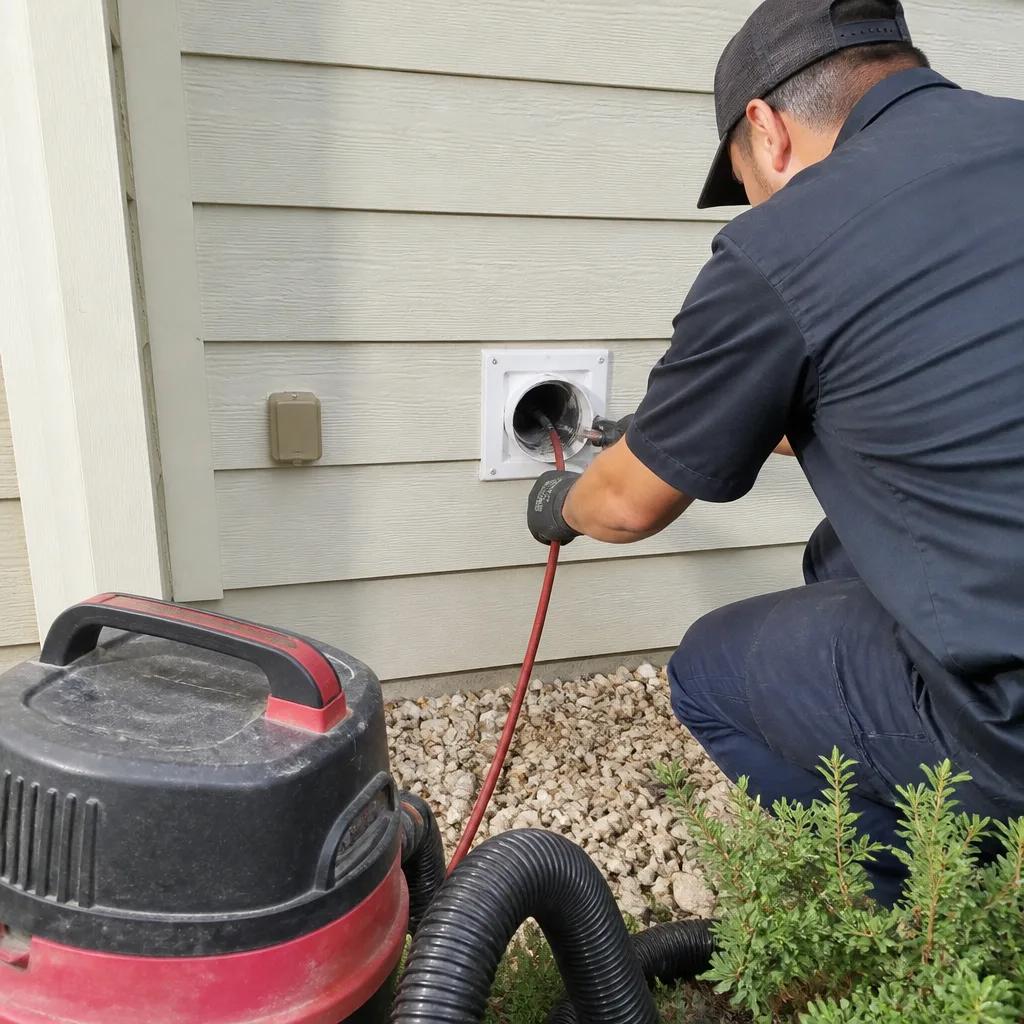
Containment and cleaning. We seal the supply and return openings and run negative-pressure extraction while agitating duct walls with rotary brush systems. For Trane systems in Austin, we pay particular attention to the return side, where cedar pollen and limestone dust accumulate fastest. Any debris loosened during cleaning is captured by the HEPA-filtered negative air unit, not blown into the living space.
- 3
Component service. If we found coil fouling during diagnosis, we clean the evaporator coil. If the blower wheel and ECM module need attention, we pull the blower and clean it properly. On Hyperion cabinets with degraded insulation, we address the shedding at the source before it re-contaminates clean ducts.
- 4
Sealing and verification. We seal return and supply plenum connections with mastic where air leakage was identified, then re-check static pressure readings to confirm the Trane blower is operating within its intended range.
- 5
Documentation and warranty. Every job gets the 365-Day Done Right Promise in writing, along with before-and-after photos of the duct interior. If anything falls short within the year, we return and correct it at no charge.
See the difference
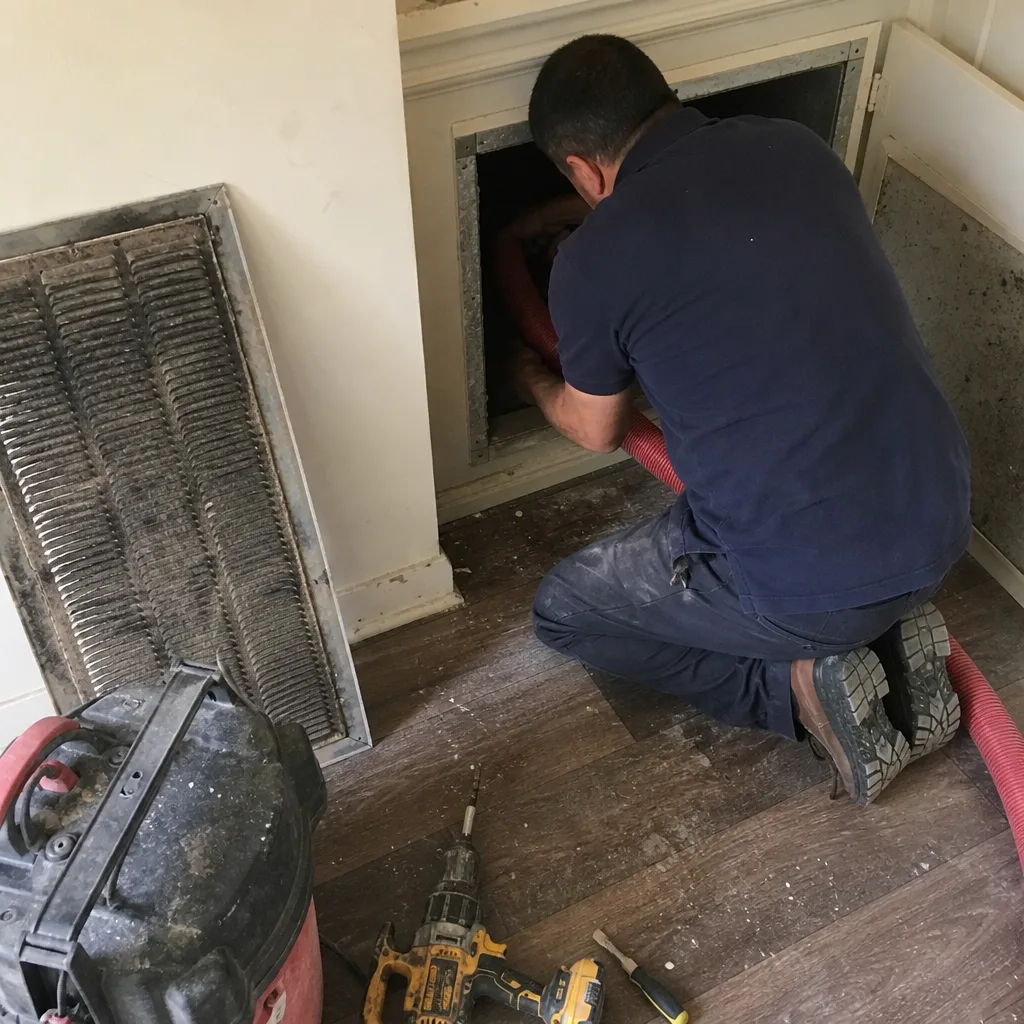 Before
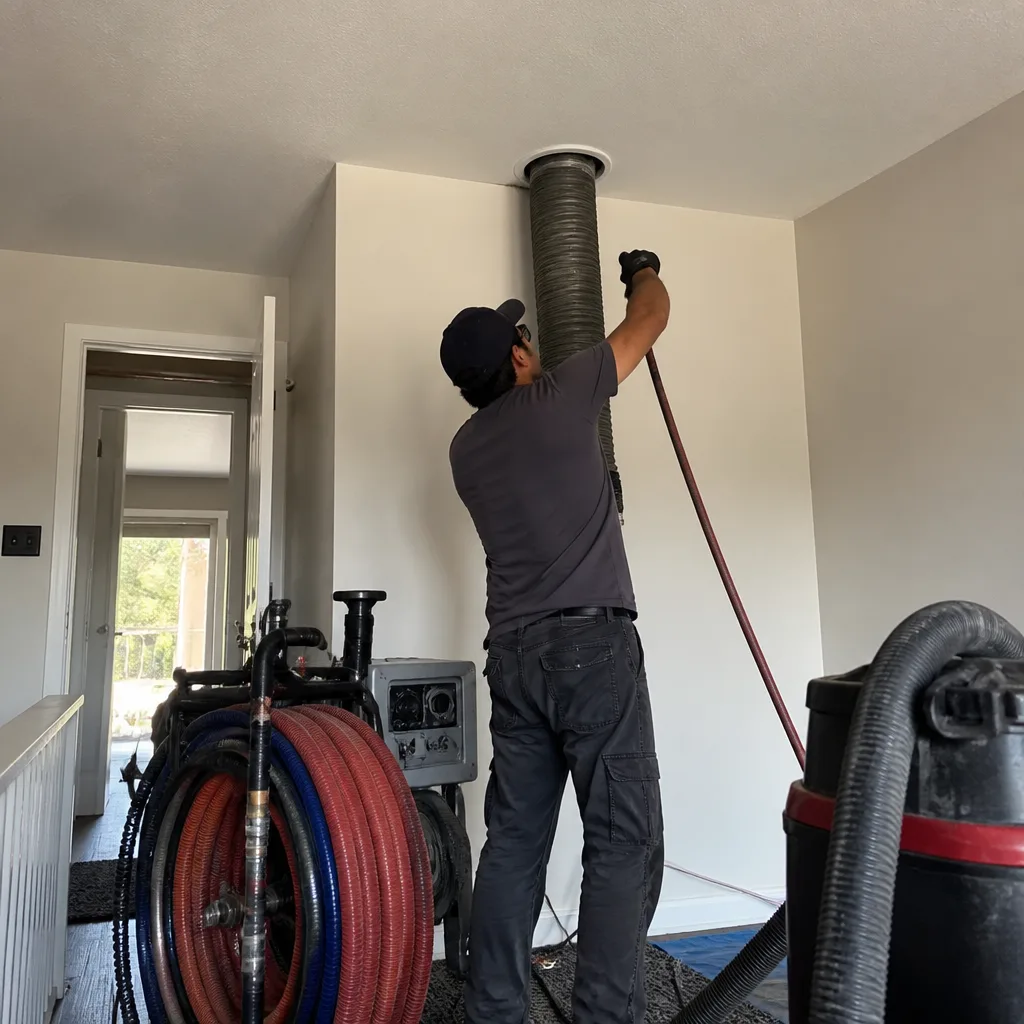 After
After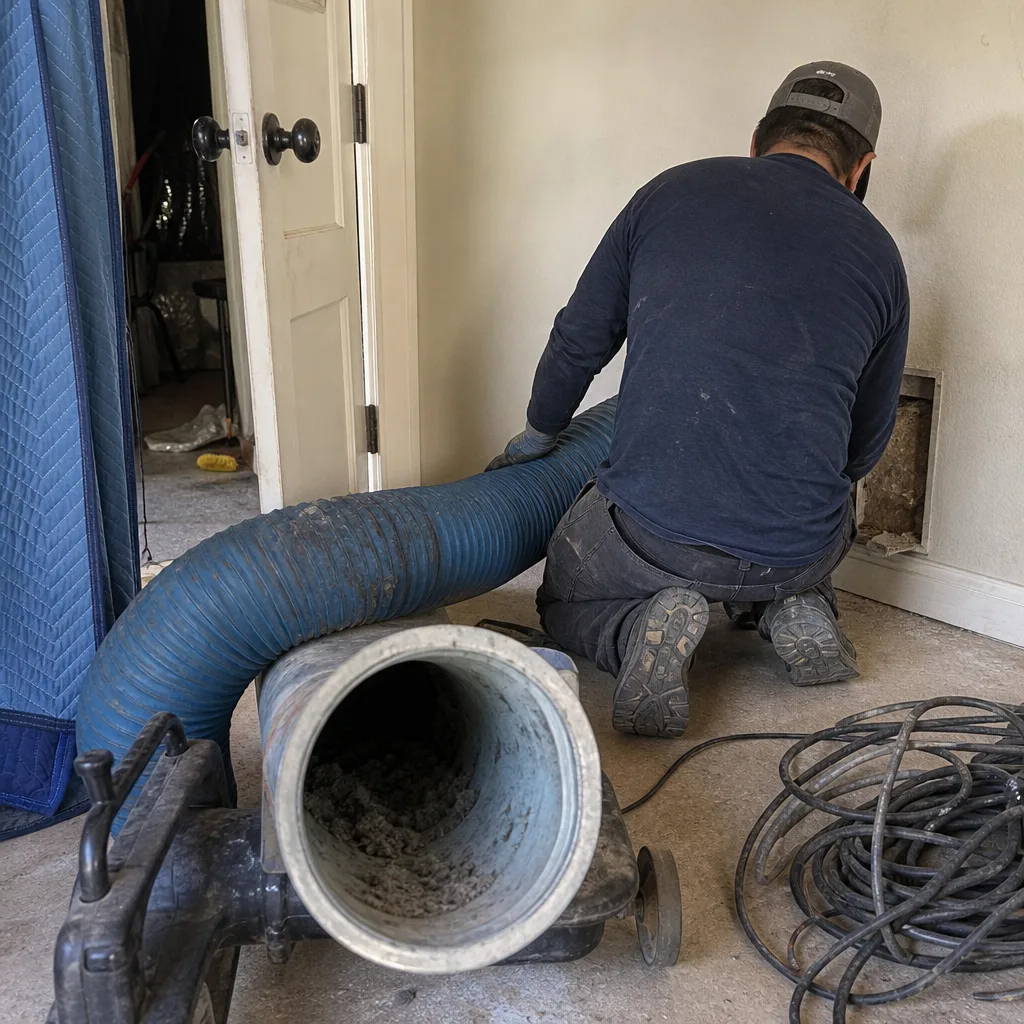 Before
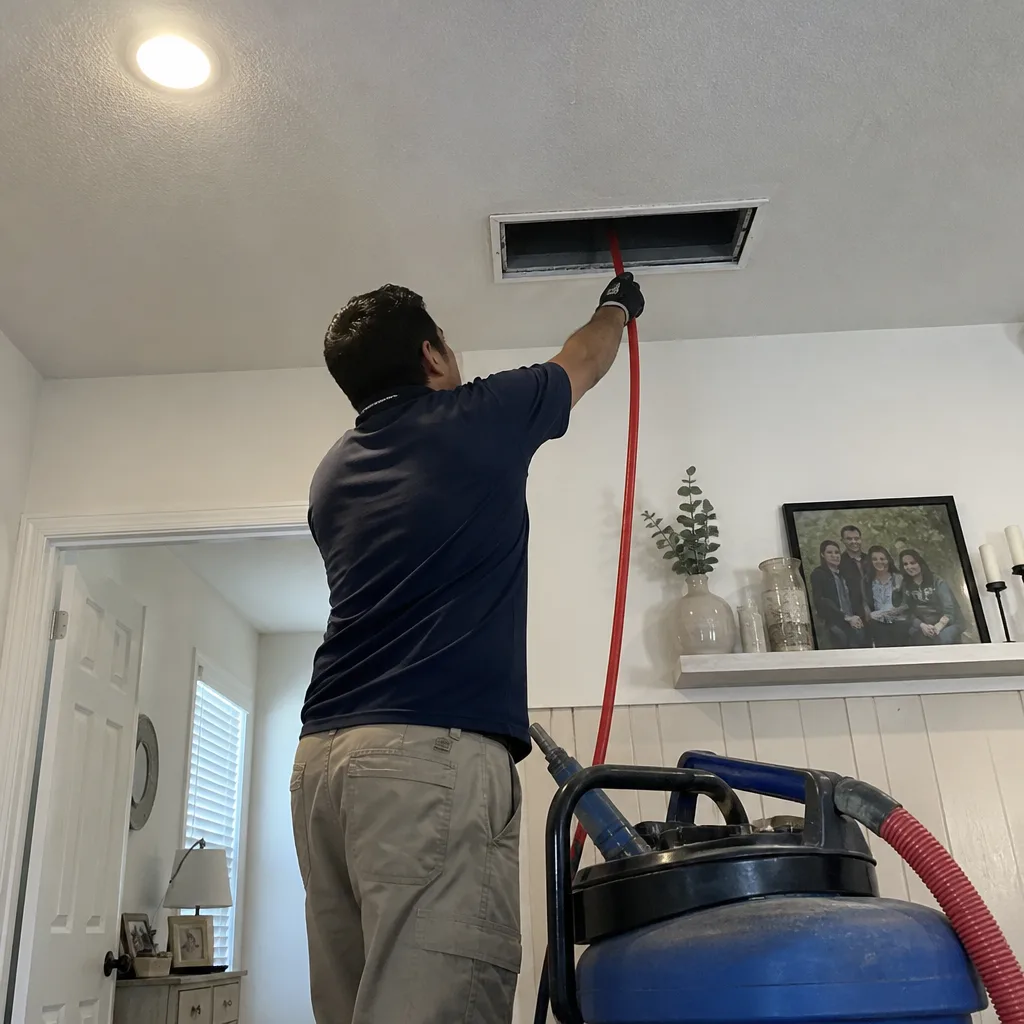 After
After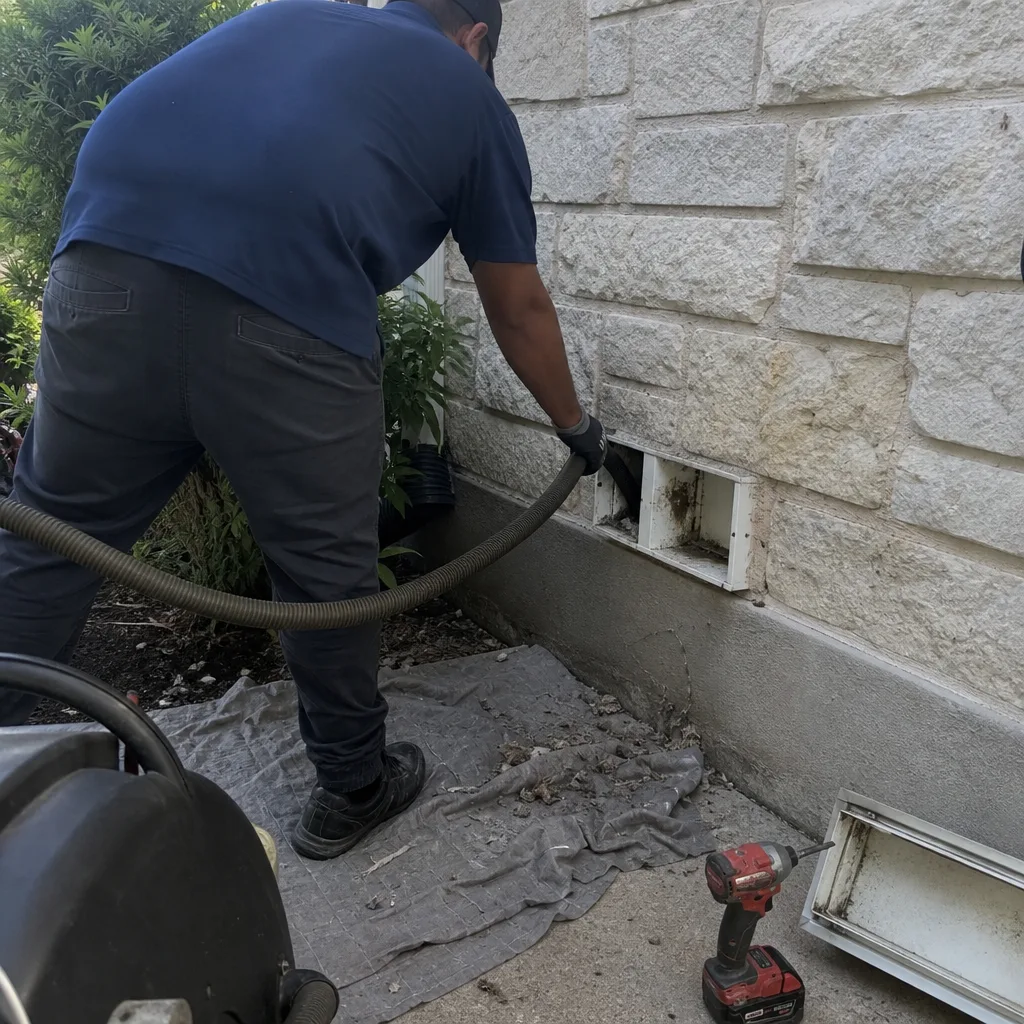 Before
 After
AfterTrane Products We Service & Install in Austin
We service the air distribution systems attached to every major Trane residential line: the Trane XR series, the Trane XL series, and Trane Hyperion air handlers. That includes the Trane RunTru by Trane value line as well. The ductwork, plenums, returns, and filtration downstream of these units is our focus, and that’s where Austin’s pollen and dust do their work. We stock common filter sizes, mastic, flex duct, and return grille components locally for fast turnaround, and we can source specific Trane-compatible materials for older or less common installations.
We Also Service These Brands
If you have a Lennox or Carrier system, we bring the same methodical approach and the same written guarantee. Duct contamination doesn’t care whose name is on the air handler. Clean ducts move air. Everything else is just noise.
FAQs – Trane Air Duct Cleaning Service in Austin
A Trane variable-speed blower that gets louder after cleaning almost always means the cleaning loosened debris but didn’t extract it, and that debris is now altering static pressure through the blower. The blower ramps up to compensate, and you hear it. We use negative-air extraction on every Trane job specifically so loosened debris is pulled out of the system rather than redistributed. If a previous Austin company left your Trane louder than before, call (254) 848-6913 and we’ll come assess what’s actually in the ducts.
Yes. A Trane CleanEffects air cleaner uses charged fields to capture particles, but it can only capture what reaches it. When the ducts upstream are loaded with dust, the CleanEffects unit becomes a bottleneck rather than a filter, and the duct debris keeps blowing past it into the living space. Cleaning the ducts reduces the particle load the CleanEffects system has to handle, which extends its effective life between maintenance cycles and improves capture rates.
Yes. Trane’s spine-fin coil design packs many more fins per inch than a conventional plate-fin coil, which means the gaps are tighter and more susceptible to biofilm formation in Austin’s humidity. Aggressive brushing or high-pressure washing can bend or damage those fine aluminum spines. We use cleaning methods suited to dense coil geometry, and in many cases the coil cleaning and duct cleaning should happen together, since each one reintroduces contamination into the other if done alone.
Fiberglass dust in a Trane air handler cabinet is typically the foil-faced insulation inside the cabinet breaking down. In Austin, the repeated heating and cooling cycle accelerates this. The foil facing delaminates, the fiberglass underneath sheds into the airstream, and it ends up both in the cabinet and throughout the supply ducts. This isn’t a duct problem alone. The cabinet insulation must be addressed at the source, and then the downstream ducts need cleaning to remove what’s already circulated.
A high-MERV filter protects the equipment from large particles but does nothing for the dust that bypasses it through leaky returns, settles in the ducts during off cycles, or sheds from cabinet insulation. In Austin and Round Rock, with oak, cedar, and ragweed seasons loading the outdoor air for much of the year, we recommend inspecting ducts every two to three years and cleaning when visible dust accumulation, airflow noise, or allergy symptoms indicate it’s due. Homes with pets, new construction debris, or older flex duct may need cleaning sooner. Call (254) 848-6913 for an honest assessment.
No, we are an independent Trane service provider, not an authorized dealer, and we state that plainly. Duct cleaning, coil cleaning, blower cleaning, and duct sealing performed by a qualified independent contractor do not void a Trane equipment warranty. Trane warranties cover manufacturing defects in the equipment, not the condition of the air distribution system attached to it. We use materials that meet or exceed Trane specs, and every job is documented in writing.
Book Your Trane Service in Austin, TX
If your Trane is running louder than it should, short-cycling, or blowing dust you can measure, we’ll come look at it. The written price is in your hands before any work begins. Call (254) 848-6913 for a free estimate, and you’ll talk to a live person.
Written by Dale Whitmore, Owner at Kestrel Air Duct Austin, serving Austin since 2004.