
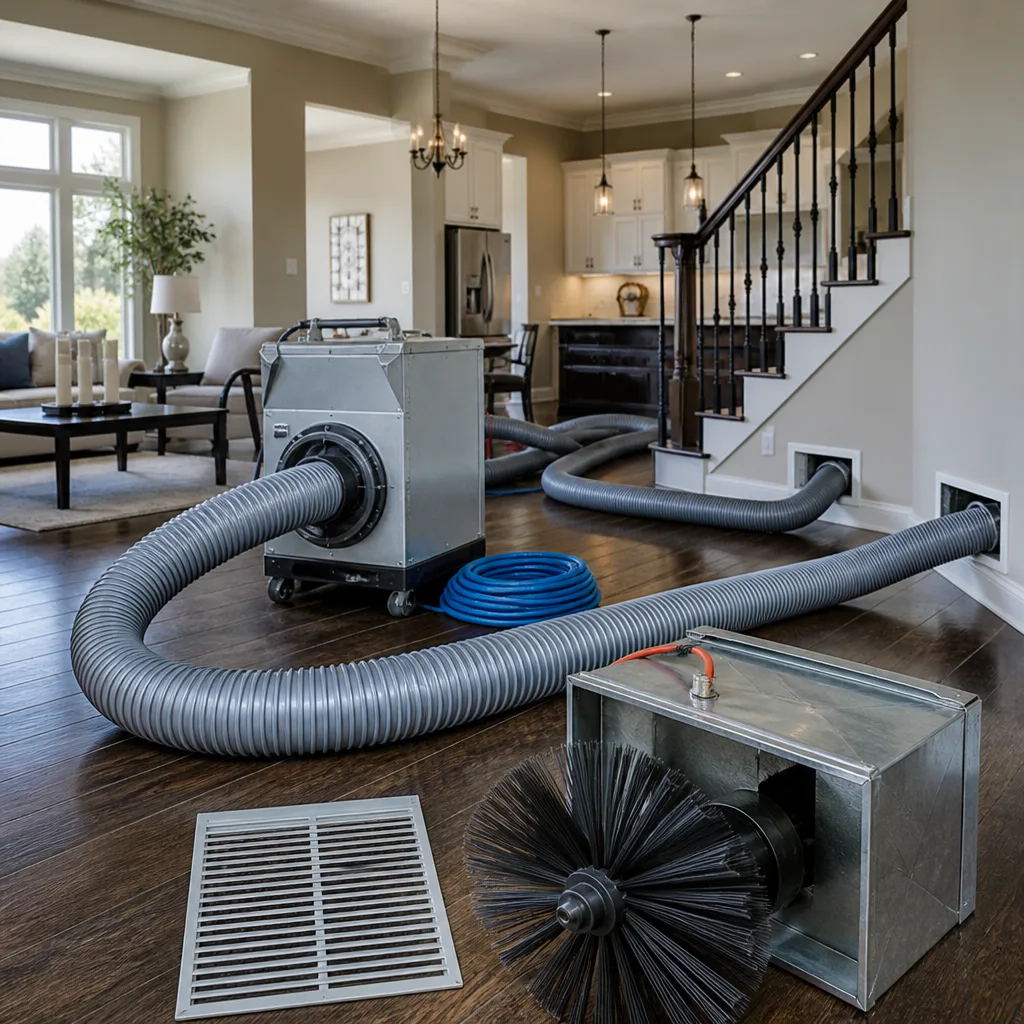
 Whole-home duct cleaning
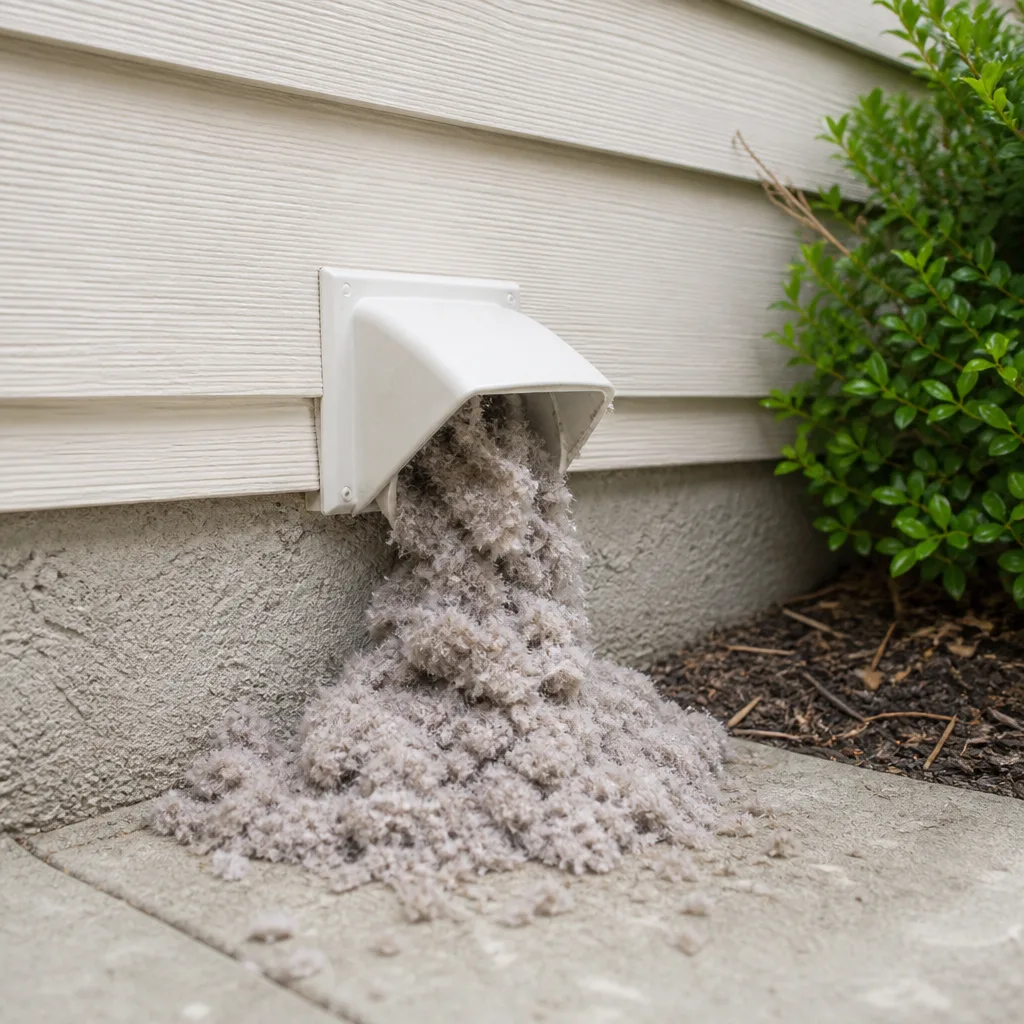 Dryer vent cleaning
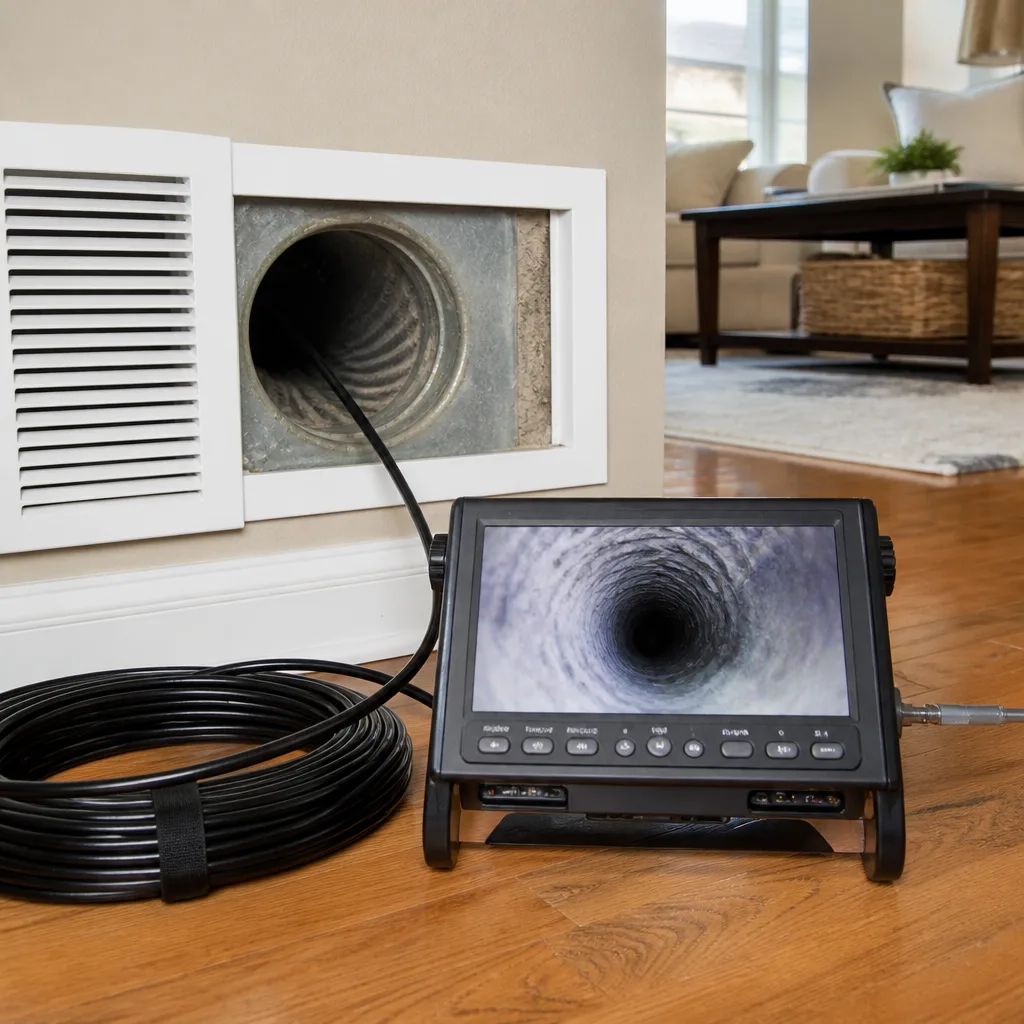 Camera inspection
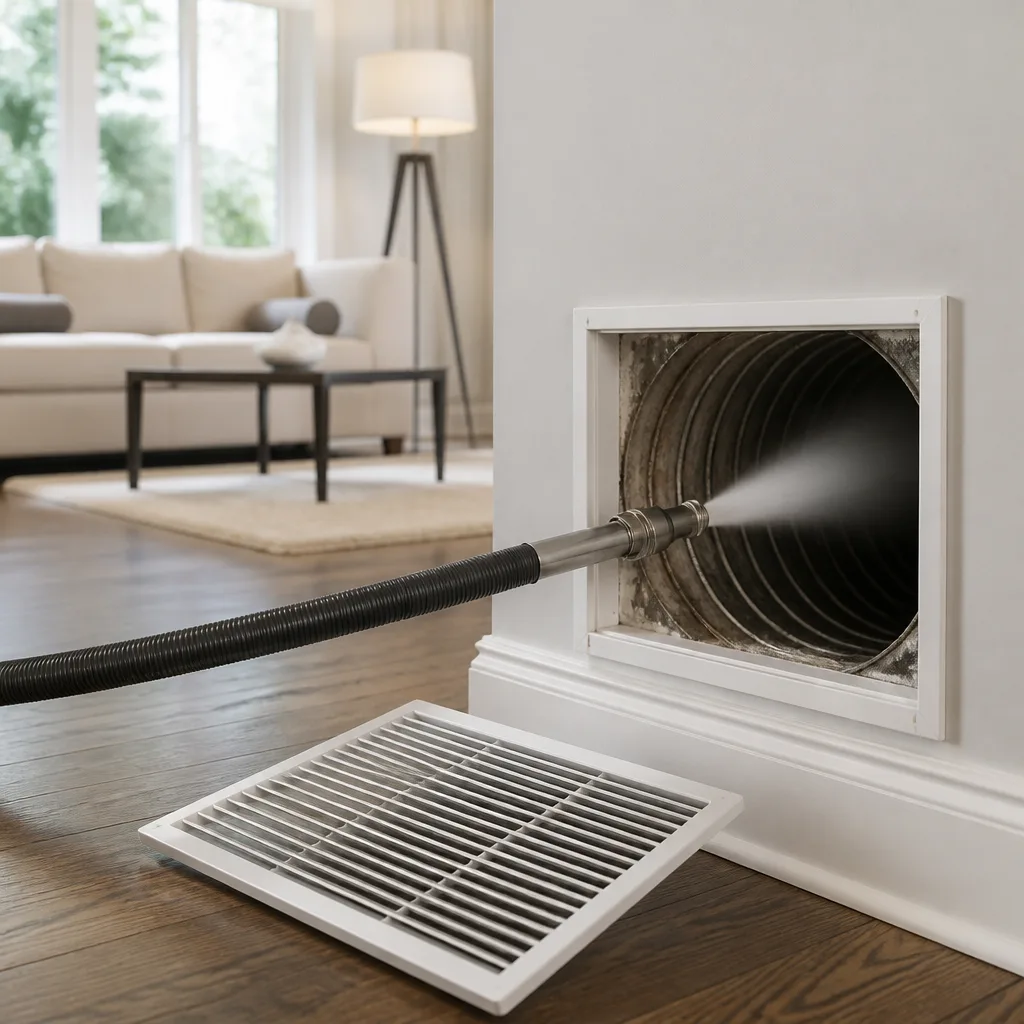 Sanitizing & deodorizing
Whole-system duct and dryer vent check with before-and-after photos - you see exactly what came out of your vents
That "$99 whole-house special" is a bait ad - the real number appears once they are in your hallway, or the "clean" is a shop-vac at the register. We photograph the inside of your ducts before and after instead.
Honeywell Register & Grille Cleaning: The Austin Owner’s Guide
Register and grille cleaning for Honeywell-branded supply vents and return grilles in Austin homes typically runs between $120 and $280 when performed as part of a whole-system air duct cleaning, and we stock the tools and brushes matched to Honeywell’s stamped-face and curved-blade designs on our trucks. Most homeowners discover the problem two ways: registers that have gone from white to a gray-brown film that won’t wipe clean, or airflow that’s dropped noticeably in one room even though the filter is new. The film is Austin dust and pollen baked onto the metal by the temperature swings between your air-conditioned rooms and the hot attic or wall cavity. We clean the register, the boot behind it, and the first few feet of duct so the air actually moves again.
If you’re holding a Honeywell register in your hand right now, wondering whether to clean it or replace it, you’re in the right place. Dale Whitmore and our crew have pulled apart hundreds of these in Austin homes, from the older pier-and-beam houses in Crestview to the two-story builds in Circle C. Here’s what you need to know before you spend a dollar.
Which Honeywell Models This Applies To
Honeywell’s residential register line breaks into two families: the stamped-face steel registers with fixed curved blades and the adjustable aluminum models with a lever you push side to side to open or close the damper. The stamped-face units are more common in Austin homes built before 2000, while the adjustable aluminum versions show up in newer construction and remodels. Both use a standard sizing system based on the rough opening in the wall or floor: the two numbers on the register refer to the dimensions of the hole, not the faceplate. A 4×10 register fits a 4-inch by 10-inch boot opening, and the faceplate runs roughly 5.5 by 11.5 inches.
The gotcha we see regularly in Austin: Honeywell’s adjustable aluminum registers use a thinner gauge of metal than the old steel ones they replaced. That’s not a defect; it’s by design, and it means the damper blades bend if someone kicks them or a vacuum hose catches an edge. When that happens, the register won’t stay set and the room gets uneven airflow. Honeywell doesn’t sell a replacement blade separately, so a bent damper usually means a new register. We stock the most common Honeywell sizes on the truck: 4×10, 4×12, 6×10, 6×12, and return grilles from 14×14 up to 20×25. For odd sizes, we order Honeywell-equivalent units and have them within two business days.
One note on parts: Kestrel Air Duct Austin is an independent service provider. We’re not affiliated with Honeywell, and we also stock register and grille options compatible with Lennox, Trane, and Carrier systems. What we bring to a Honeywell register job is the cleaning process and the fitment knowledge, not a manufacturer’s warranty. That said, our 365-Day Done Right Promise covers the cleaning and any register we install.
Styles & brands we work with
Signs Your Honeywell Register & Grille Cleaning Is Failing
- Visible gray-brown film that won’t wipe off with a damp cloth. This is baked-on Austin dust mixed with condensation from the temperature difference between conditioned air and hot attic space. Once it’s polymerized, it needs more than a rag.
- Airflow dropping in one room while other rooms stay comfortable. The register face may only be half the problem. The boot behind it collects dust and debris that narrows the opening. We’ve seen boots in Austin homes reduced to less than half their original airflow capacity.
- Damper lever that slides freely but doesn’t change air movement. On Honeywell adjustable models, this usually means the blades have bent out of alignment or the linkage has popped loose. The register is done for, not the damper mechanism alone.
- Whistling or hissing at the register when the system runs. Dust caked on the blade edges changes the airflow pattern. The same register that was quiet for years starts making noise because the air path has narrowed and sped up.
- Black streaks on the wall or ceiling around the register face. This is called ghosting, and it’s airborne particles sticking to the wall where air exits. It’s a signal the register and the duct behind it are carrying more debris than they should.
See the difference
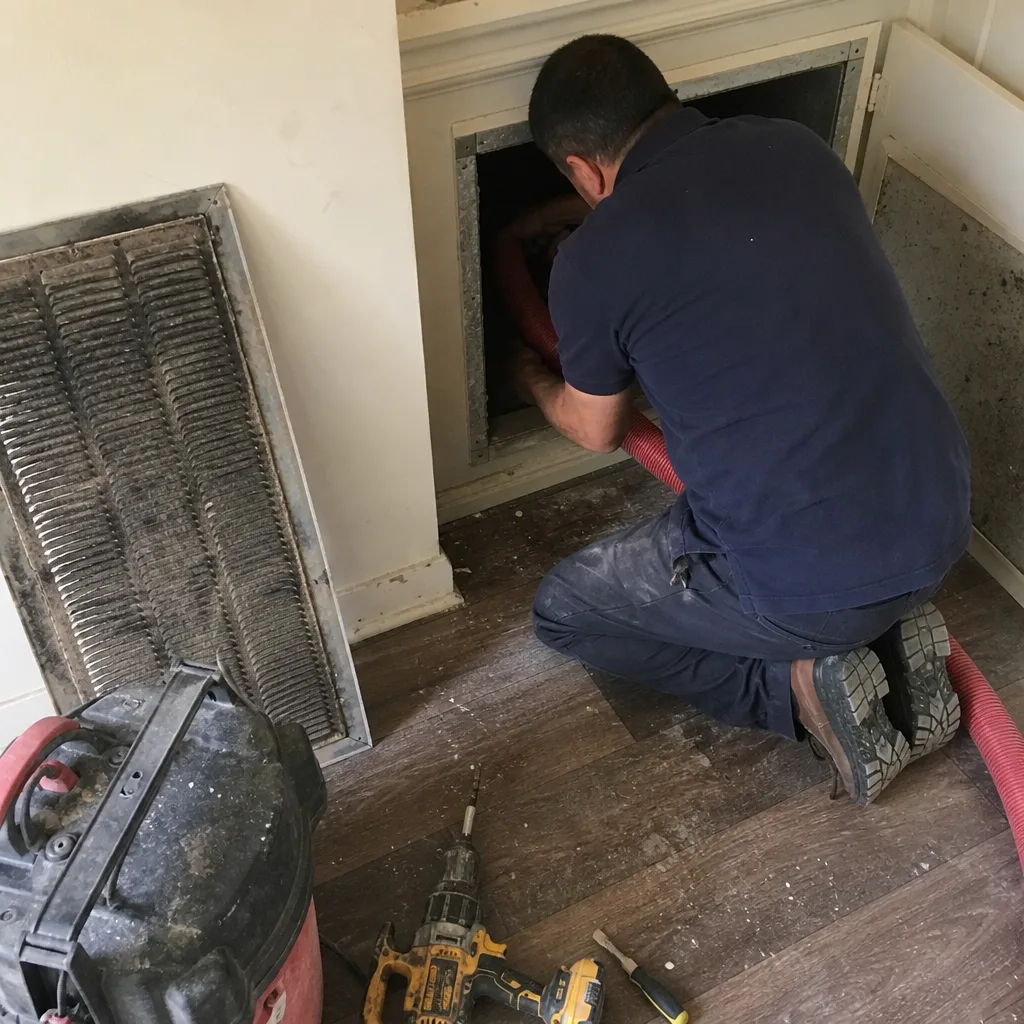 Before
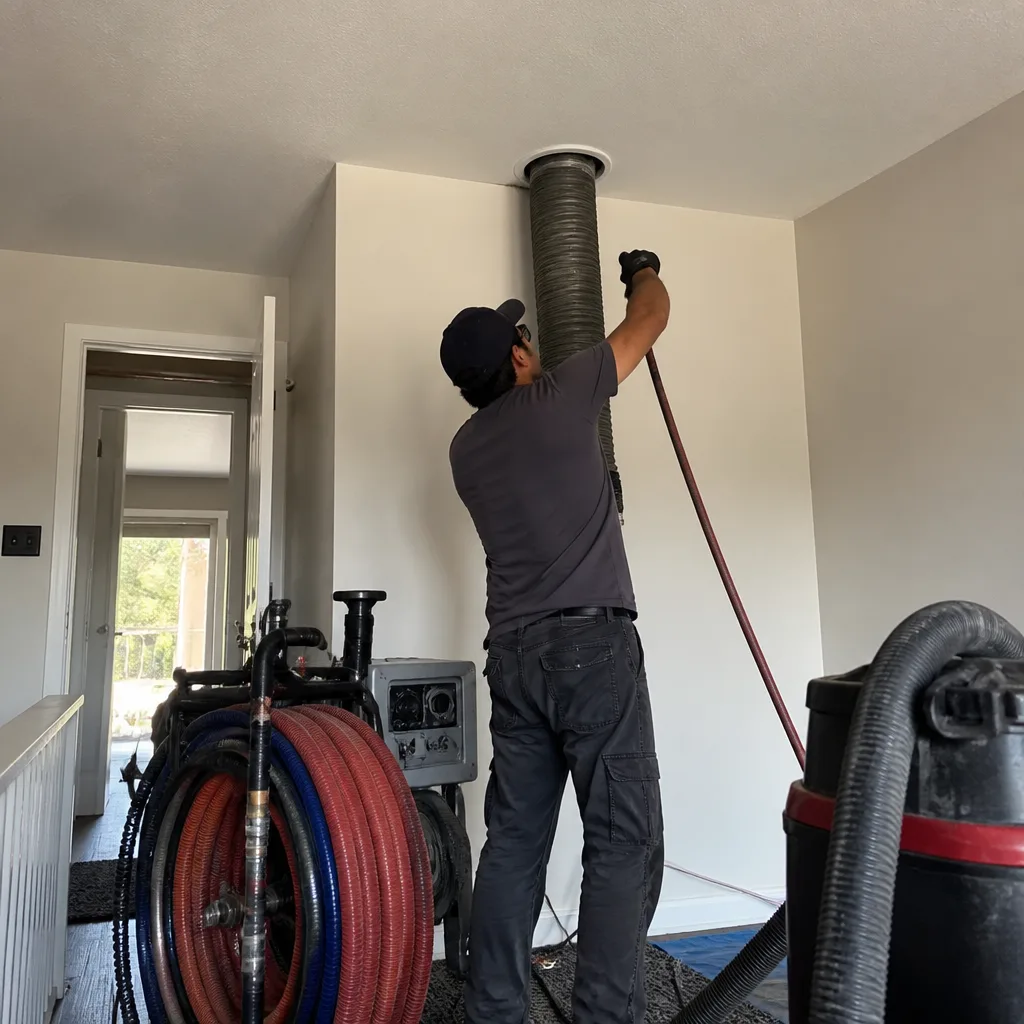 After
After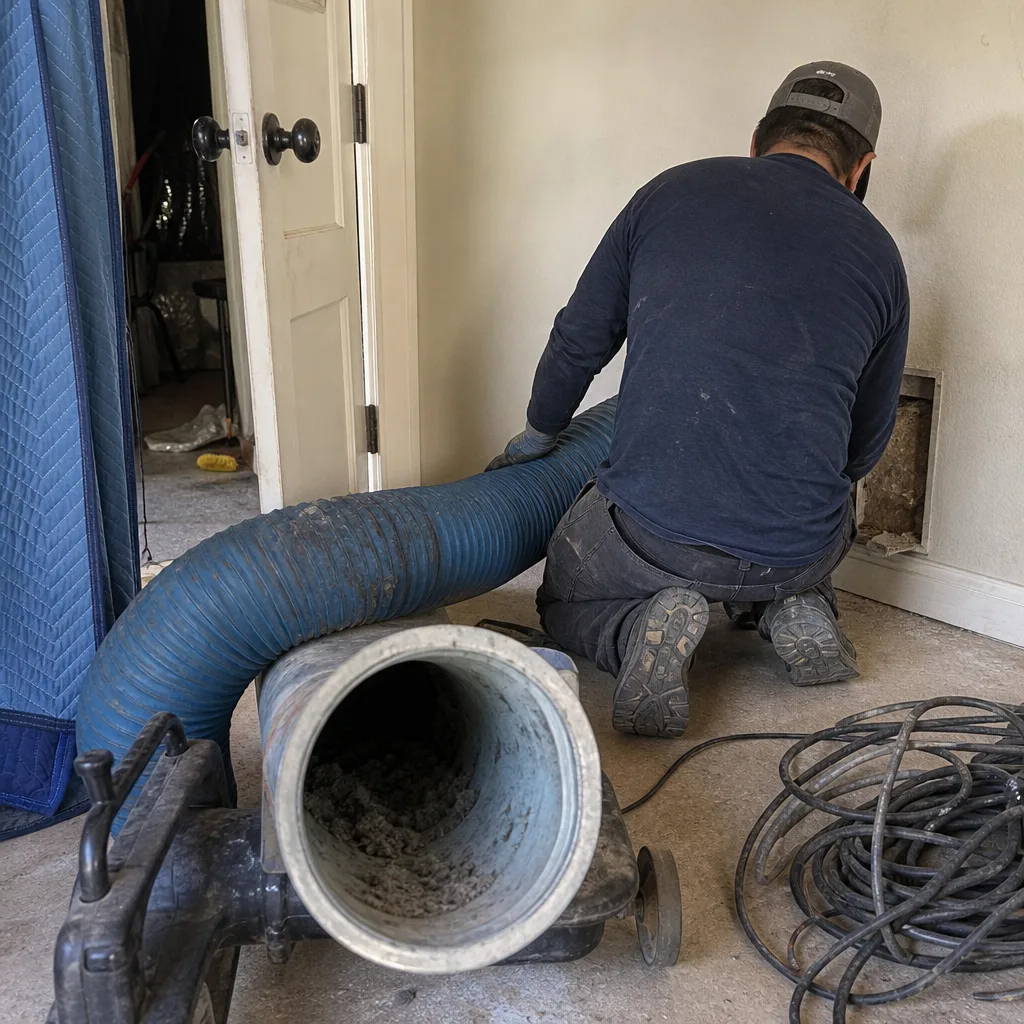 Before
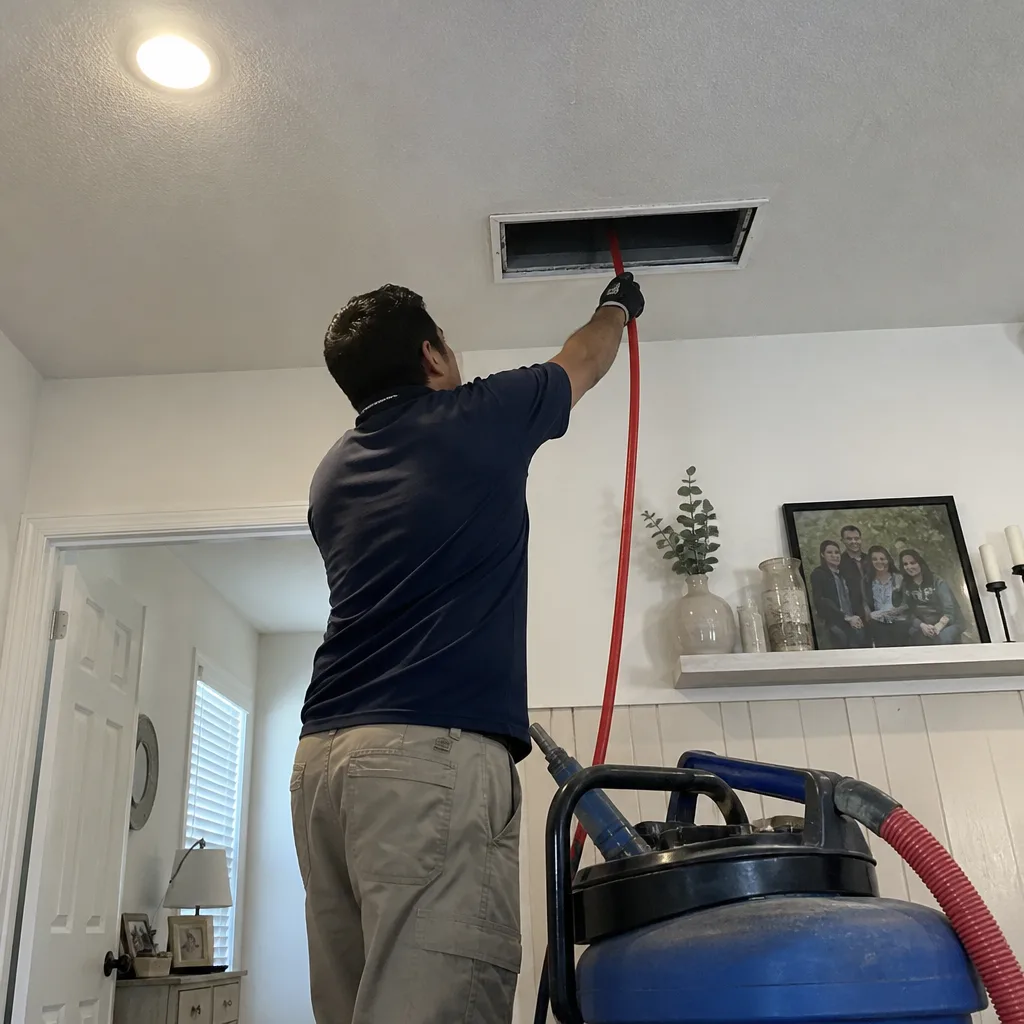 After
After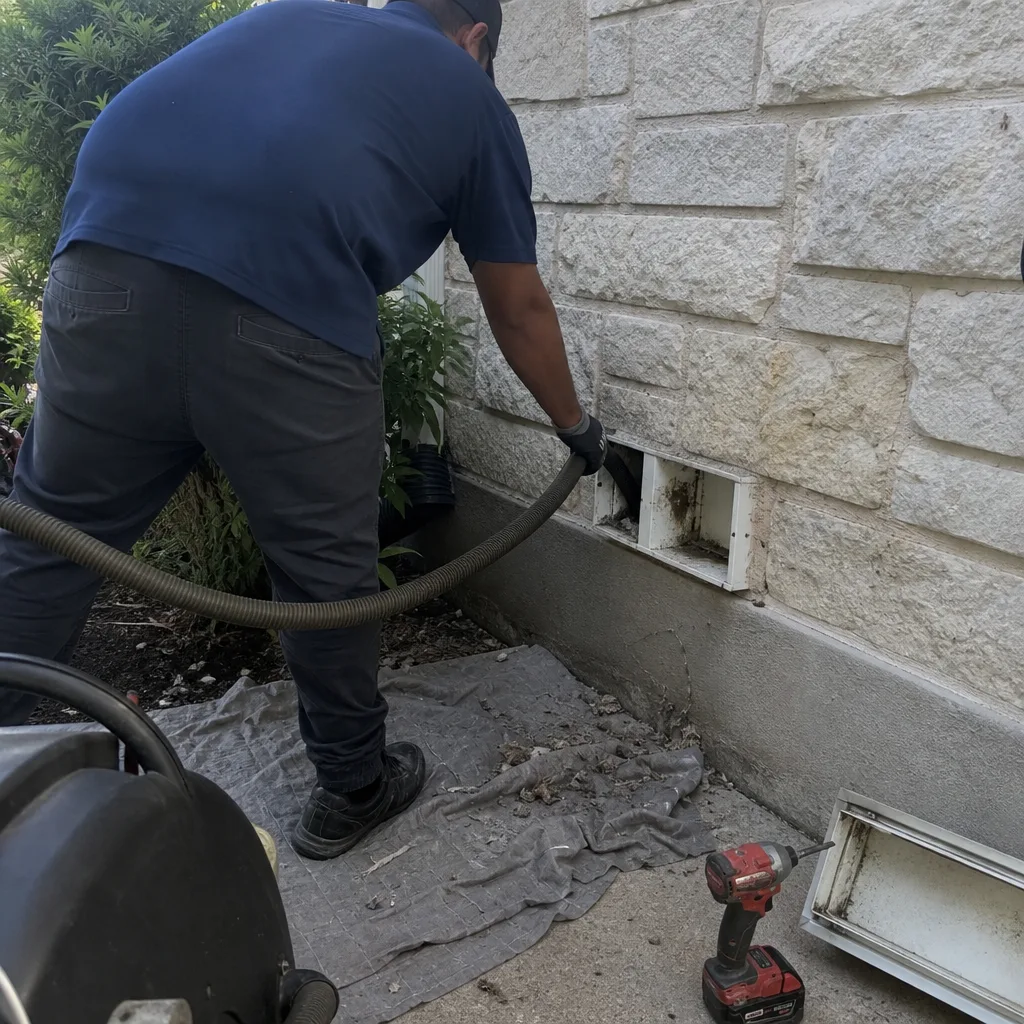 Before
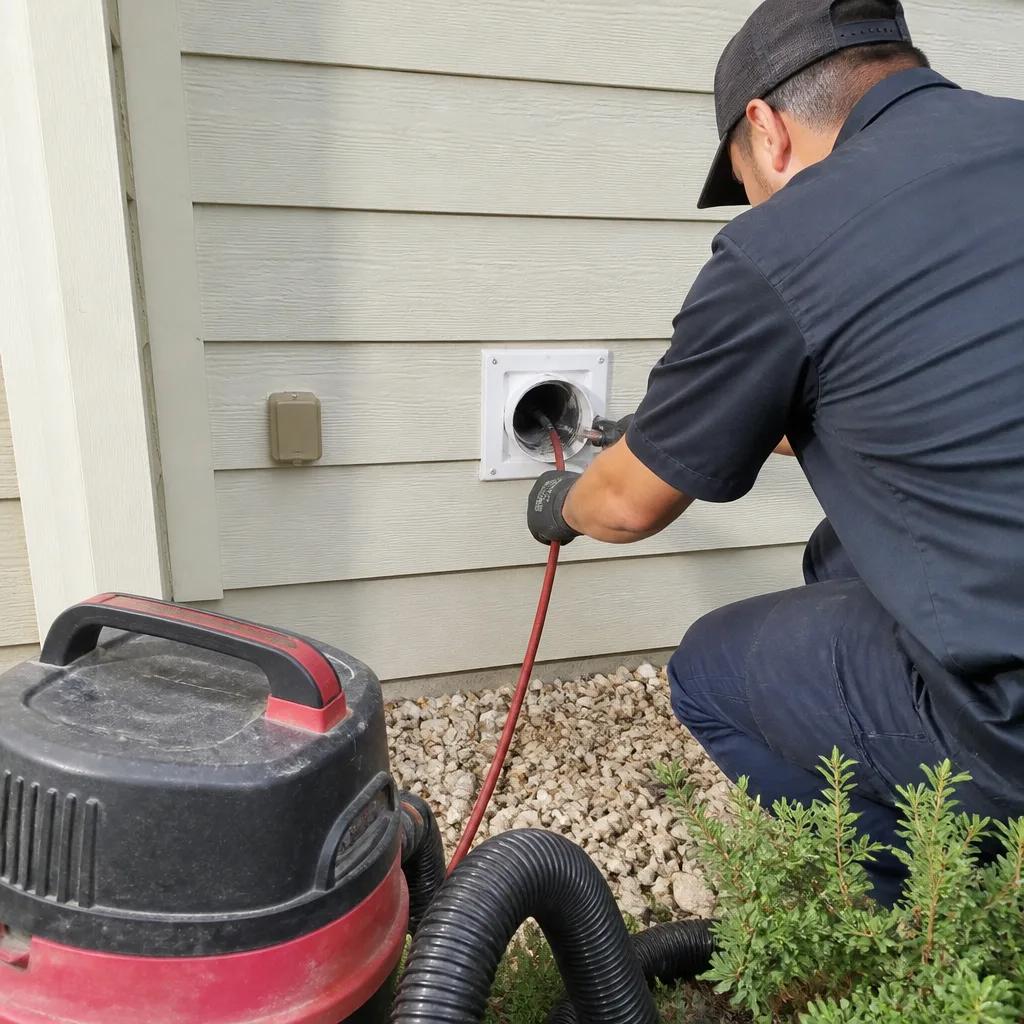 After
AfterReplacement Cost & What’s Included
For Austin homes, expect whole-system register and grille cleaning to run between $120 and $280, with most houses landing in the $180 to $220 range. That includes every supply register and return grille in the home, the boot behind each one, and the first few feet of duct at each opening. The range depends on the number of registers (an 1,800-square-foot house typically has 10 to 14 of them) and whether any registers need replacement rather than cleaning. A new Honeywell-compatible stamped-face steel register runs $18 to $35 depending on size; adjustable aluminum models run $22 to $45.
The price you get from us is the price you pay. It’s written down before we touch a single vent, and it includes labor, materials, and cleanup. If we find a register that needs replacement during the job, we show you the old one, show you the replacement, and the cost is confirmed with you before we swap it. No door-step revisions. No surprise line items. That’s the Kingswell Way, and it’s been our standing practice since 2004.
Every register and grille cleaning job carries our 365-Day Done Right Promise in writing. If you find a register we missed or a boot we didn’t clean properly within a year, we come back and make it right at no charge. That’s not a courtesy; it’s documented on your invoice.
DIY or Call Us?
You can safely pop a Honeywell register off the wall or floor with a screwdriver, wipe down the face with warm water and a mild degreaser, and vacuum the first inch or two of the boot opening. That’s a reasonable Saturday-morning job and it helps between professional cleanings. What you can’t do safely or effectively from a ladder is remove the caked-on debris deeper in the boot and the duct run behind it. That requires negative-air extraction, which means sealing the system and pulling debris out under vacuum so it doesn’t just get loosened and blown into your living space. We use Rotobrush rotary brush agitation to break debris loose at the duct wall, paired with a Nikro negative-pressure unit that pulls it out of the home, with Abatement Technologies HEPA filtration on the exhaust so nothing escapes into your rooms. That’s the difference between a register that looks clean and a duct run that actually is clean.
Clean ducts move air. Everything else is just noise.
If you’d rather have it done right the first time, call us at (254) 848-6913. We’ll give you a written price before the work starts, show you what we pulled out of your ducts, and leave your registers cleaner than they’ve been since the day they were installed.
FAQs
Every three to five years for most Austin homes, though houses with pets, recent remodeling, or cedar season allergies may need it every two years. Register and grille cleaning happens as part of a full air duct cleaning. If your registers are showing visible film or your airflow is dropping, it’s time regardless of the calendar. Call (254) 848-6913 for an honest assessment and a written quote.
On Honeywell’s adjustable aluminum registers, a bent damper blade or popped linkage isn’t repairable because Honeywell doesn’t sell replacement blade components separately. We’ll confirm it’s actually bent, not just misaligned, and show you the issue before recommending replacement. The replacement cost is confirmed with you before we install anything.
For a standard Austin home with 10 to 14 registers, expect two to four hours from arrival to final walkthrough. The cleaning itself isn’t the long part; it’s the methodical work at each boot and the system sealing for negative-air extraction that takes time. We’ll give you a defined arrival window before we come out.
Yes. We carry the most common Honeywell stamped-face steel and adjustable aluminum sizes on our trucks, including 4×10, 4×12, 6×10, 6×12, and standard return grille sizes. For uncommon dimensions, we order and have the part within two business days. If we have what you need on the truck, we can often complete a register replacement during the same visit as a cleaning. Call (254) 848-6913 and we’ll tell you what’s available.
Written by Dale Whitmore, Owner, Kestrel Air Duct Austin at Kestrel Air Duct Austin, serving Austin and nearby areas.