
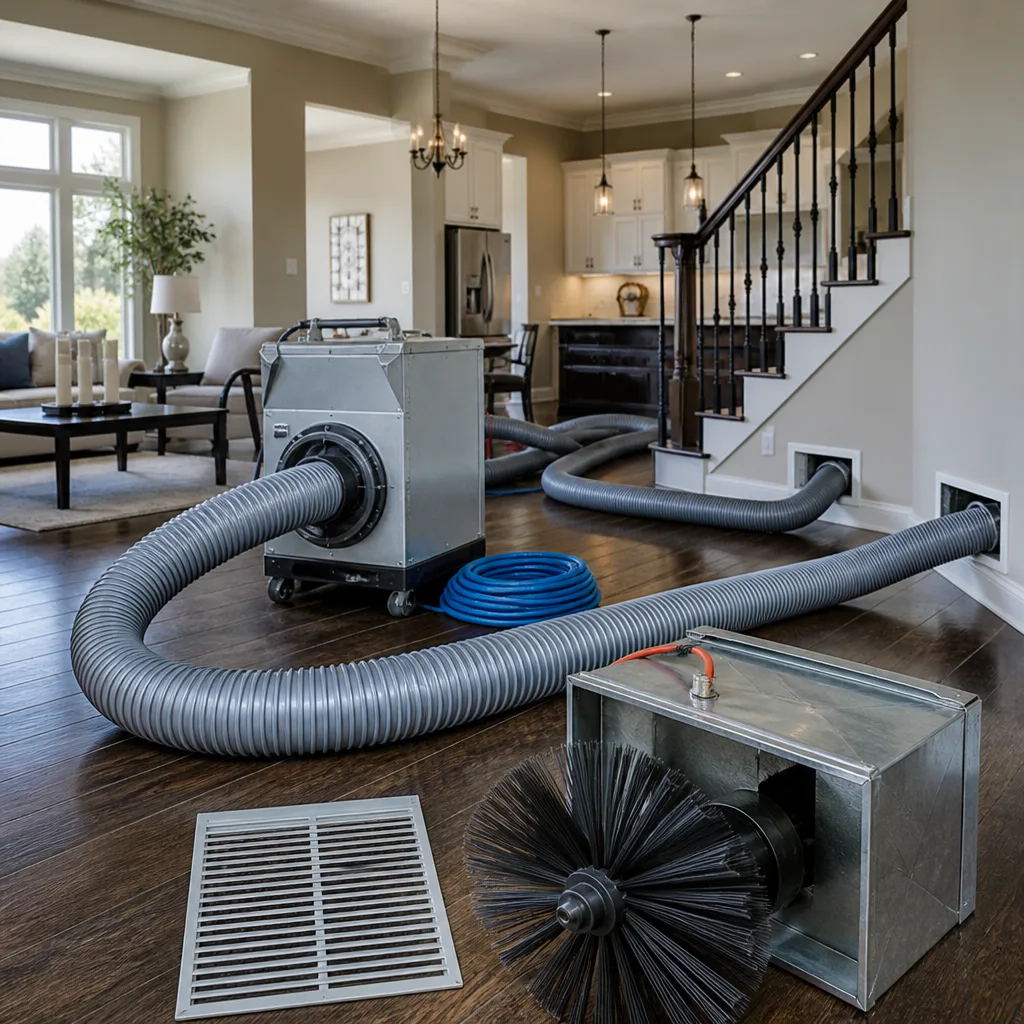
 Whole-home duct cleaning
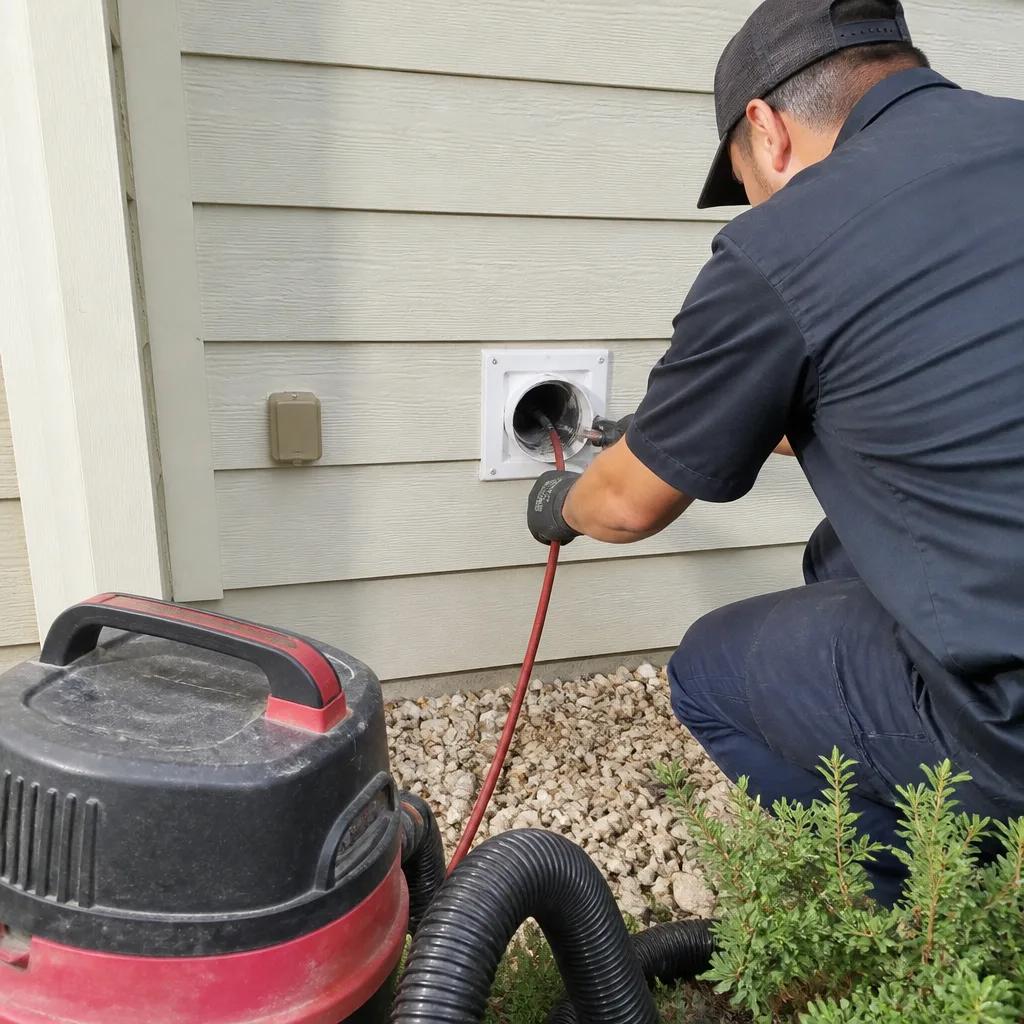
 Dryer vent cleaning
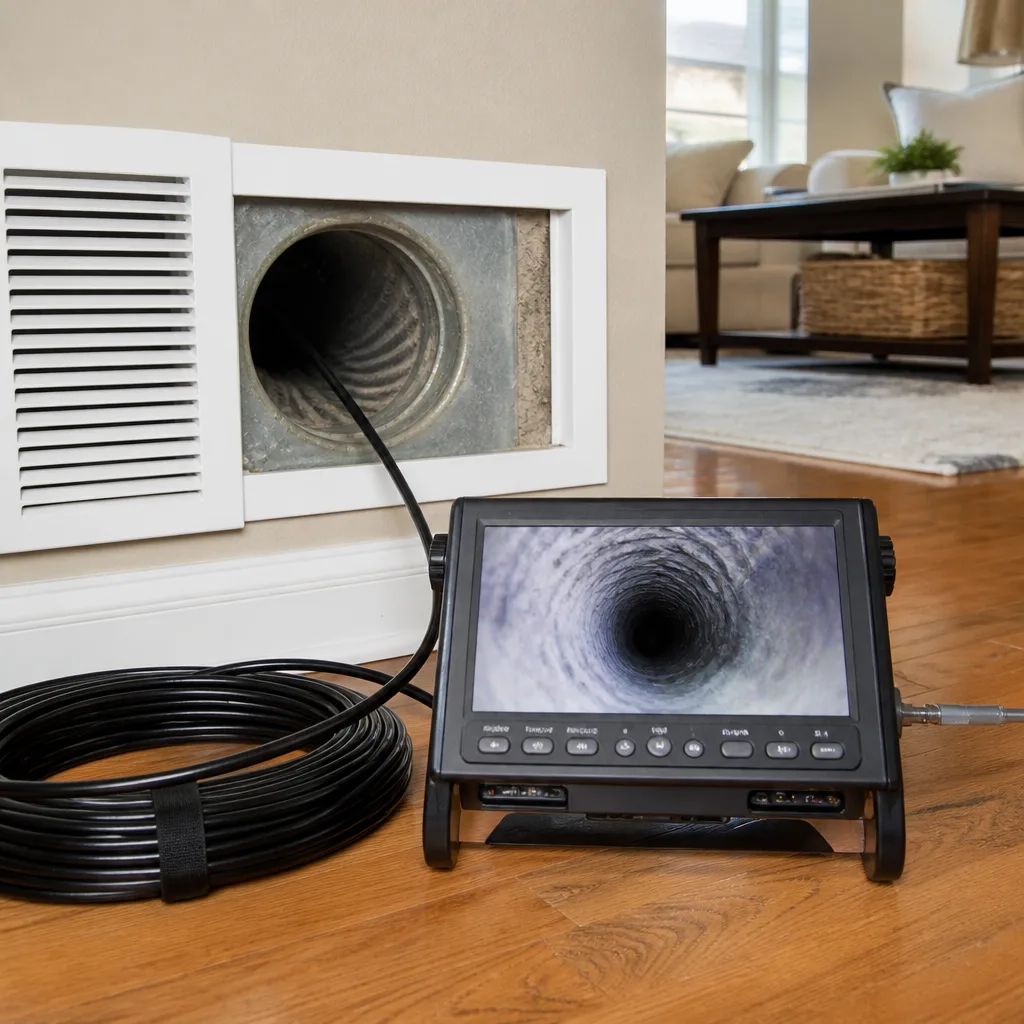 Camera inspection
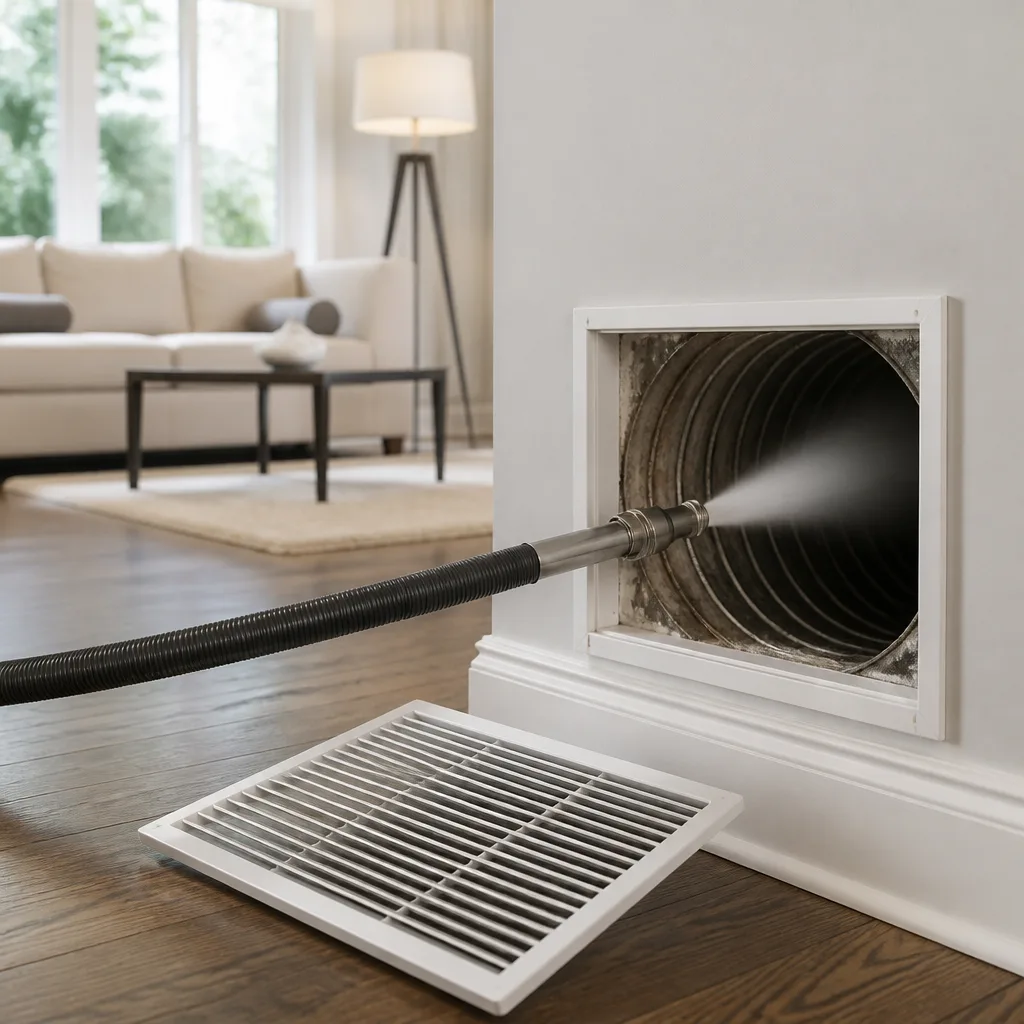 Sanitizing & deodorizing
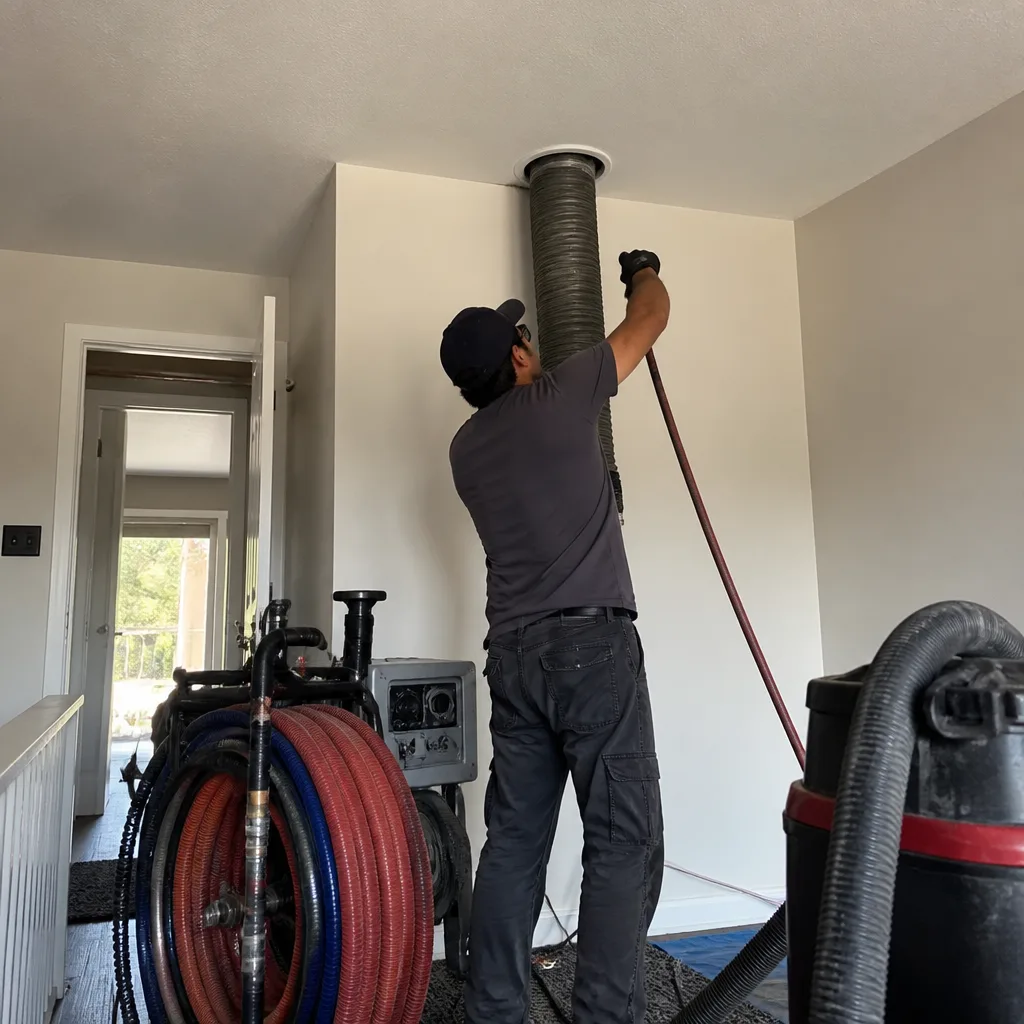
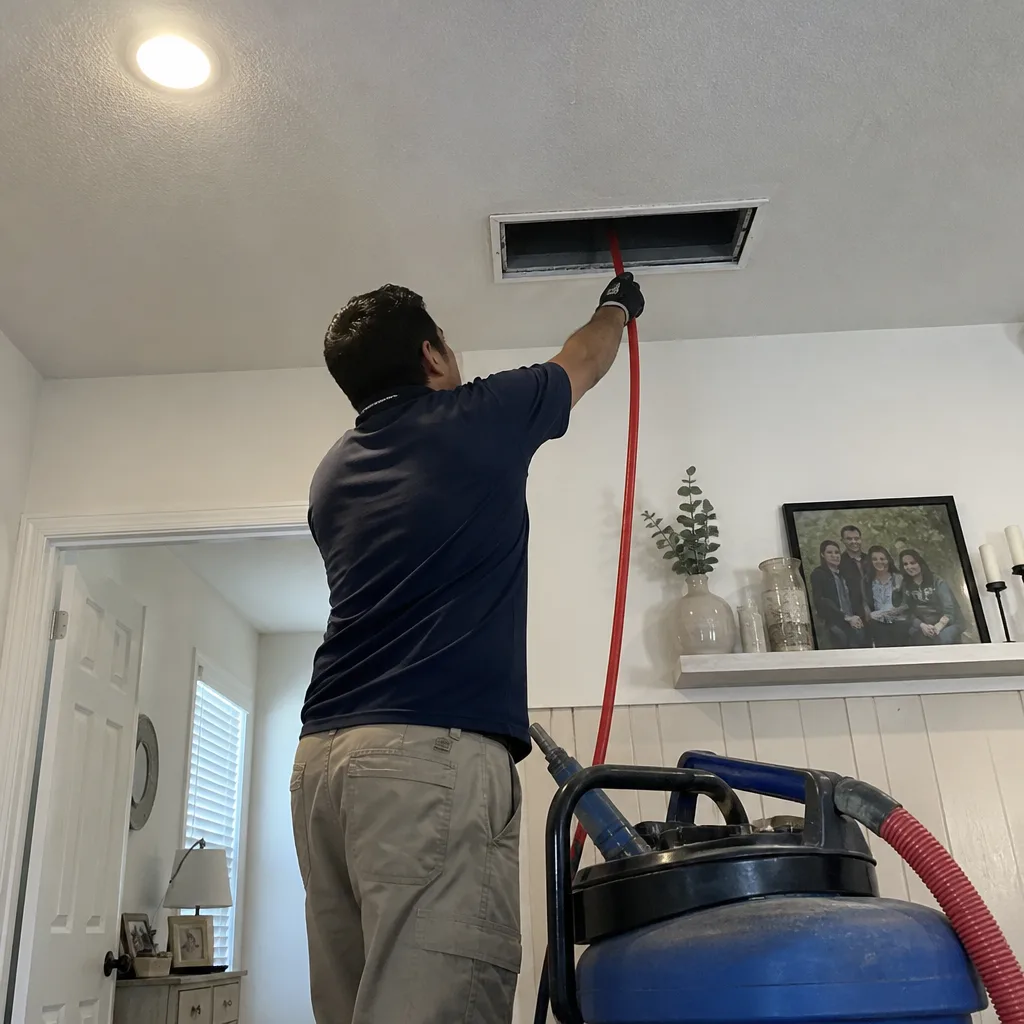
Whole-system duct and dryer vent check with before-and-after photos - you see exactly what came out of your vents
That "$99 whole-house special" is a bait ad - the real number appears once they are in your hallway, or the "clean" is a shop-vac at the register. We photograph the inside of your ducts before and after instead.
Guardsman Register & Grille Cleaning: The Austin Owner’s Guide
We stock and install Guardsman-compatible registers and grilles across Austin, with most replacements running between $85 and $240 per register installed, parts and labor included. Our trucks carry common Guardsman sizes, so we can usually swap a failed register the same day we arrive. Homeowners typically discover the problem when a register won’t sit flush in the floor opening anymore, the damper wheel spins without moving the louvers, or the finish has worn through to bare metal after years of Texas dust and foot traffic.
Registers and grilles take more abuse than any other visible part of your HVAC system. They get stepped on, vacuumed over, kicked by kids, and baked by Austin’s summer heat radiating through the floor. When a Guardsman register fails, it’s rarely the ductwork behind it that’s the problem. It’s the mechanical bits up top: the louver mechanism, the damper control, or the frame that’s bent just enough to rattle every time the blower kicks on.
Which Guardsman Models This Applies To
Guardsman registers and grilles come in three common configurations: steel floor registers with adjustable louvers, stamped-face wall and ceiling grilles with fixed louvers, and return-air grilles with a filter track built into the frame. The compatibility gotcha most Austin homeowners hit is the damper style. Older Guardsman floor registers use a metal-to-metal damper stamped directly into the frame, while newer models use a separate plastic damper assembly that clips inside the collar. They are not interchangeable, even though the face dimensions look identical at a glance.
Before you order anything, flip the register over. The Guardsman part number is stamped on the underside of the frame or on the damper blade itself, usually a three-to-five digit number followed by the dimensions: something like G-402 or REG-4X10. Measure the rough opening, not the face plate. A register sold as “4×10” refers to the duct opening it drops into, while the face plate will be roughly an inch larger in each direction. Getting that measurement wrong is the single most common reason a replacement doesn’t fit in Austin homes, where floor openings in older slabs were sometimes cut by hand and run a quarter-inch off nominal size.
For OEM versus aftermarket: Guardsman-branded registers are solid, mid-market steel parts. Quality aftermarket equivalents from brands we stock match the gauge and finish well enough that most homeowners can’t tell the difference once installed. The one place we recommend sticking with OEM is a return grille with an integrated filter track, because aftermarket versions often have a slightly shallower track that lets a 1-inch filter rattle loose when the system pulls hard.
Styles & brands we work with
Signs Your Guardsman Register & Grille Cleaning Is Failing
- Louvers that won’t hold position. The friction points where the blades pivot wear out over time, so the louvers droop or slam shut when air pushes through them. This usually means the stamped metal tabs have lost their spring tension, not that the whole register needs replacement, but on cheaper models the tab is integral to the frame and can’t be re-tensioned.
- A persistent rattle when the blower runs. In most cases the register frame has loosened from the floor or ceiling opening, and the fix is re-seating it with fresh screws. If the rattle persists with the frame tight, the damper blade itself has come loose from its pivot and is oscillating in the airflow.
- Finish worn through to bare metal. Austin’s dry climate means dust is abrasive, not muddy. Years of foot traffic grind the powder coat off floor registers, especially in hallways and doorways. Once bare steel is exposed, surface rust follows within a season, even indoors, because humidity from crawlspaces pushes up through the opening.
- The register won’t sit flush anymore. A bent frame corner or a duct opening that’s been knocked out of square means the register rocks when you step on it. If it’s a wall or ceiling grille, the same symptom usually points to a stripped screw hole in drywall, which is a five-minute fix with a toggle anchor.
- Airflow noticeably weaker in one room. When a damper fails in the closed position or the louvers jam, that room goes starved. You’ll feel the temperature difference before you see anything wrong, and it’s common for one bedroom in Austin homes to sit six or eight degrees off the rest of the house because a floor register isn’t actually open even though the lever says it is.
Replacement Cost & What’s Included
For Guardsman-compatible register and grille replacement in Austin, most single-register jobs run between $85 and $240 installed. Standard stamped steel floor registers in common sizes sit at the low end of that range. Heavy-gauge or oversized registers, return grilles with filter tracks, and anything in a custom size push toward the top. Whole-home replacement, where every register and return grille in the house gets swapped at once, typically runs $600 to $1,500 depending on count and sizes.
- Parts: $25 to $90 per register, depending on size, gauge, and finish
- Labor: $60 to $150 per register for removal, opening adjustment if needed, and clean installation
- Whole-home packages: $600 to $1,500, includes all registers and returns
You get a written price before we touch anything, and that price does not change at the door. The labor includes cleaning up the opening, setting the new register level, and correcting any loose duct collar connection immediately below the floor. Every installation is covered by our 365-Day Done Right Promise: if the register loosens, rattles, or fails within a year, we come back and make it right at no charge. That guarantee is in writing on every job, not something we mention in passing.
See the difference
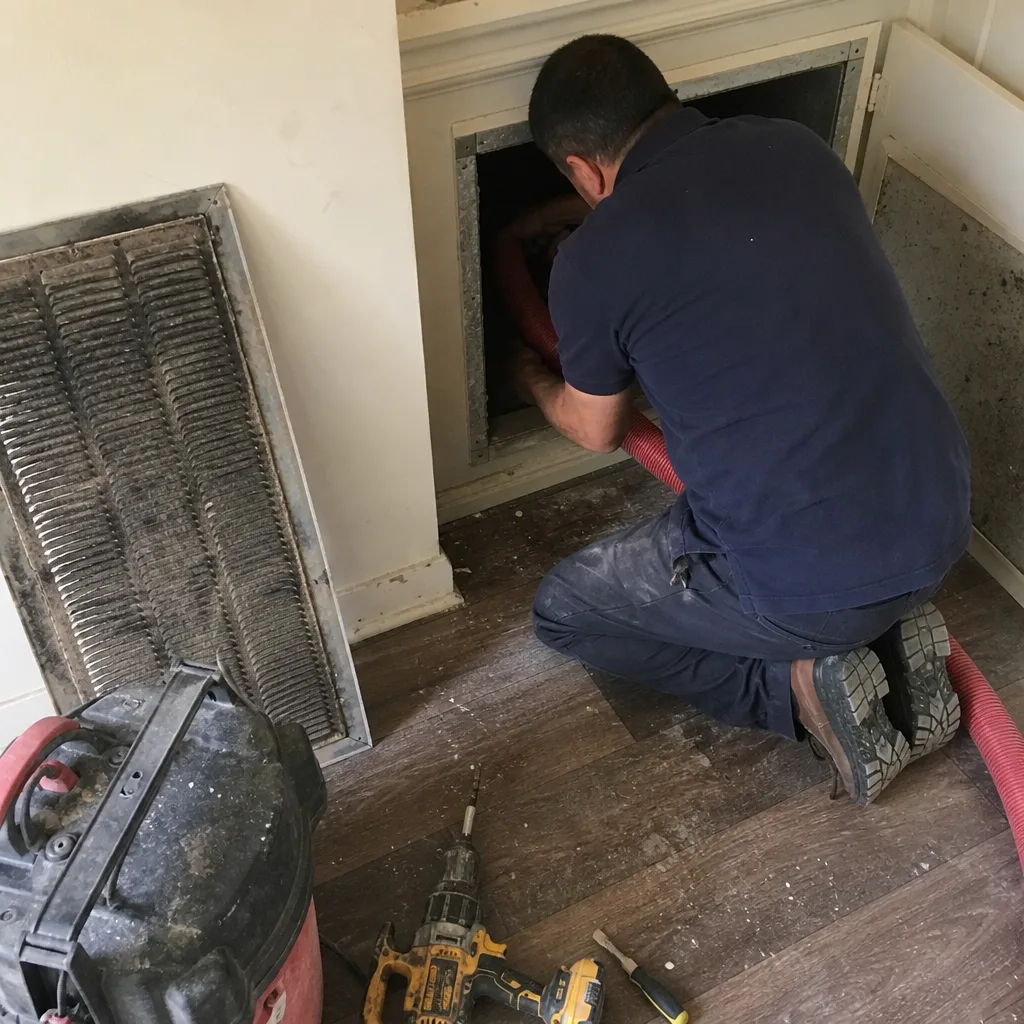 Before
 After
After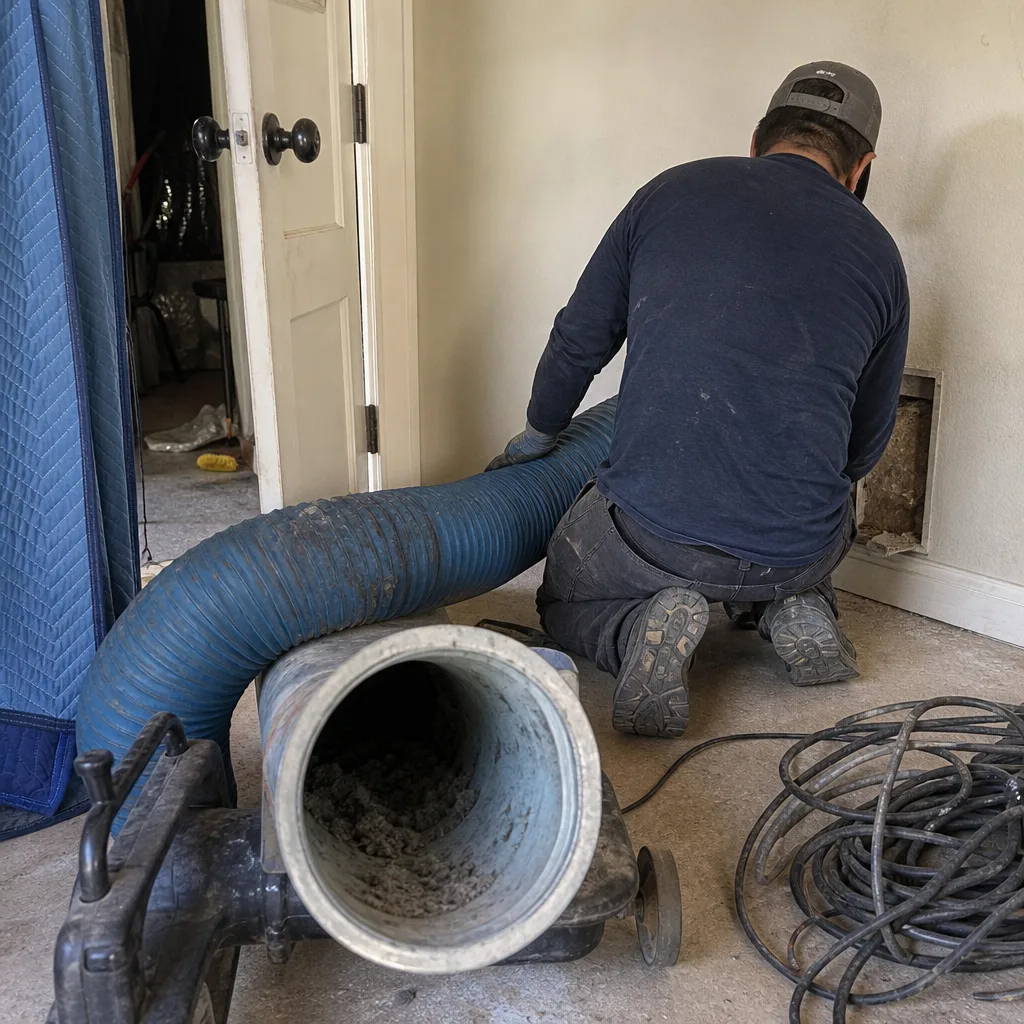 Before
 After
After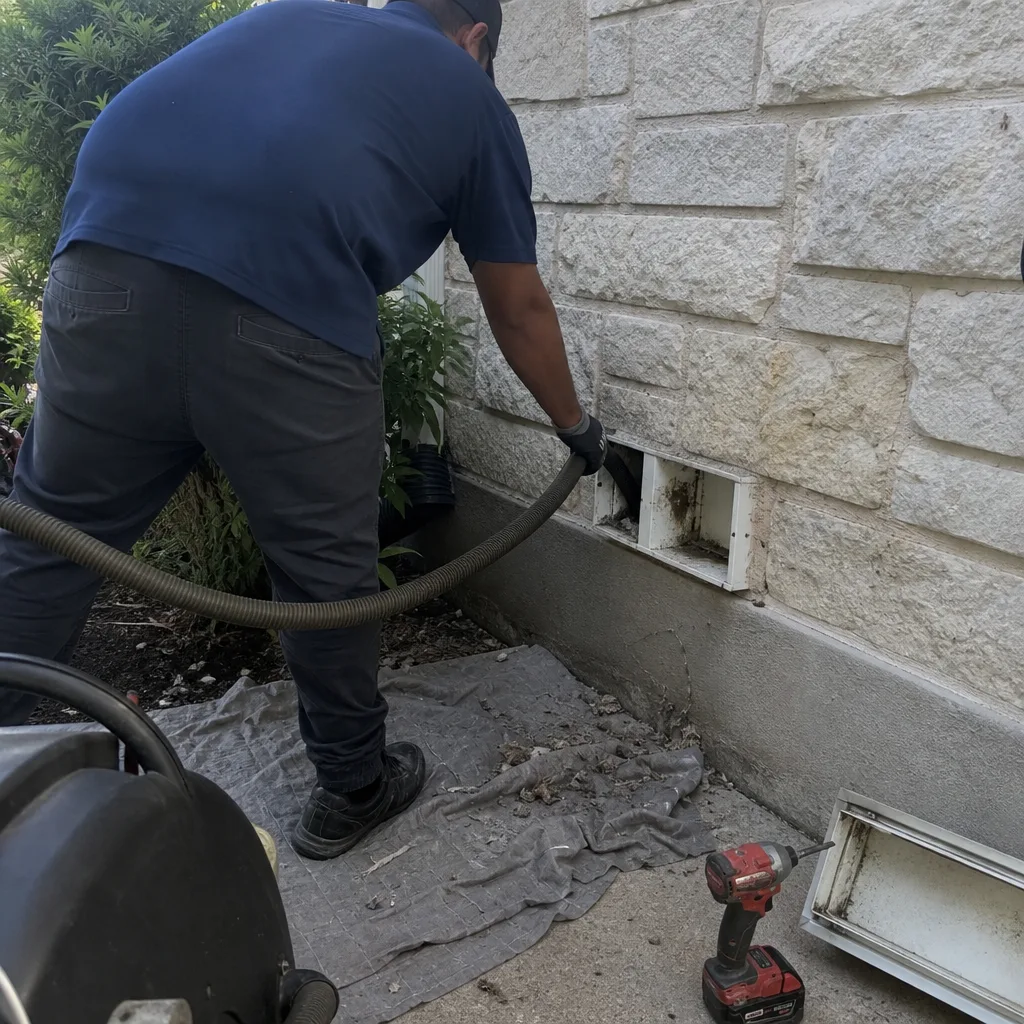 Before
 After
AfterDIY or Call Us?
Replacing a floor register is one of the safer DIY jobs in your HVAC system. There’s no electricity involved, nothing under tension, and the part lifts straight out of the opening. What you can safely check yourself: pull the register, measure the rough opening in both directions, check the stamp on the underside for a part number, and note whether the damper is a plastic clip-in or a stamped metal assembly. That information is enough to get an exact quote over the phone.
Where DIY goes wrong in Austin is duct fit. The opening in the floor is the top of a duct boot, and over time those boots shift, especially in slab foundations that move with our expansive clay soil. If a new register drops in too loose or too tight, forcing it usually damages the boot lip, and then you’re chasing an air leak behind the wall or under the floor. That’s a different problem than a bad register. If your old register came out hard, or the opening looks out of square, call us at (254) 848-6913 before you order anything. We’ll tell you honestly whether it’s a drop-in job or something that needs the opening re-set.
FAQs
In Austin’s dry, dusty climate, a mid-grade steel register in a hallway or doorway typically lasts 8 to 15 years before the finish fails or the damper loses tension. Wall and ceiling grilles last longer because they don’t get foot traffic. Registers in bedrooms with carpet around them tend to last longest of all, since the carpet edge takes most of the wear. Call (254) 848-6913 if you’re replacing registers more often than that; it usually means something below the floor is pushing dust or moisture up through the opening.
Sometimes, and we’ll tell you straight when it’s worth it. If the frame is solid and the only issue is a stripped screw hole or a loose damper clip, a repair makes sense and costs less. If the louver tension tabs are worn out or the frame is bent, repair labor exceeds the cost of a new register, and we’ll say so. Call (254) 848-6913 and describe what you’re seeing; we’ll give you an honest read over the phone before anyone drives out.
A standard floor register swap takes about 20 to 30 minutes per register from start to finish, including cleaning up the opening and checking the duct boot connection below. A whole-home replacement with return grilles included is usually a half-day job. If we find the boot itself damaged when we pull the old register, we’ll show you what we found before doing anything beyond what was quoted.
We keep the most common Guardsman and Guardsman-compatible sizes on our trucks: 4×10, 4×12, 6×10, 6×12, and the standard return grille sizes. Odd sizes and custom finishes we order for the next visit, and we’ll confirm availability and pricing before you commit to anything. We also stock compatible parts for Lennox, Trane, and Carrier systems, so if your register issue turns out to be something upstream, we’re already prepared for it.
Get Your Guardsman Registers Replaced Right
If you’ve got a Guardsman register that rattles, won’t sit flush, or has worn through to bare metal, call us at (254) 848-6913. You’ll get a live person on the phone, a straight answer about whether it’s a repair or a replacement, and a written price before we step foot in your house. Clean ducts move air. Everything else is just noise.
Written by Dale Whitmore, Owner, Kestrel Air Duct Austin at Kestrel Air Duct Austin, serving Austin and nearby areas.