

Last updated October 15, 2026
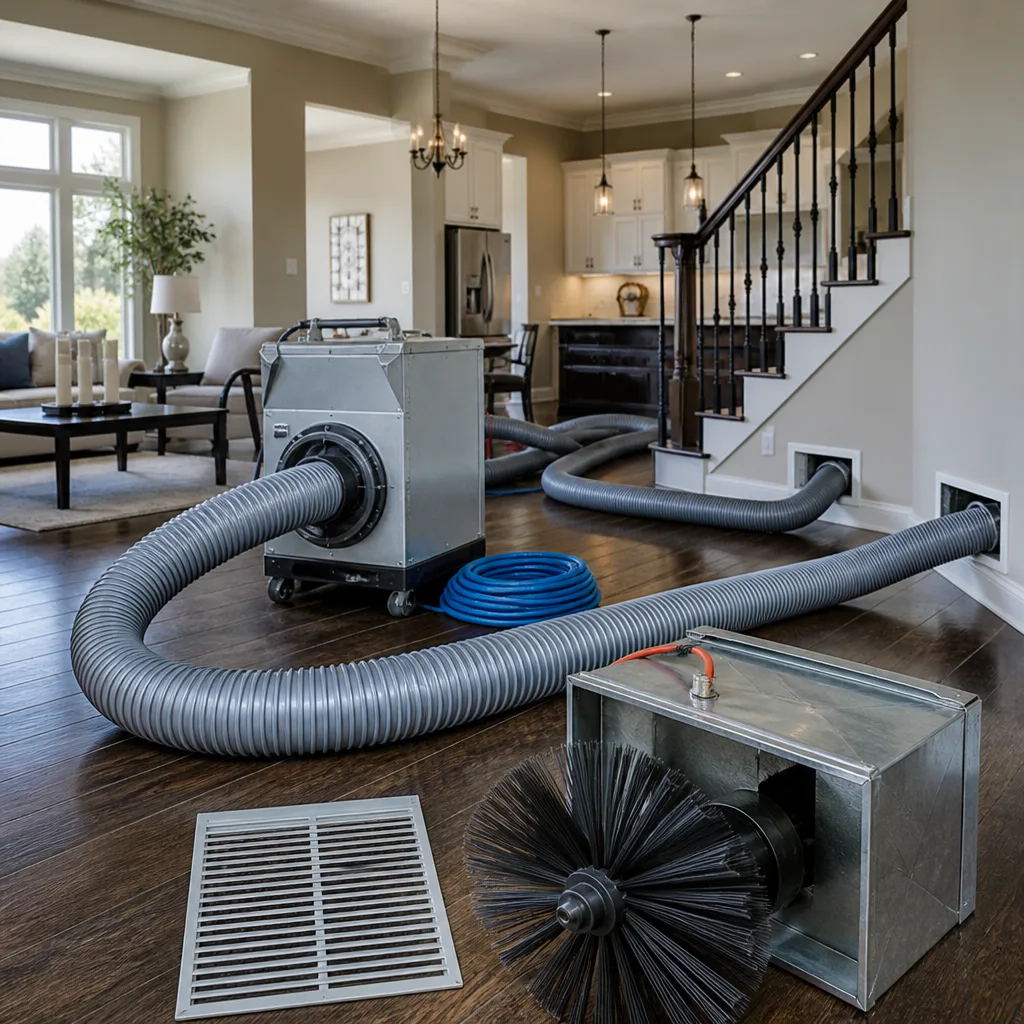 Whole-home duct cleaning
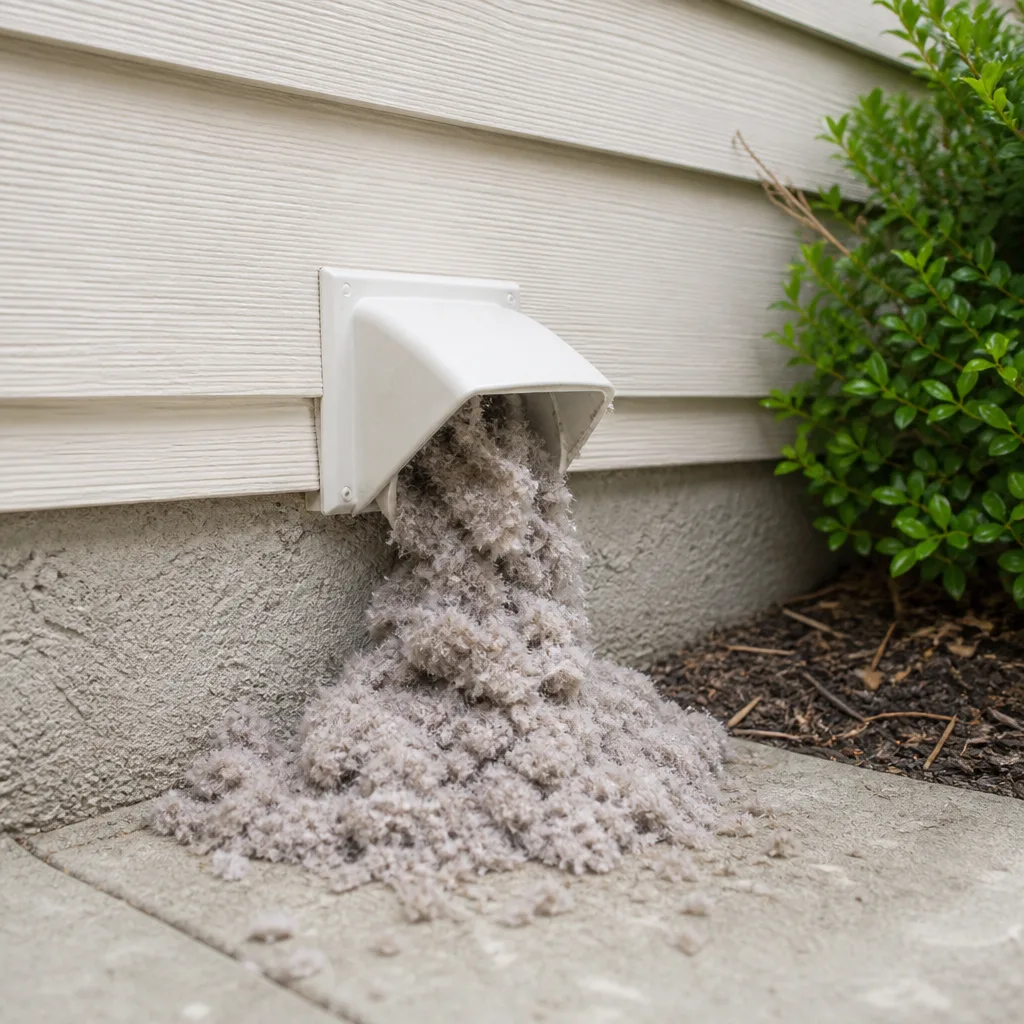 Dryer vent cleaning
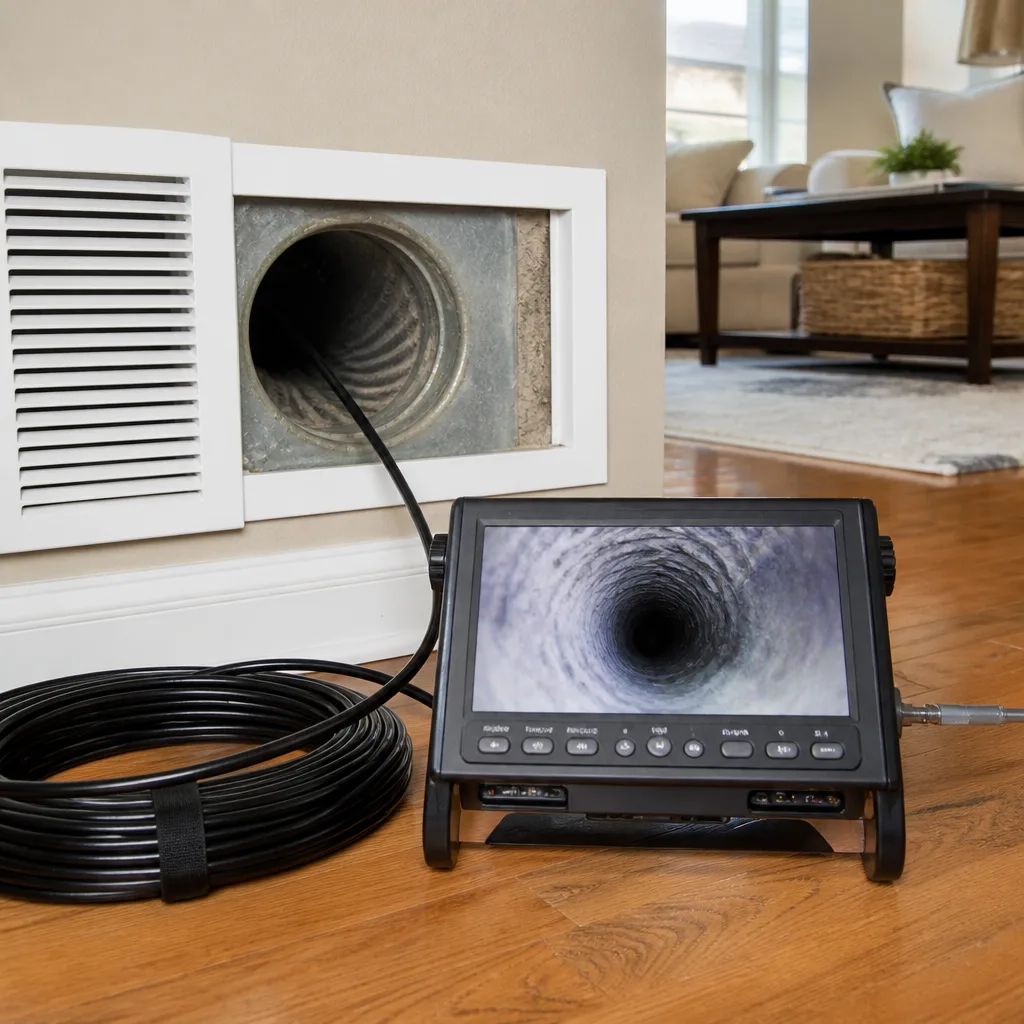 Camera inspection
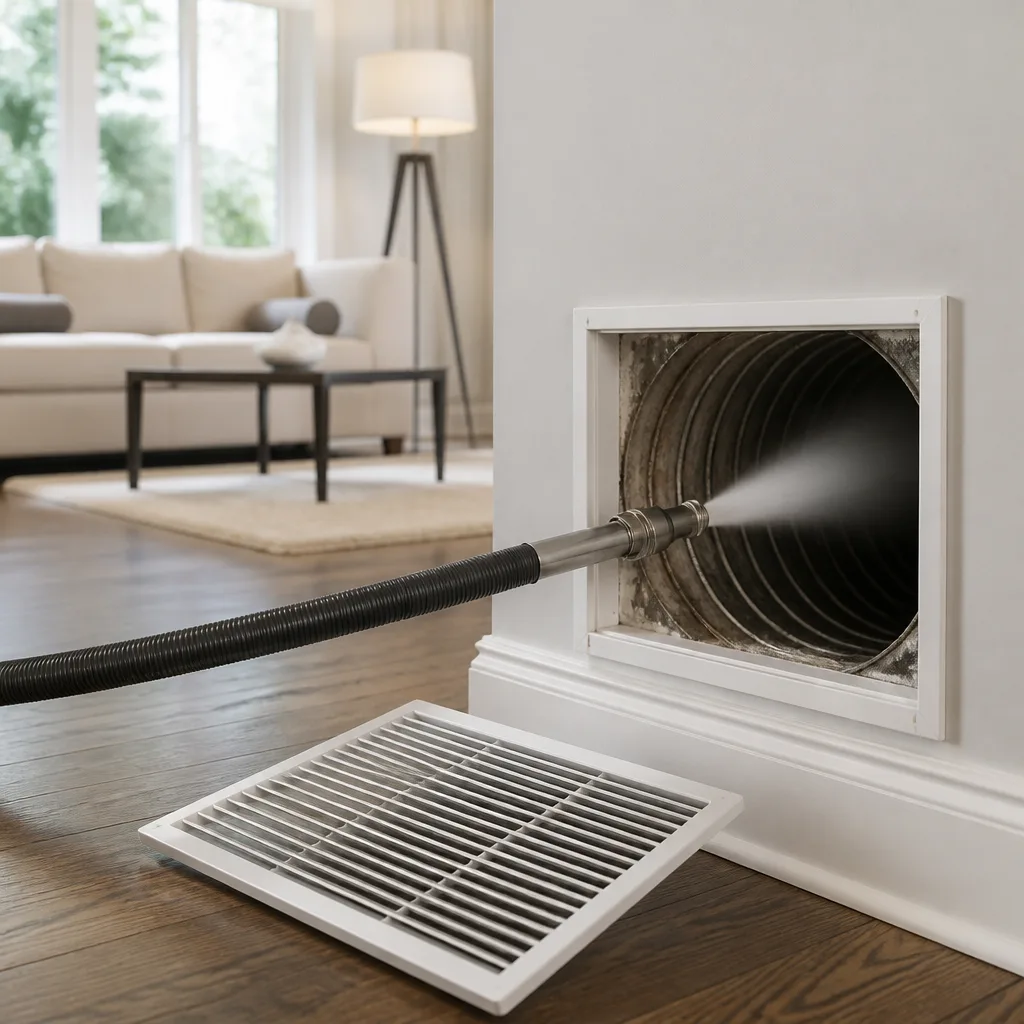 Sanitizing & deodorizing
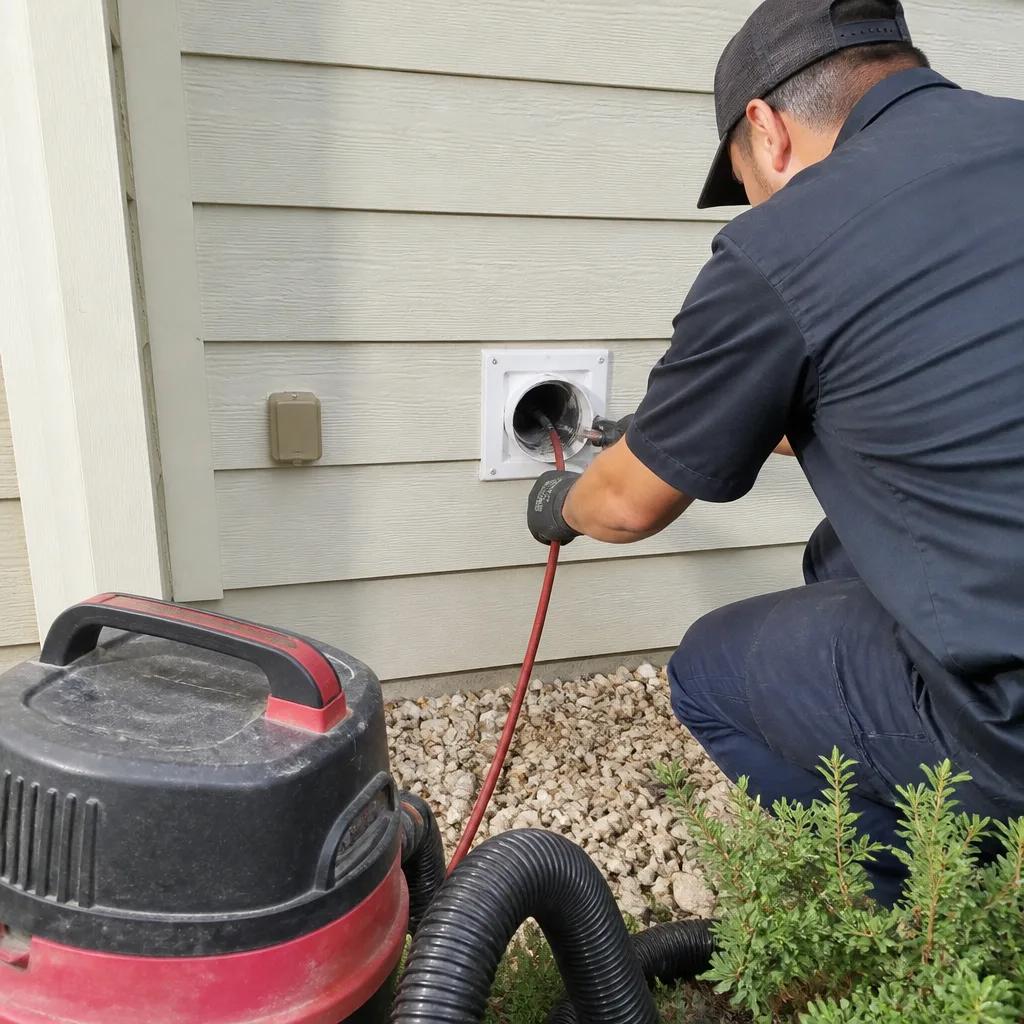
Whole-system duct and dryer vent check with before-and-after photos - you see exactly what came out of your vents
That "$99 whole-house special" is a bait ad - the real number appears once they are in your hallway, or the "clean" is a shop-vac at the register. We photograph the inside of your ducts before and after instead.
Air Duct Cleaning Permits, Codes & Inspections in TX: What You Need to Know
Here’s something most Austin homeowners don’t realize until it’s too late: the duct cleaning crew you hired to “just clean the ducts” can cross into unpermitted mechanical work without you ever knowing it happened. The moment a technician applies mastic sealant to a leaking joint, reroutes a section of flex duct, or replaces a damaged boot, Texas code treats that as mechanical alteration, not cleaning. And if that work was never permitted or inspected, and later becomes part of an insurance claim or a home sale, you’re the one holding the problem. This guide-along with The Complete Guide to Air Duct Cleaning in Austin-walks you through exactly where the line sits in Texas, how Austin’s local amendments shift it, and what to ask any contractor before they set foot in your attic.
Quick Answer
Air duct cleaning alone does not require a permit in Texas. The permit requirement triggers when work moves beyond cleaning into sealing, modifying, replacing, or rerouting ductwork, at which point Texas mechanical code and Austin Energy rules apply. Before any crew starts, ask them to state in writing whether their scope includes anything beyond cleaning, and if it does, who pulls the permit.
Styles & brands we work with
Table of Contents
- The Texas Code Distinction: Cleaning vs. Repair vs. Replacement
- How Austin’s Local Amendments Change the Rules
- Duct Sealing: Mastic, Foil Tape, and Aerosol
- Austin Energy Rules and Rebate Inspections
- Questions to Ask a Contractor Before Work Begins
- What Happens When Unpermitted Duct Work Shows Up in a Home Sale
- Insurance Implications of Unpermitted Mechanical Work
- DIY Duct Work in Austin: What Homeowners Can and Cannot Do
The Texas Code Distinction: Cleaning vs. Repair vs. Replacement
The Texas Mechanical Code, which adopts the International Mechanical Code with state-specific amendments, draws a clear line between maintenance activities and mechanical work requiring a permit. Cleaning falls on the maintenance side. A technician can insert a rotating brush, run negative-pressure extraction equipment, and remove accumulated debris from the interior of existing ducts without triggering any permit requirement. No code section governs how clean a duct must be, and no inspection follows a cleaning job.
Repair and replacement sit on the other side of the line. If a technician removes a damaged section of duct and installs a new piece, that’s replacement. If they apply sealant to close leaks, that can be classified as repair. If they reroute ductwork to improve airflow, that’s alteration. In Austin, any of these activities on a mechanical system typically requires a permit through the City of Austin Development Services Department, and the work must pass inspection by a licensed mechanical inspector.
The distinction matters because contractors sometimes blur it. A crew that says they’ll “seal a few leaks while we’re in there” as part of a cleaning visit has just moved from a no-permit activity to a permit-required one. The homeowner rarely knows this happened until something goes wrong later.
- Cleaning: No permit required. Includes brush agitation, negative-air extraction, debris removal, and sanitizing the interior of existing ducts.
- Sealing: Permit required in Austin when performed as a repair or modification to the mechanical system. This includes mastic application, foil tape sealing, and aerosol duct sealing.
- Replacing sections: Permit required. Any time a component is removed and a new one installed, the mechanical code governs.
- Rerouting or resizing: Permit required. Changing the configuration of the duct system is an alteration, not maintenance.
How Austin’s Local Amendments Change the Rules
Austin is one of several Texas cities that adopt the International Residential Code with locally specific amendments, and those amendments affect attic ductwork in ways that surprise homeowners, particularly in homes built after 2012. The city enforces energy efficiency requirements that go beyond the state baseline, and duct systems are a significant part of that enforcement.
Homes built in Austin after 2012 fall under more stringent duct leakage testing requirements than older homes. The city’s energy code amendments require that duct systems in new construction and major renovations pass a duct leakage test before a certificate of occupancy is issued. When a contractor modifies a duct system in one of these homes, the permit process can trigger a requirement to verify that the entire system still meets the leakage threshold, not just the section that was touched. That’s a meaningful consideration for a homeowner who assumed a small repair would be a quick, simple job.
The Austin climate also plays a role in how code provisions are enforced. Attic temperatures in July routinely exceed 140 degrees, and ducts in unconditioned attics lose efficiency when not adequately sealed and insulated. Austin inspectors pay attention to duct work in attics because the local energy load from leaky ducts is substantial. A permitted duct modification in an Austin attic will typically require verification that the work did not compromise the building envelope or the thermal performance of the system.
For homes built before 2012, the standard is somewhat different. The code in effect at the time of original construction generally governs, but any new work must comply with current code. That means even a home built in the 1980s can have post-2012 requirements apply to a duct modification performed today.
Duct Sealing: Mastic, Foil Tape, and Aerosol
Duct sealing is where Austin homeowners most frequently stumble into permit territory without realizing it. There are three common sealing methods, and they do not all carry the same code implications.
Mastic sealing is the manual application of a paste-like sealant to duct joints and seams. When a technician applies mastic to close a visible leak, that’s a mechanical repair. In Austin, that work requires a permit when it’s performed as a standalone repair or modification. Some contractors argue that small amounts of mastic applied during a cleaning visit are incidental, but the city’s mechanical inspectors do not draw that distinction. If the work alters the duct system’s integrity, it’s repair.
Foil tape is sometimes used as a quick fix for minor gaps. The same logic applies: applying foil tape to seal a duct joint is a repair activity. It’s less durable than mastic over time, but for code purposes, the permit question turns on whether the work modifies the system, not on how long the material lasts.
Aerosol duct sealing, the Aeroseal-type process, is a different matter. This method pressurizes the duct system and injects a sealant mist that accumulates at leak points from the inside. In Austin, aerosol sealing is considered a mechanical modification and carries specific inspection and energy compliance obligations, particularly when done through Austin Energy’s rebate programs. We’ll get to those requirements in the next section.
The practical takeaway for homeowners: if a contractor’s scope includes “sealing,” ask what method they’ll use and whether they’ll pull a permit. If they say a permit isn’t needed for sealing, ask them to put that in writing and explain how they classify the work. You want that answer documented before the work happens, not after.
Austin Energy Rules and Rebate Inspections
Austin Energy operates its own efficiency programs that interact with duct work in ways the state code does not. When a homeowner uses an Austin Energy rebate for duct sealing or duct replacement, the utility requires that the work be performed by a participating contractor and that the project pass a post-installation inspection or verification process.
The Austin Energy duct sealing rebate program typically requires a duct leakage test before and after the sealing work. The before-test establishes the baseline leakage; the after-test confirms that the sealing achieved the minimum improvement threshold. Austin Energy may send its own inspector to verify the work or require documentation from a certified third-party tester. That inspection is separate from the city’s mechanical permit inspection, and homeowners should understand that one does not substitute for the other.
Aerosol duct sealing through Austin Energy’s program has additional documentation requirements. The utility wants to see that the sealing method achieved measurable leakage reduction, not just that a technician says it did. That means the post-sealing test results become part of the rebate file, and those results can be requested later during a home sale or an insurance claim.
What happens if sealed ducts fail a later inspection? The homeowner is responsible for correcting the deficiency. If the original work was permitted, there’s a record trail that can help establish what was done and when. If the work was unpermitted, the homeowner may have to pay for new permits, new inspections, and potentially new sealing work to bring the system into compliance. That’s the hidden cost of the “we’ll just seal it while we’re up there” approach.
We’ve worked on Austin ducts sealed with the wrong materials or sealed without any testing at all. The homeowner gets a bill and a promise, but no documentation, no test results, and no way to verify the work actually reduced leakage. That’s not a cleaning problem; it’s a documentation problem that becomes a legal problem later.
Questions to Ask a Contractor Before Work Begins
The best time to clarify permit responsibility is before the work is scheduled, not after a crew is standing in your hallway. Here’s a step-by-step process we recommend to every Austin homeowner considering duct work of any kind.
- Ask for a written scope of work. The scope should state in plain language exactly what will be done. Look for words like “clean,” “seal,” “repair,” “replace,” “reroute,” and “modify.” If any word beyond “clean” appears, the permit question is now open.
- Ask directly: “Does this scope require a permit in the City of Austin?” Listen carefully to the answer. A contractor who says “we don’t usually pull permits for this” is telling you they’re willing to work without one. A contractor who says “yes, and we’ll pull it” or “no, because the scope is strictly cleaning” is giving you a verifiable answer.
- Ask who is responsible for pulling the permit and scheduling inspections. In Austin, the mechanical contractor performing the work is generally the party who pulls the mechanical permit. If the contractor says the homeowner needs to pull the permit, that’s unusual for this type of work and worth scrutinizing.
- Ask for proof of the contractor’s Texas mechanical license. The Texas Department of Licensing and Regulation issues mechanical contractor licenses. You can verify a license online. If a company can’t produce a license number, that’s a red flag for any work beyond cleaning.
- Ask what happens if the work fails inspection. A real answer includes correction and re-inspection at no additional cost to you. A vague answer means you may be paying twice.
These questions take five minutes to ask and can save you thousands of dollars and months of hassle later. A contractor who answers them comfortably is one who understands the code and operates within it. A contractor who deflects or gets defensive is one whose work may create problems you’ll have to untangle after they’re gone.
What Happens When Unpermitted Duct Work Shows Up in a Home Sale
Austin’s real estate market moves fast, but home inspections still happen, and they still find unpermitted work. Here’s a scenario we’ve seen play out more than once.
A homeowner lists a house in Round Rock or Cedar Park. The buyer’s inspector goes into the attic and notices that a section of ductwork looks newer than the rest, or that mastic has been applied in a pattern that doesn’t match the original installation. The inspector flags it. The buyer’s agent pulls the city’s permit records and finds no permit for mechanical work at that address. Now the seller has a problem.
The buyer has a few options. They can ask the seller to obtain a retroactive permit and pass inspection before closing. They can ask for a price reduction to cover the cost of bringing the work into compliance. They can walk away. None of these outcomes are good for the seller, and all of them stem from work that was probably done years earlier by a contractor who said “you don’t need a permit for this.”
The retrofit process in Austin is not simple. The city will want to see the duct work, verify that it complies with current code, and may require a duct leakage test if the home falls under the post-2012 energy provisions. That costs money and takes time, and it happens while the seller is trying to close a sale.
Even if the sale closes without the permit being addressed, the issue becomes the buyer’s problem eventually. When that buyer sells the home years later, the same unpermitted work may surface again. Unpermitted mechanical work is a cloud on the title of the work itself, not just on one transaction.
Insurance Implications of Unpermitted Mechanical Work
Texas homeowner’s insurance policies generally exclude or limit coverage for damage caused by faulty workmanship, and unpermitted work makes that exclusion easier for an insurer to apply. If a duct modification fails and causes water damage, mold, or a fire, the insurer will investigate whether the work was permitted and inspected. Unpermitted work gives the insurer a clear basis to deny the claim or to subrogate against the contractor.
For example: a duct sealing job goes wrong, the sealant fails, condensation accumulates in the attic, and the homeowner files a claim for water damage to the ceiling. The adjuster asks whether the sealing work was permitted. The homeowner says no. The adjuster now has a coverage defense: the loss was caused by work that was not performed to code, as evidenced by the absence of a permit and inspection.
Even when the claim is not denied outright, the presence of unpermitted mechanical work can reduce the settlement or trigger a reservation of rights letter, which tells the homeowner the insurer is investigating and may not cover the loss. That’s a stressful position to be in, and it’s one that a five-minute conversation about permits before the work started could have prevented.
DIY Duct Work in Austin: What Homeowners Can and Cannot Do
Texas law allows a homeowner to perform certain mechanical work on their own primary residence without holding a contractor’s license, but that exemption does not remove the permit requirement. A homeowner in Austin who replaces a section of duct or applies mastic sealing to their own system is still required to pull a permit and schedule an inspection with the City of Austin Development Services Department.
Here’s what a homeowner can do in Austin without any permit or inspection:
- Clean the interior of existing ducts using a vacuum, brush, or compressed air
- Replace air filters, including upgrading to higher-MERV filtration like Honeywell media filters
- Remove and clean vent registers and grilles
- Inspect their own ducts visually for obvious gaps or disconnections
Here’s what requires a permit even when the homeowner is doing the work:
- Applying mastic or foil tape to seal duct joints and seams
- Replacing any section of duct material
- Rerouting, resizing, or adding new duct runs
- Any modification to the air handler or plenum connections
The homeowner exemption in Texas covers who may perform the work, not whether the work must be permitted. It’s a distinction that trips up motivated DIYers every year in Austin. The fact that you can legally do the work yourself does not mean the city doesn’t need to inspect it.
Common Mistakes to Avoid
- Assuming “cleaning” covers everything the technician does. A cleaning scope does not extend to sealing, repairing, or replacing anything. If the technician does more than clean, the permit framework shifts mid-job, and you may not find out until later.
- Accepting “you don’t need a permit for this” without documentation. Get that statement in writing. If the contractor won’t put it in writing, treat the work as if a permit is required until proven otherwise.
- Signing a work order that includes vague language like “repair as needed.” That’s an open authorization to perform work that may require a permit, without your knowing the specific scope in advance. Strike the language and require a defined scope.
- Skipping the post-work documentation. If a permit was pulled, keep the permit number, inspection report, and any test results in a file. That documentation is worth real money when you sell the home.
- Treating Austin Energy rebates as a substitute for city permits. The utility’s program requirements and the city’s mechanical code are separate. A rebate inspection does not replace a mechanical permit inspection.
- Hiring based on price alone. The lowest bid often comes from a contractor who doesn’t pull permits because permits and inspections add cost. You save on the front end and risk paying far more on the back end when the work surfaces during a sale or claim.
- Letting a cleaning crew “seal a few leaks” as a courtesy. There are no courtesy repairs in code enforcement. If the work modifies the system, it’s a repair, and it needed a permit before the mastic went on.
See the difference
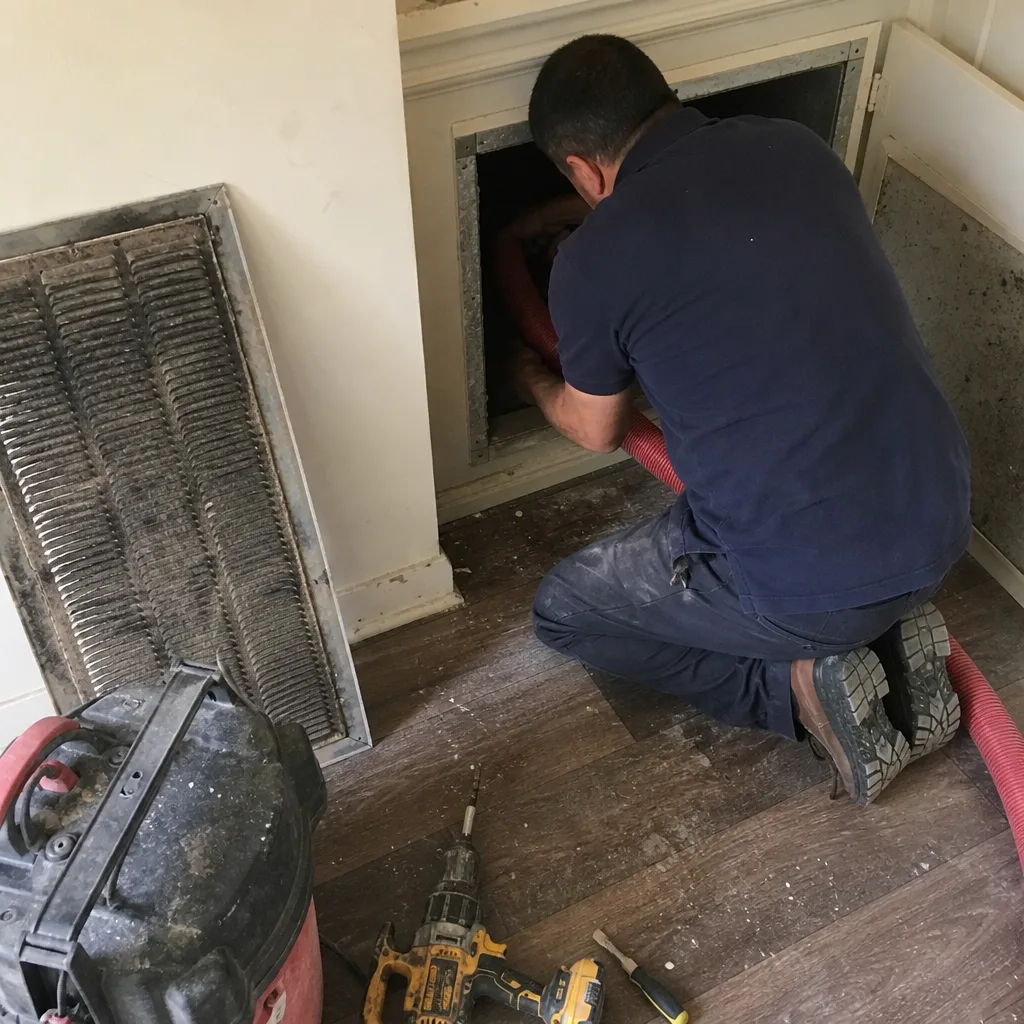 Before
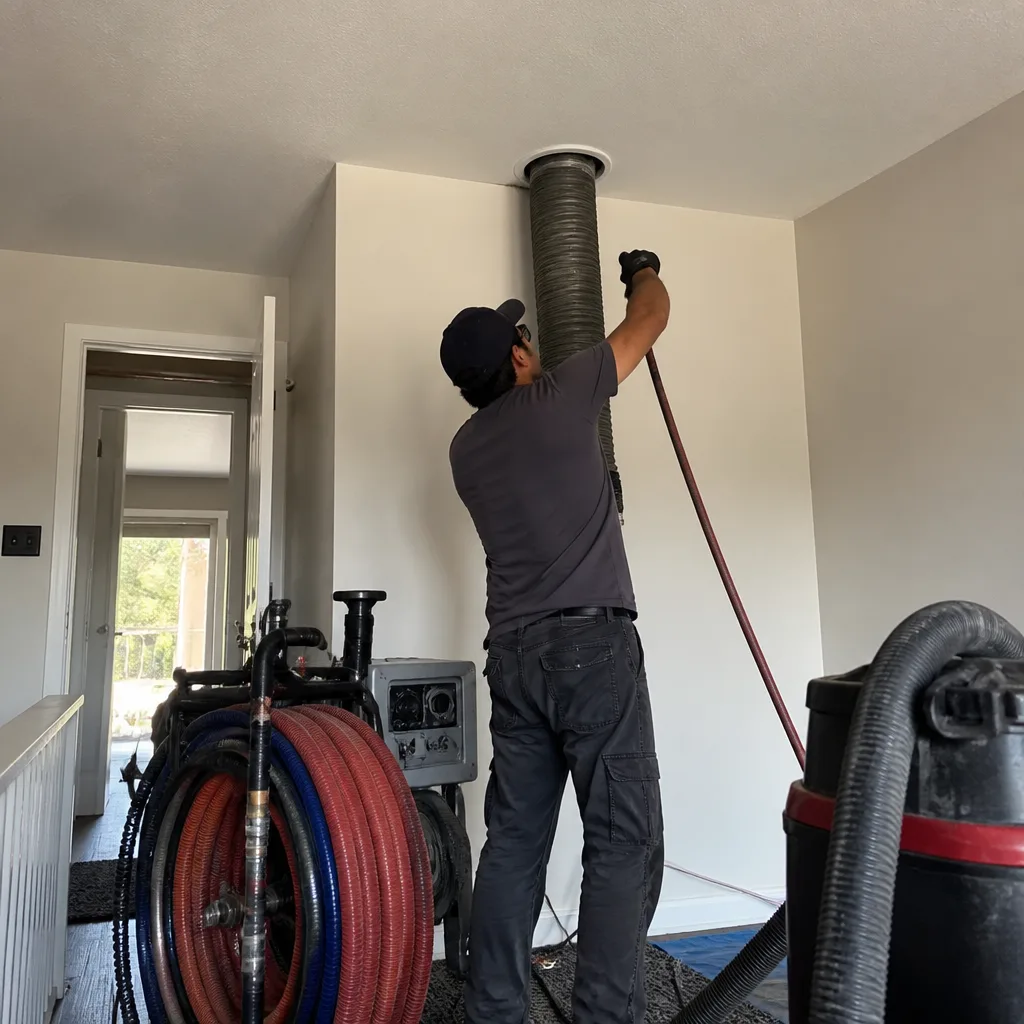 After
After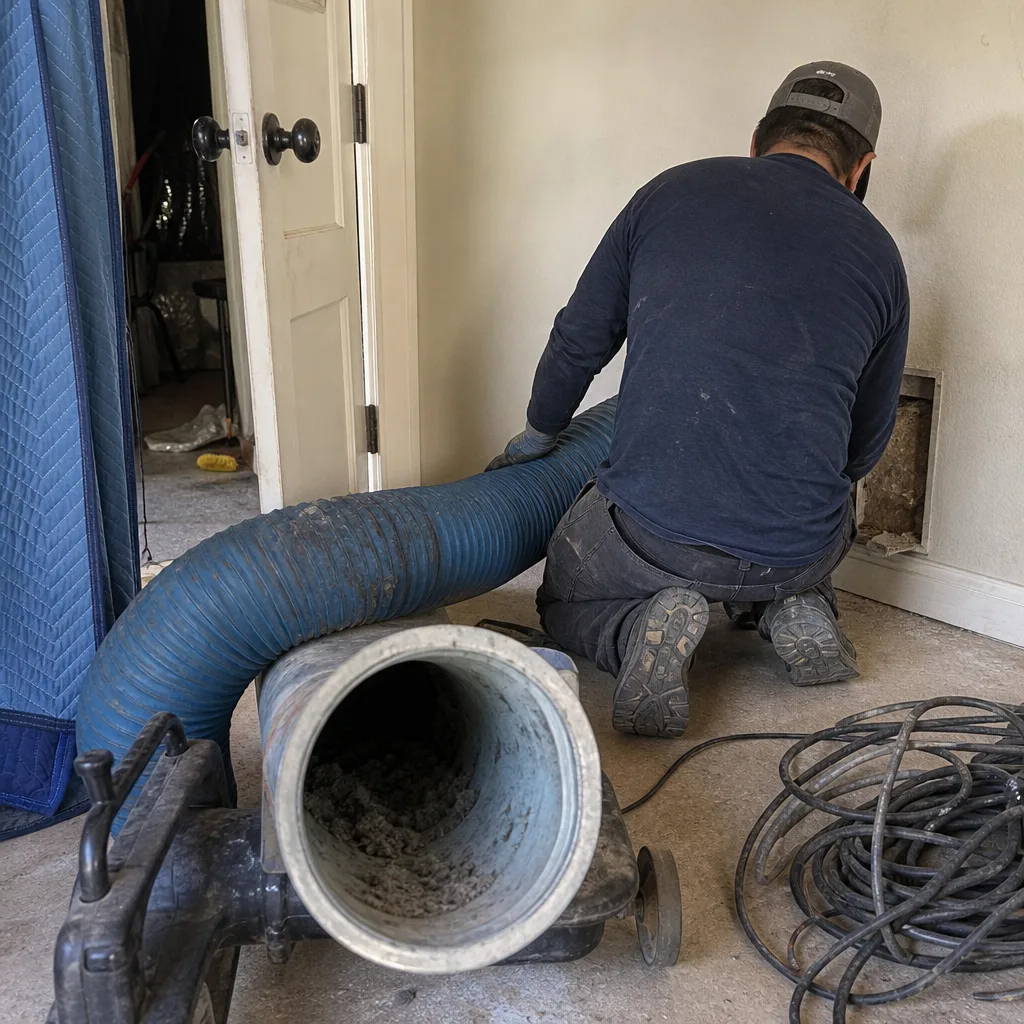 Before
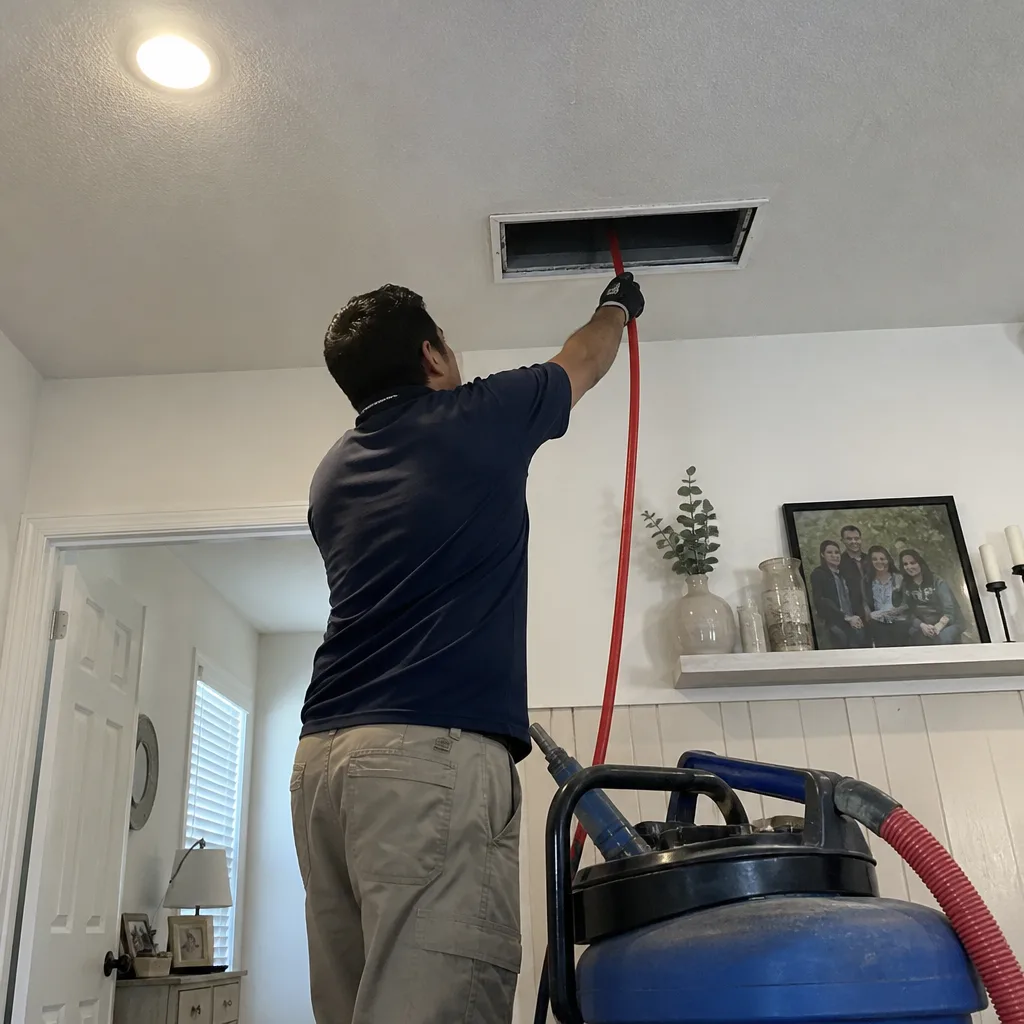 After
After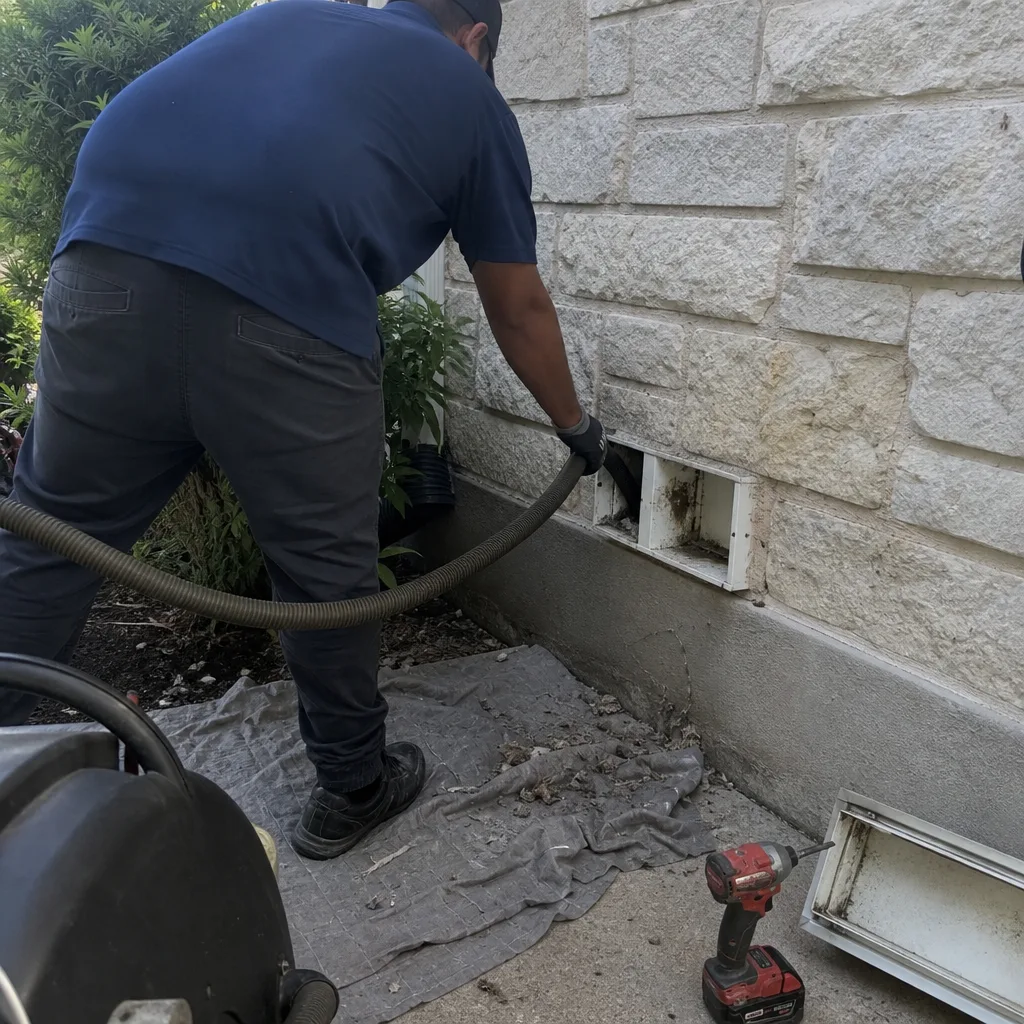 Before
 After
AfterWhen to Call a Professional
You should call a professional for our Air Duct Cleaning services or any duct work in your Austin home that involves more than a visual inspection or filter change. That includes sealing, section replacement, rerouting, and any modification to the plenum connections. A licensed mechanical contractor knows the City of Austin permit process, can pull the permit in their name, and can schedule the inspection without you having to navigate the Development Services Department alone.
If you’re in the Austin area and want a straight answer about whether your duct system needs cleaning, sealing, or something else, Kestrel Air Duct Austin offers free estimates and more guides & resources. We’ll tell you what we see, what the code requires, and what we recommend, even if the answer is that no work is needed. Call (254) 848-6913 to schedule.
For a closer look at what a proper cleaning involves, see our guide to Air Duct Cleaning in Austin. If your dryer vent is the concern, our Dryer Vent Cleaning in Austin page covers that service in detail.
Frequently Asked Questions
No. Air duct cleaning alone, meaning the removal of debris from the interior of existing ducts using brushes and negative-pressure extraction, does not require a permit anywhere in Texas, including Austin. The permit requirement begins when the work includes sealing, repairing, replacing, or rerouting ductwork.
Yes. Duct sealing with mastic, foil tape, or aerosol sealant is classified as a mechanical repair or modification in Austin, and it requires a permit from the City of Austin Development Services Department. This applies whether the sealing is done as a standalone job or as part of a larger project.
The buyer can require the seller to obtain a retroactive permit and pass inspection before closing, ask for a price reduction to cover compliance costs, or terminate the sale. Unpermitted mechanical work is commonly flagged by home inspectors and can derail a transaction that would otherwise proceed smoothly.
A homeowner can perform duct sealing on their own primary residence without holding a mechanical contractor’s license, but the permit and inspection requirement still applies. The homeowner exemption in Texas addresses who may do the work, not whether the work must be permitted.
Austin Energy typically requires a duct leakage test before and after sealing, and may require verification by the utility or a certified third-party tester. That verification is separate from the City of Austin mechanical permit inspection, and one does not satisfy the other.
Ask the contractor to put the scope in writing and then look for any word beyond “clean.” Sealing, repairing, replacing, rerouting, modifying, and altering are all terms that trigger permit requirements in Austin. If you see those words, ask who will pull the permit and schedule the inspection before you sign anything. If you want a licensed team to walk you through what your ducts actually need, call Kestrel Air Duct Austin at (254) 848-6913 for a free estimate.
The Bottom Line
Air duct cleaning in Texas is a no-permit activity, and that’s the simple part. The complexity begins the moment any sealing, repair, or replacement enters the picture, whether you planned for it or a technician adds it on the fly. Austin’s local amendments, Austin Energy’s rebate rules, and the realities of home sale inspections all stack on top of the state mechanical code. The single most important step you can take is to get a written scope before work starts, ask about permits in writing, and keep every document afterward. That paper trail is worth more than any sealant. For honest answers about your Austin ducts and a free estimate, call Kestrel Air Duct Austin at (254) 848-6913 or visit our Kestrel Air Duct Austin home page.
Written by Dale Whitmore, Owner at Kestrel Air Duct Austin, serving Austin since 2004.