
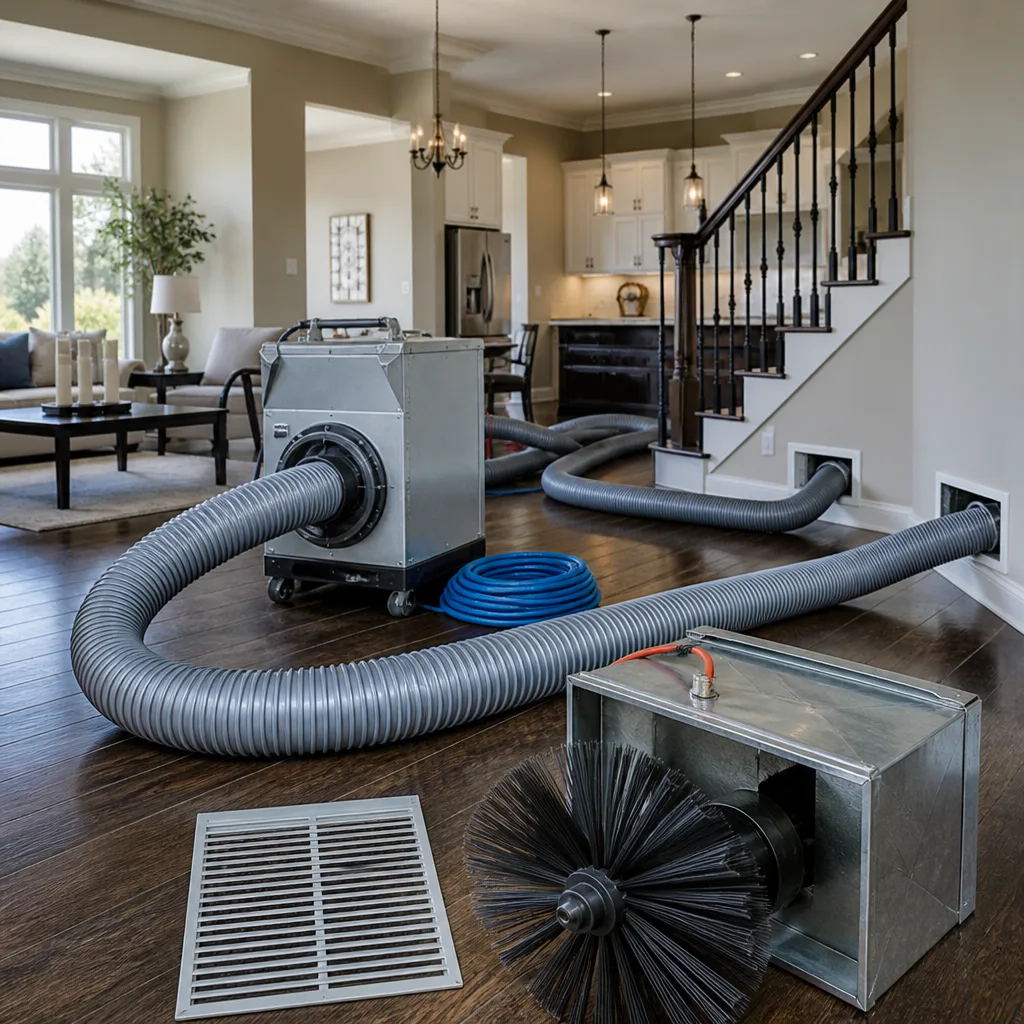
 Whole-home duct cleaning
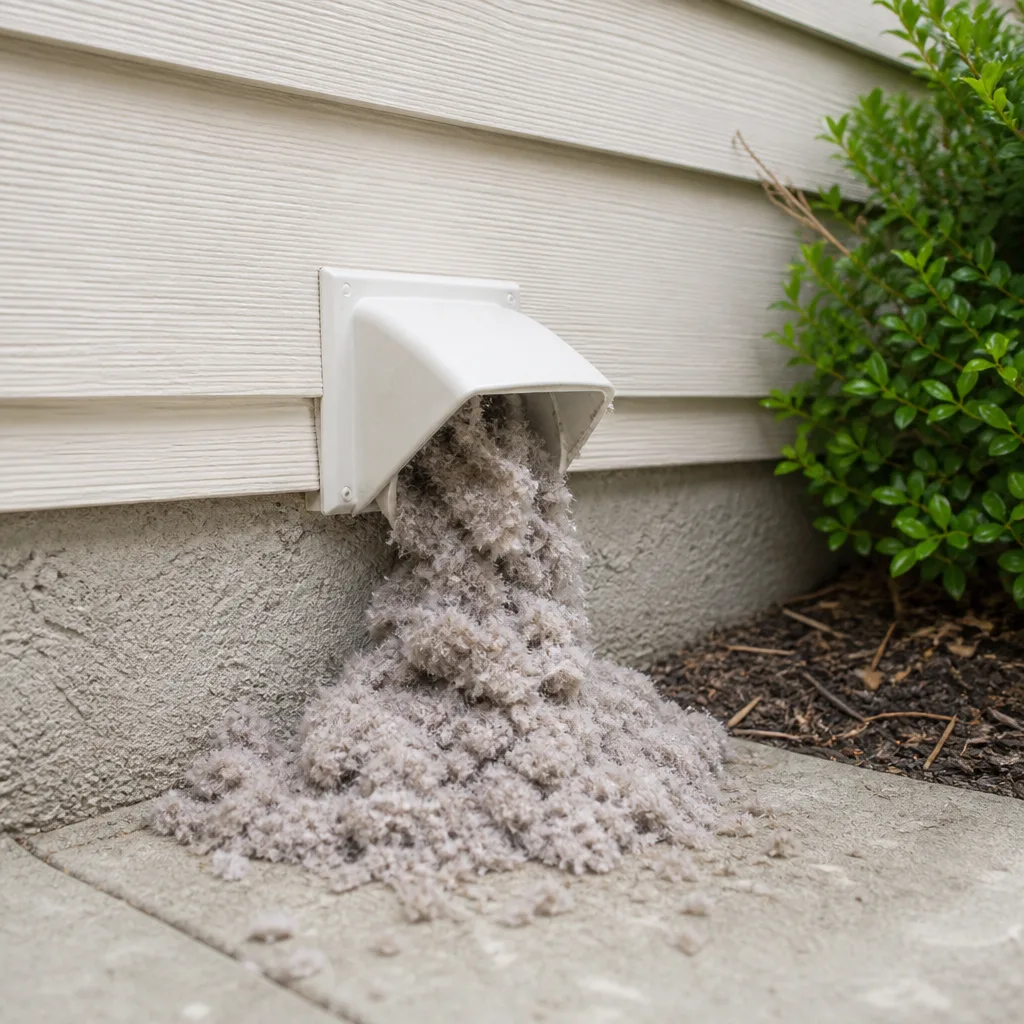 Dryer vent cleaning
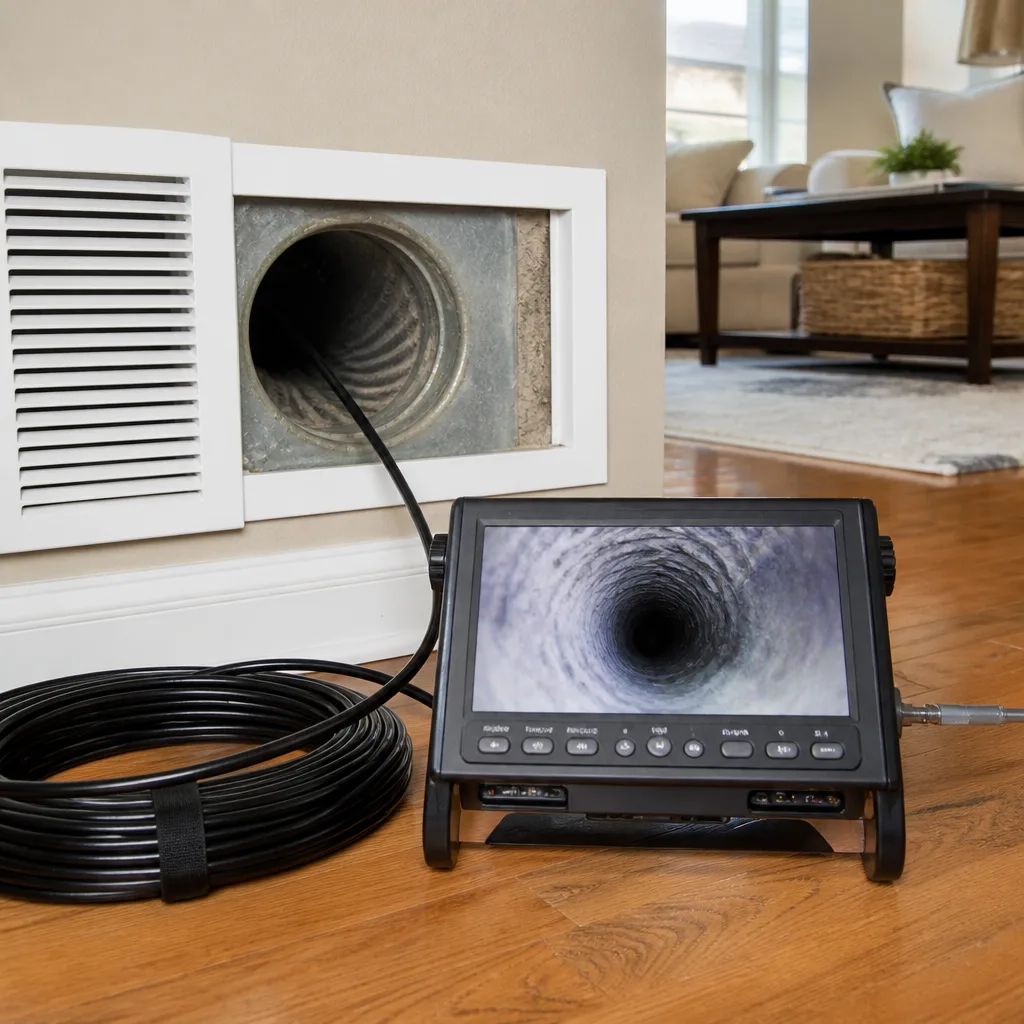 Camera inspection
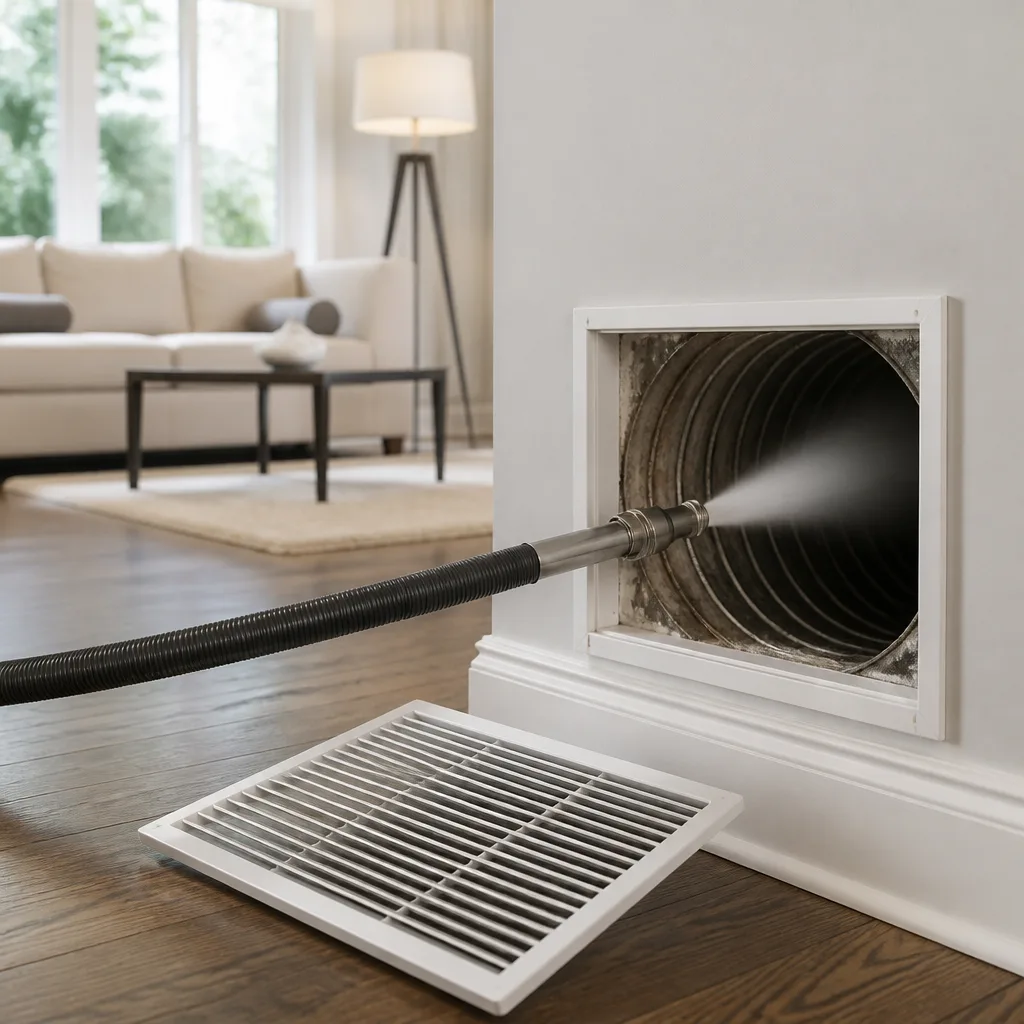 Sanitizing & deodorizing
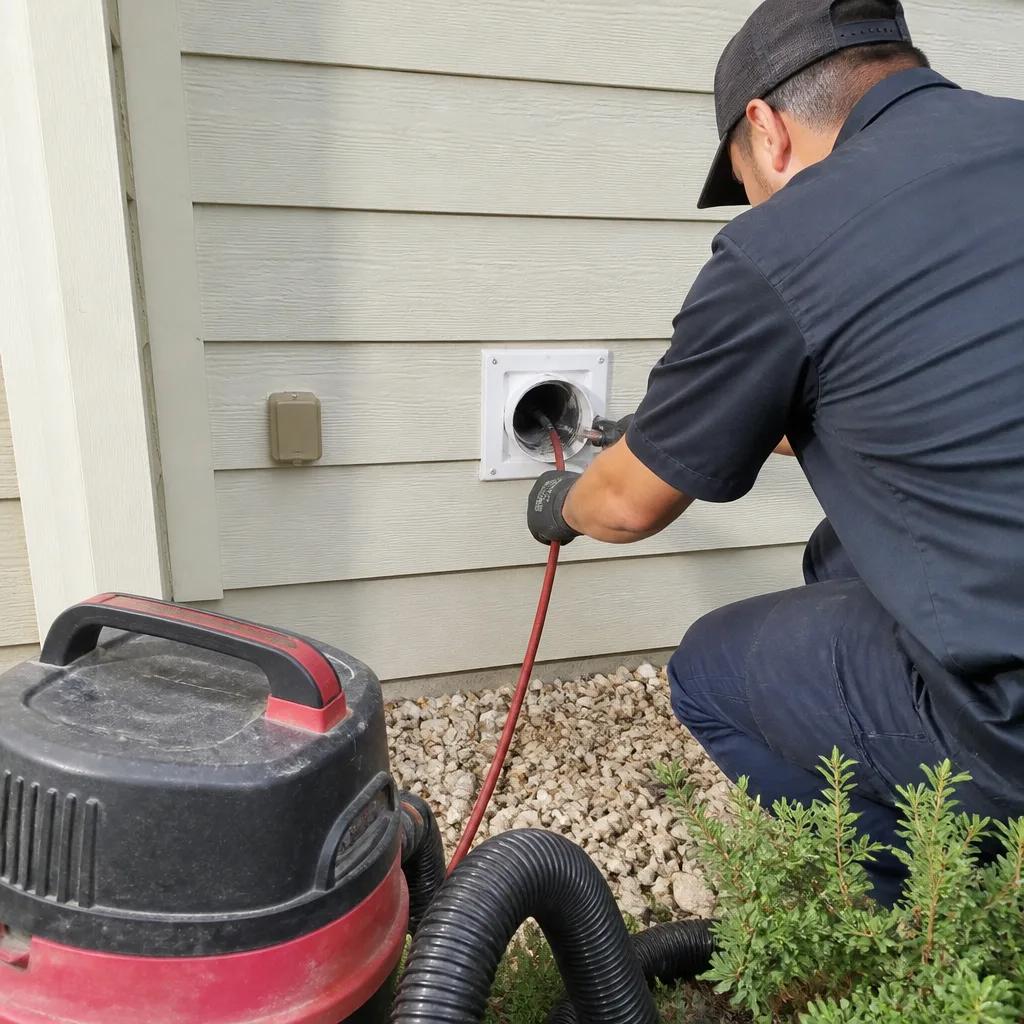
Whole-system duct and dryer vent check with before-and-after photos - you see exactly what came out of your vents
That "$99 whole-house special" is a bait ad - the real number appears once they are in your hallway, or the "clean" is a shop-vac at the register. We photograph the inside of your ducts before and after instead.
Abatement Technologies Vent Sanitizing: The Austin Owner’s Guide
If your Abatement Technologies vent sanitizing system has stopped producing sanitizer, is throwing an error code, or has a failed UV lamp or fogger element, we stock the replacement parts for most Abatement Technologies models and can typically have your unit working again within one visit. An installed vent sanitizing part replacement in Austin usually runs between $180 and $390 depending on the specific component, and we carry the common failure items on our trucks so there’s no second trip while we order from a distributor. Most Austin homeowners realize something’s wrong when the sanitizer reservoir stays full for weeks, the indicator light stops cycling, or a faint electrical smell comes from the unit mounted in the ductwork.
Which Abatement Technologies Models This Applies To
Abatement Technologies manufactures vent sanitizing under a few different product families, and the part you need depends on which one is mounted in your duct system. The primary distinction comes down to how the unit delivers sanitizer: UV-C lamp arrays (common in the VI and VP series) versus evaporative fogger or misting systems (the EF and micro-atomizing lines). A UV lamp failure is the most common service call we see, while fogger units tend to fail at the pump diaphragm or the atomizing tip where mineral buildup from Austin’s hard water eventually blocks output.
We’re an independent service provider in Austin, not affiliated with Abatement Technologies, which matters because we’ll give you a straight answer about whether an OEM part is worth the premium or a quality aftermarket equivalent makes more sense for your particular unit. The compatibility gotcha with Abatement Technologies vent sanitizing components is the voltage and socket configuration on the UV ballast: the 120V and 240V versions look nearly identical but are not interchangeable, and an older unit wired into a 240V Austin panel may not accept a newer 120V-only aftermarket lamp. The model plate is typically located on the access side of the unit, and we’ll ask you to read off the part number before we quote so there’s zero guesswork.
For UV lamp-based systems, the lamp has a rated service life, and once it’s past that hour count, the bulb may still glow but it’s no longer producing effective sanitizing wavelength. That’s the most common source of the “it looks like it’s working but nothing’s getting sanitized” call we get from Austin duct owners. We also stock parts for the air-moving side of these units, so we can service Abatement Technologies equipment alongside the other brands we support: Lennox, Trane, and Carrier vent sanitizing units are all part of our regular parts rotation.
Styles & brands we work with
Signs Your Abatement Technologies Vent Sanitizing Is Failing
- Unit cycles on but no visible sanitizer output. For fogger models, this almost always points to a clogged atomizer tip or a failed pump diaphragm. For UV models, it means the lamp has exceeded its effective hour rating even if it still illuminates.
- A faint ozone or electrical smell near the supply registers. The ballast on UV-lamp systems runs hot, and when it begins to fail it can emit a chemical smell that carries through the ductwork. This is a sign to shut the unit off and have it inspected.
- The sanitizer reservoir level does not drop between service intervals. If the fogger is running but fluid isn’t moving, the problem is almost always at the feed line or the pump. Continued operation can burn out the pump motor, which doubles the repair cost.
- An error code or blinking light sequence on the control board. Abatement Technologies units flash diagnostic patterns that correspond to specific faults. A short blink followed by two long flashes typically points to a lamp or ballast fault, but the exact code depends on your model series.
- The display shows runtime hours far past the rated service interval. The control board tracks cumulative hours, and when the lamp is overdue, the unit typically runs but produces no effective sanitizing action. Austin’s hard water accelerates the problem on fogger models because mineral scale clogs the atomizing paths faster than in softer-water areas.
See the difference
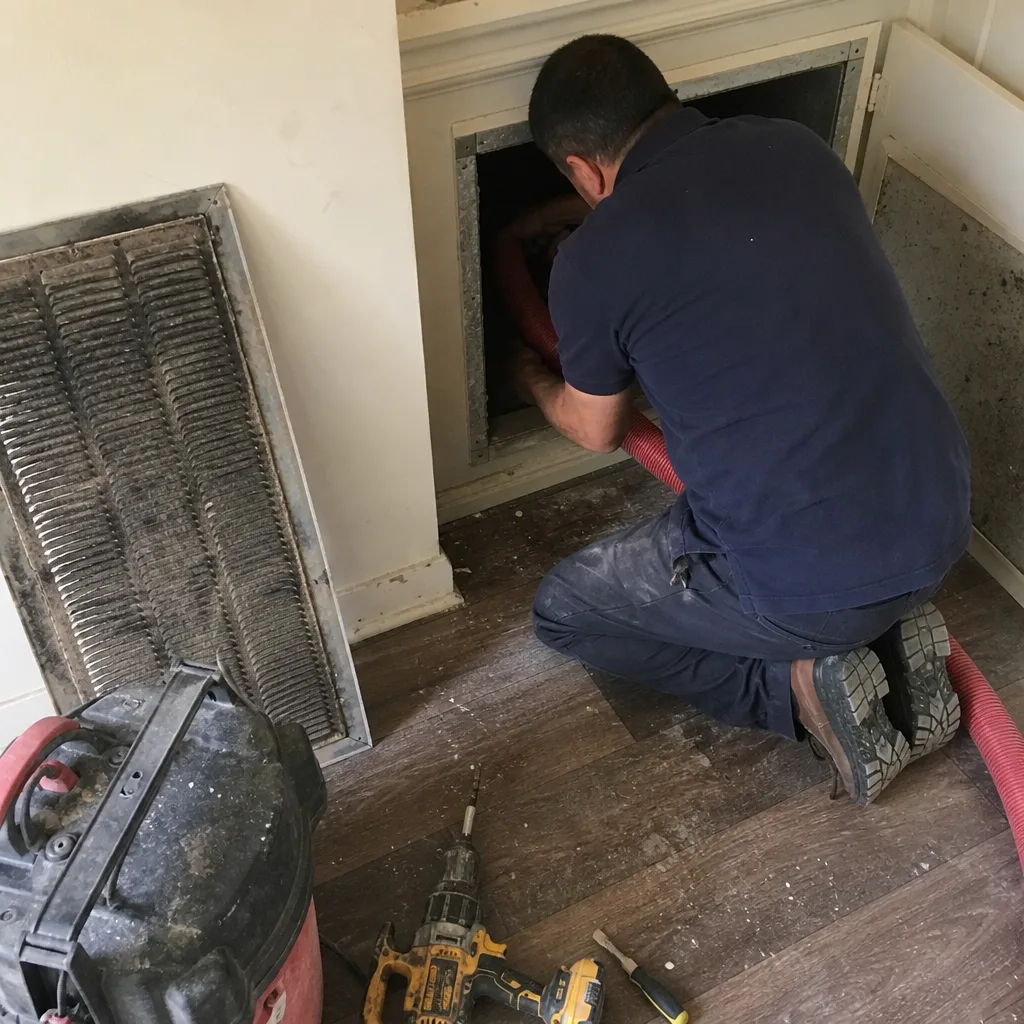 Before
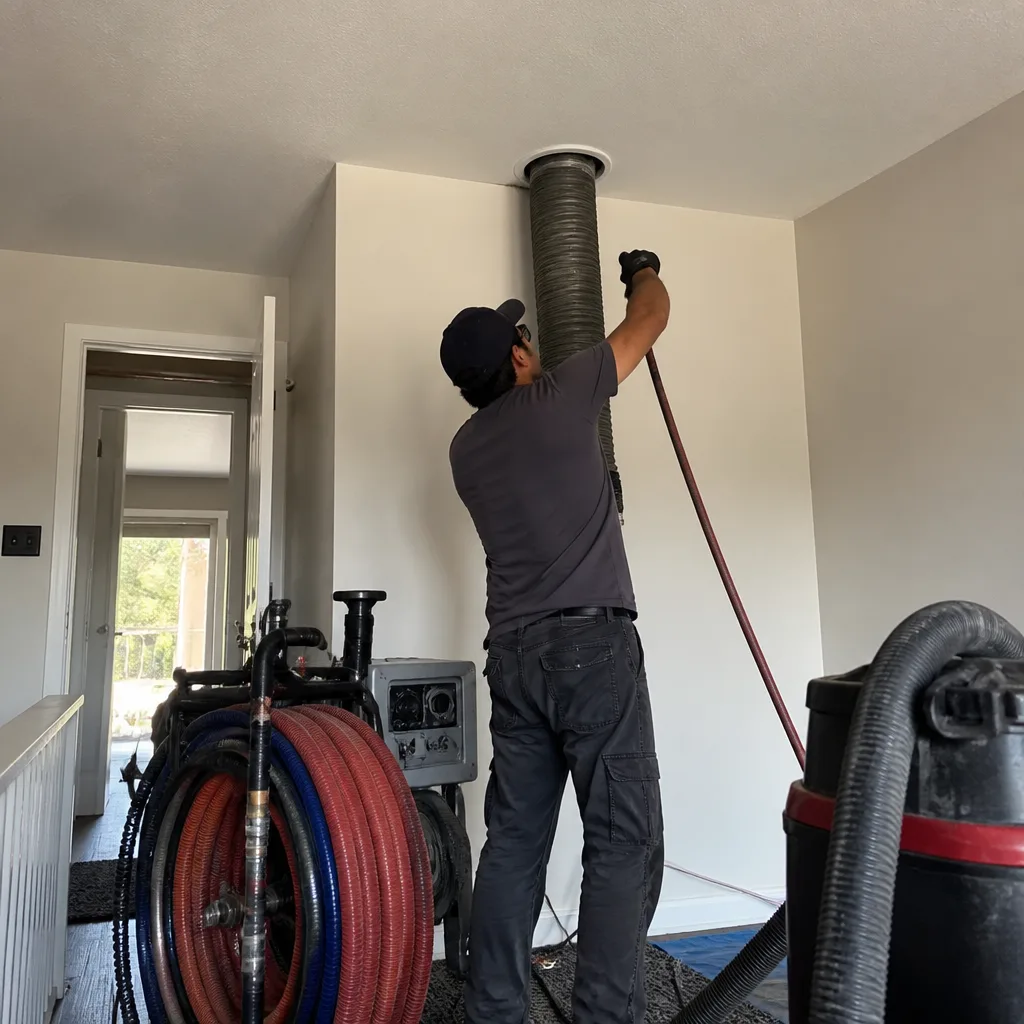 After
After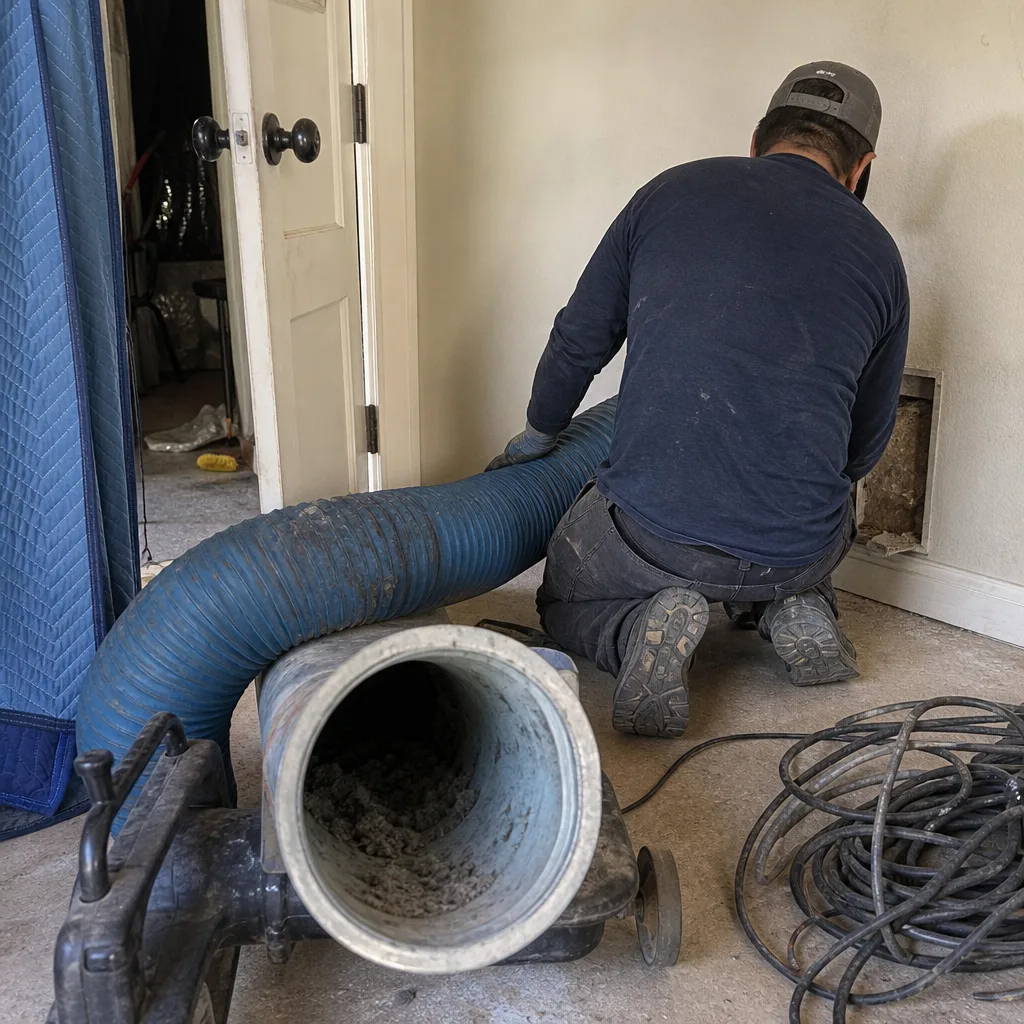 Before
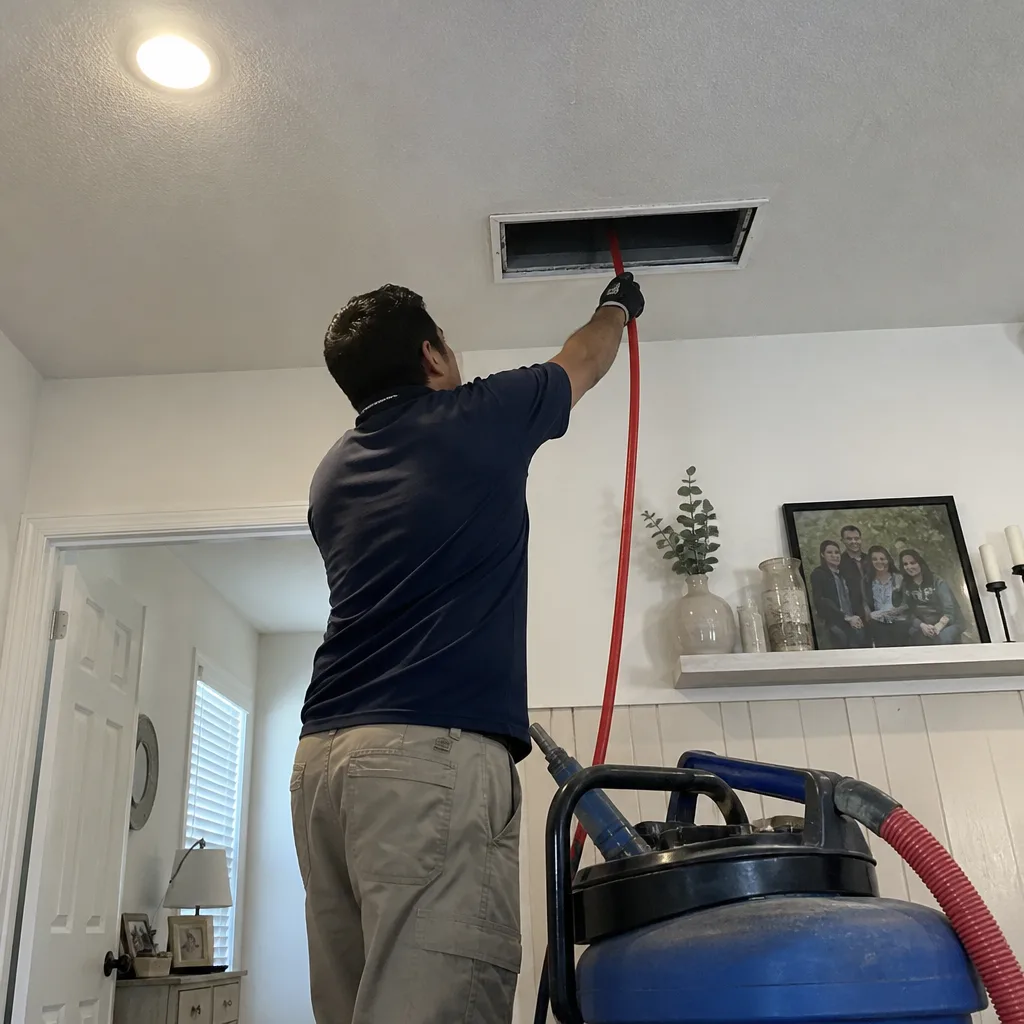 After
After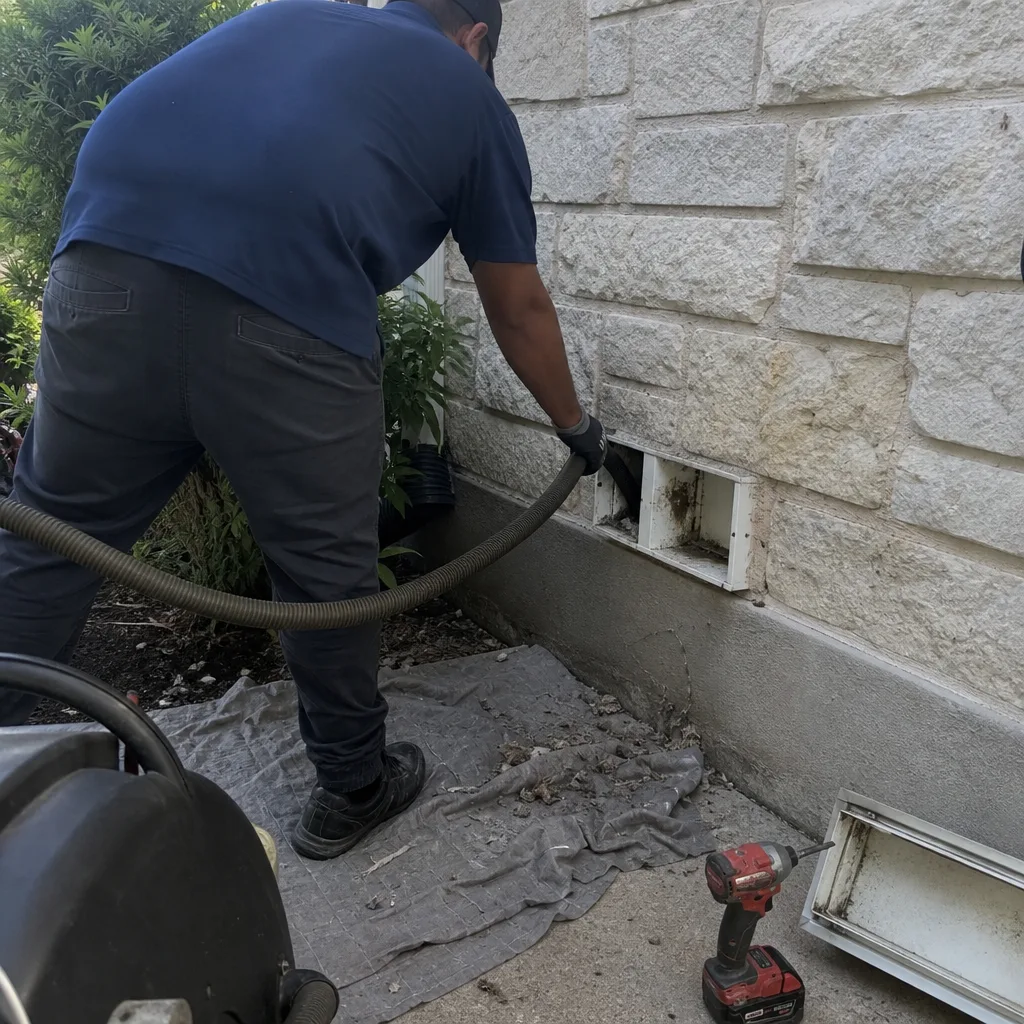 Before
 After
AfterReplacement Cost & What’s Included
Most Abatement Technologies vent sanitizing replacements in Austin fall between $180 and $390 installed, and we give you the exact price in writing before the first tool comes off the truck. The low end of that range covers replacement UV lamps and ballasts on common single-lamp systems; the high end typically covers fogger pump assemblies or complete atomizer rebuilds where multiple components have failed together. The spread depends on whether your unit is a lamp-based or fogger-based system, the specific model series, and whether the part is OEM or an equivalent aftermarket unit we can source with a shorter lead time.
Every replacement includes the part, the labor, a function test of the full sanitizing cycle, and verification of the control-board diagnostics to clear any stored fault codes. The work falls under the 365-Day Done Right Promise: if the part fails within the first year, we return and make it right at no charge. That’s not a courtesy we extend on a case-by-case basis, it’s written into the job record from the start.
We don’t play the low-coupon-then-higher-invoice game. The price we quote is the price you pay, and it’s in your hands before we open a panel. If we open the unit and find additional work, we stop and bring you a new written price before touching anything else.
DIY or Call Us?
For UV-lamp systems, you can safely check the runtime hour counter on the control board and compare it to the lamp’s rated service life stamped on the bulb housing. You can also visually confirm whether the lamp is glowing and whether the unit is receiving power. But swapping the lamp or ballast yourself means working inside the electrical enclosure with live line voltage, and the ballast on these units carries a charge even briefly after power is cut. If you’re not confident around 240V wiring, this is not the part to learn on.
For fogger systems, you can safely clean the exterior of the atomizer tip, but opening the pump housing to diagnose a failed diaphragm means dealing with sanitizer fluid that sits in a pressurized line. A wrong torque on the fittings creates a leak inside the duct, which then drips sanitizer into insulation and onto drywall. That’s the kind of secondary damage that turns a $200 part swap into a $1,800 remediation project.
This is the part of the page where Dale Whitmore’s crew would tell you the same thing we tell our own families: if the unit is making noise it didn’t make before, smelling like it’s overheating, or throwing codes, shut it off and call us. We answer the phone with a live person around the clock. We’ll talk through what you’re seeing and tell you honestly whether a service call makes sense or whether there’s a simple homeowner reset we can walk you through. Call (254) 848-6913.
FAQs
A UV-C lamp is typically rated for 12 to 18 months of effective service life depending on the model series and the duty cycle it runs, and Austin’s hot attic temperatures tend to shorten that lifespan because the ballast runs hotter in unconditioned spaces. Fogger pump assemblies typically fail between 18 and 30 months, with hard-water mineral buildup being the leading cause in this area. Call (254) 848-6913 and we’ll help you look up the specific hour rating for your unit.
In most cases, no, and we’ll tell you that plainly. UV lamps are sealed glass assemblies that either work or don’t, and ballasts are potted electronic units that can’t be field-repaired safely. Fogger atomizer tips can sometimes be cleaned if the issue is mineral scale, but a failed pump diaphragm or motor almost always means replacement, because repair labor exceeds the cost of a new pump. Call (254) 848-6913 and we’ll give you an honest repair-versus-replace answer before any money is spent.
A standard UV lamp or ballast swap takes about 45 to 60 minutes, and a fogger pump replacement takes about 90 minutes including the function test and diagnostic reset. Most Austin homeowners have their system running again within a single service window, and we carry the common parts on our trucks so we’re not waiting on a distributor shipment.
We stock the common failure items, lamps, ballasts, pump diaphragms, and atomizer tips, for the Abatement Technologies model lines we see most often in Austin duct systems. Less common control boards or proprietary harnesses may take three to five business days to source, and we’ll tell you that upfront before you commit to the repair. Call (254) 848-6913 with your model number and we can confirm stock before we schedule the visit.
Clean ducts move air. Everything else is just noise. When your Abatement Technologies vent sanitizing system needs a part, you want a straight answer about what it costs and when it’ll be done. We give you a written price before the work starts, we show up when we say we will, and we back the replacement with a written 365-Day Done Right Promise.
Written by Dale Whitmore, Owner, Kestrel Air Duct Austin at Kestrel Air Duct Austin, serving Austin and nearby areas.