
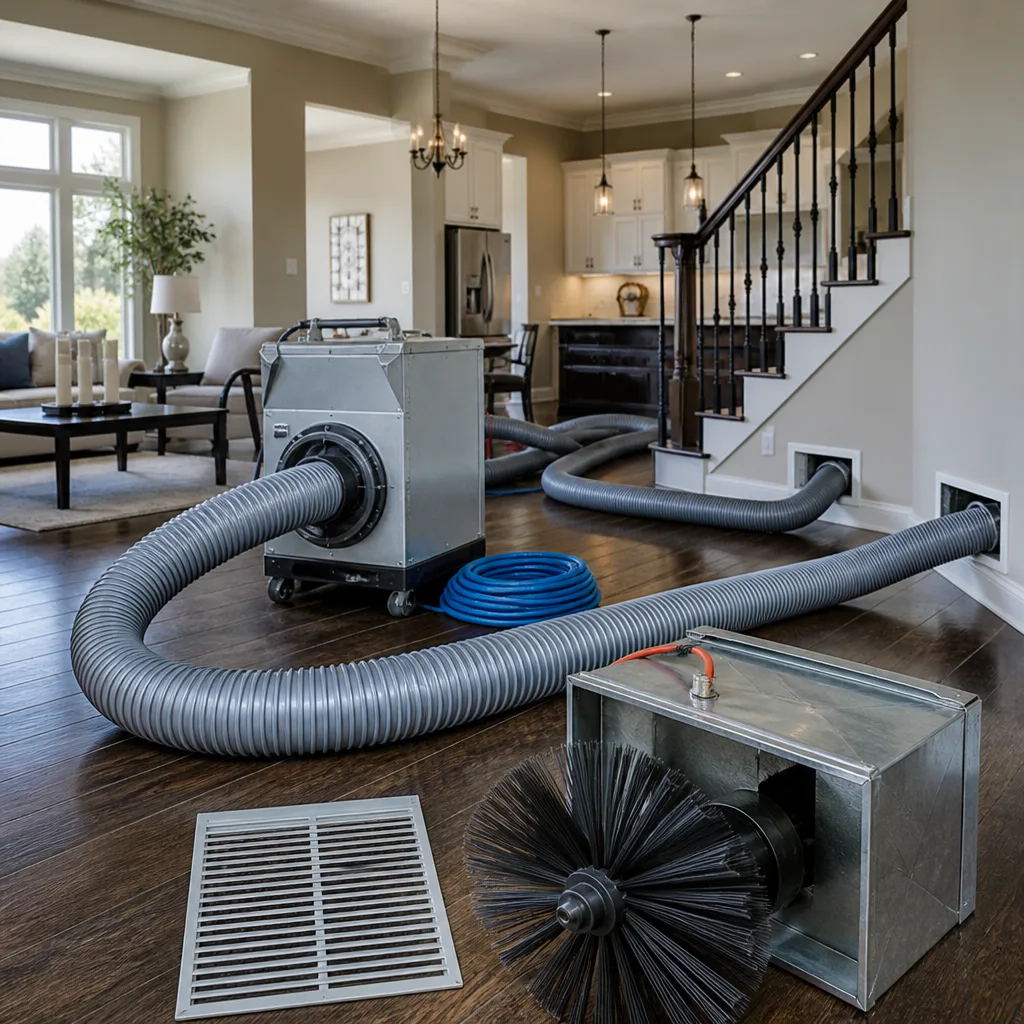
 Whole-home duct cleaning
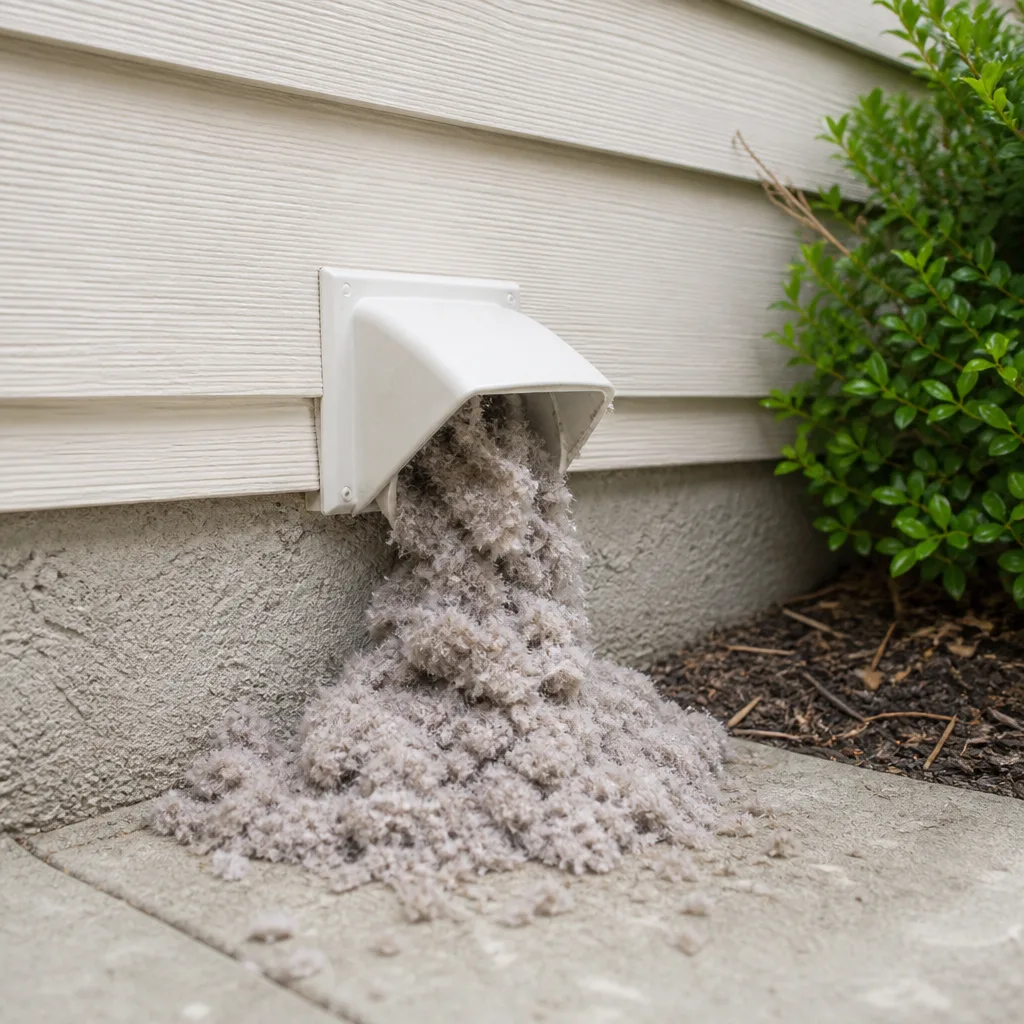 Dryer vent cleaning
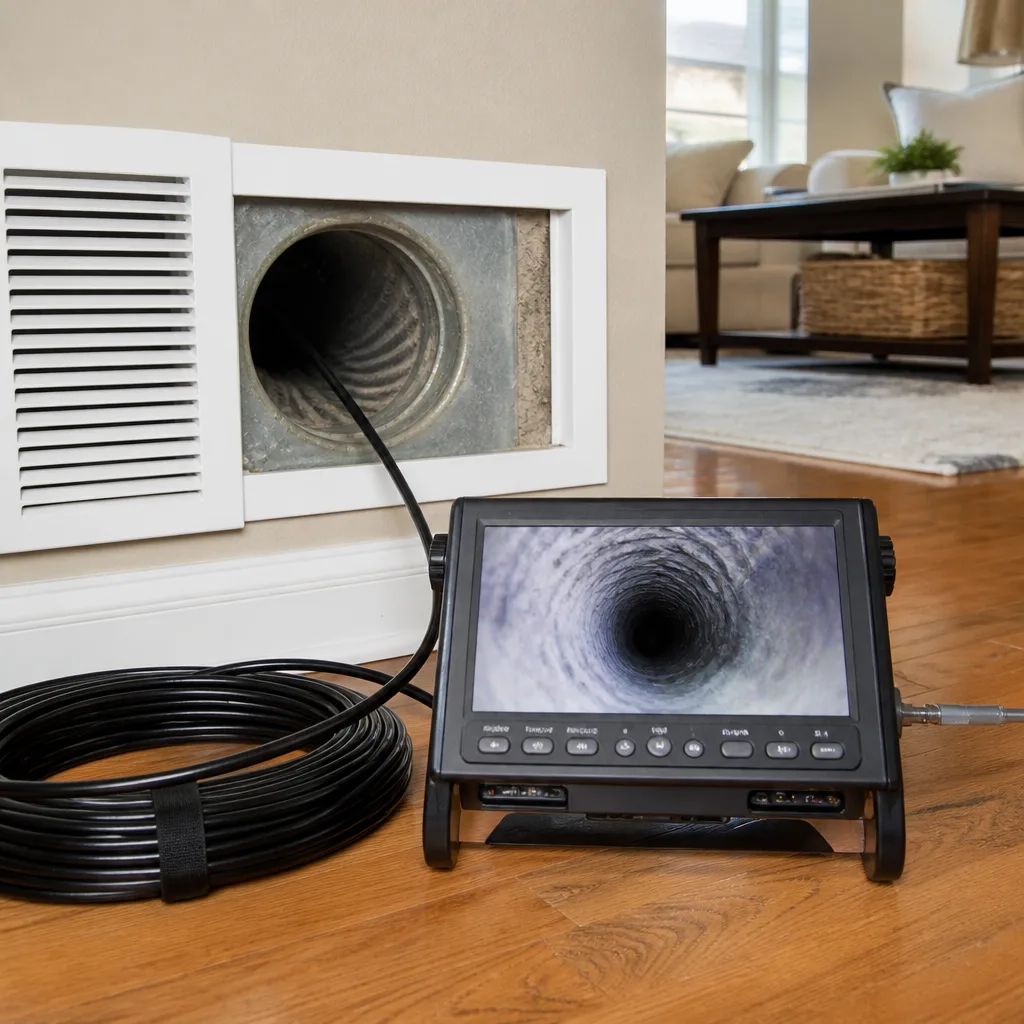 Camera inspection
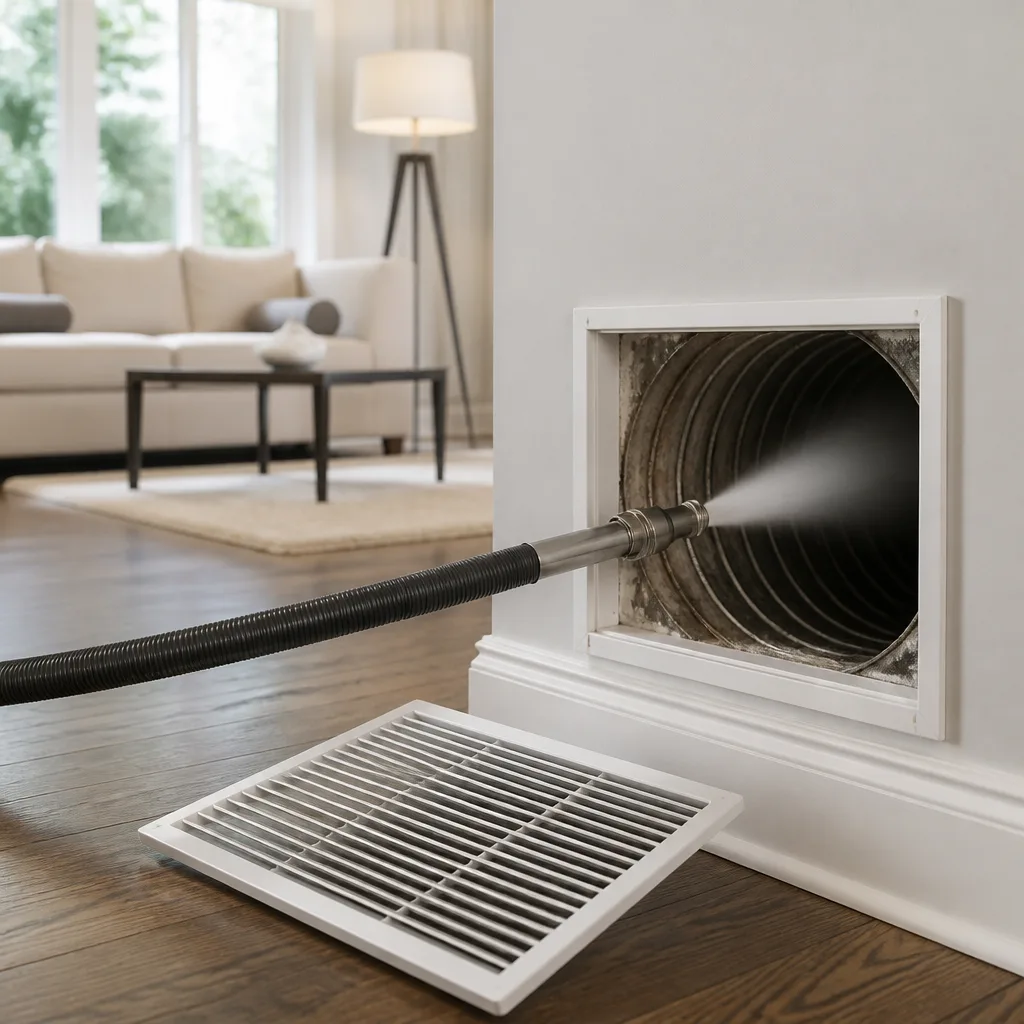 Sanitizing & deodorizing
Whole-system duct and dryer vent check with before-and-after photos - you see exactly what came out of your vents
That "$99 whole-house special" is a bait ad - the real number appears once they are in your hallway, or the "clean" is a shop-vac at the register. We photograph the inside of your ducts before and after instead.
Nikro Coil Cleaning: The Austin Owner’s Guide
We stock Nikro-compatible coil cleaning parts and install them across Austin, typically for $145 – $285 installed depending on your unit and which component has failed. Most jobs are done in under an hour once we’re on site. Here’s the scene we see most often in Austin: you fire up your Nikro coil cleaner for a spring condenser job, the pump whines but won’t build pressure, or the solution trickles out instead of spraying. The coil’s fouled with cottonwood and cedar pollen, and the machine that’s supposed to clean it has quit. That’s usually the moment our phone rings.
Which Nikro Models This Applies To
Nikro’s coil cleaning lineup runs across several series, and the part you need depends on which unit you’re holding. The CC-1 and CC-2 portable coil cleaners use a diaphragm pump with a 3/8-inch quick-connect output, while the CoilPro series steps up to a higher-volume piston pump that threads directly onto the chemical feed line. If your unit has a data plate, check the model prefix: CC units take a 12V pump cartridge, CoilPro units take a 115V pump assembly with an inline strainer. The strainer is the part nobody thinks to check first, and it’s the cheapest fix.
On OEM versus aftermarket: Nikro’s factory pump cartridges are solid, but for most CC-series units a quality aftermarket diaphragm kit from a supplier we trust runs about $35 – $60 less and holds up fine in Austin’s heat. We’ll tell you honestly which way we’d go for your specific model. One compatibility gotcha worth knowing: early CC-1 units built before 2008 used a smaller-diameter pickup tube than the current production run. If you order a replacement wand assembly for an older unit without measuring the tube ID, you’ll get a part that doesn’t seat. We measure before we order, every time.
We’re an independent service provider, not affiliated with Nikro directly, but we work on their equipment weekly and keep the common failure parts on the truck. We also stock coil cleaning parts for Lennox, Trane, and Carrier systems when a job crosses over.
Styles & brands we work with
Signs Your Nikro Coil Cleaning Is Failing
- Pump runs but won’t build pressure. The internal diaphragm has split or the check valve is gummed shut with dried coil cleaner. This is the most common failure we see in Austin, especially after a unit sits all winter with chemical residue inside.
- Solution leaking from the pump body. The diaphragm seal has cracked from chemical exposure or age. Once it leaks, the pump will never reach working pressure, and running it wet can corrode the motor housing.
- Spray pattern is weak or spitting. The wand’s spray tip is partially clogged with mineral scale or the inline strainer is packed with debris. We see hard-water scale worse on Austin’s east side, where the mineral content runs high.
- Motor hums but nothing turns. The chemical residue has crystallized around the impeller or pump shaft. Coil cleaner is caustic; if it dries inside the pump, it sets up like cement and seizes the works.
- The wand trigger sticks open or won’t seal. The O-rings inside the wand body have swollen from solvent exposure. This one’s a safety issue: a stuck trigger means the machine keeps spraying chemical when you don’t expect it.
See the difference
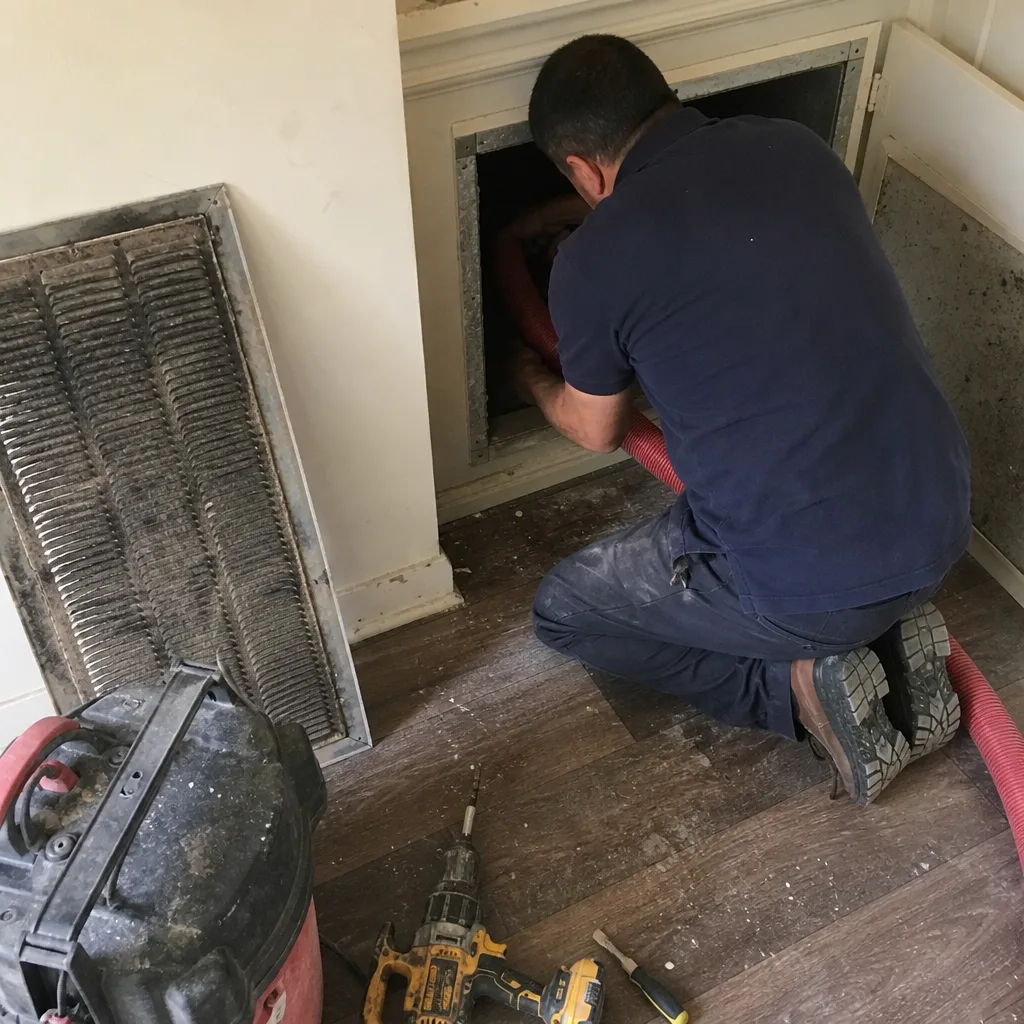 Before
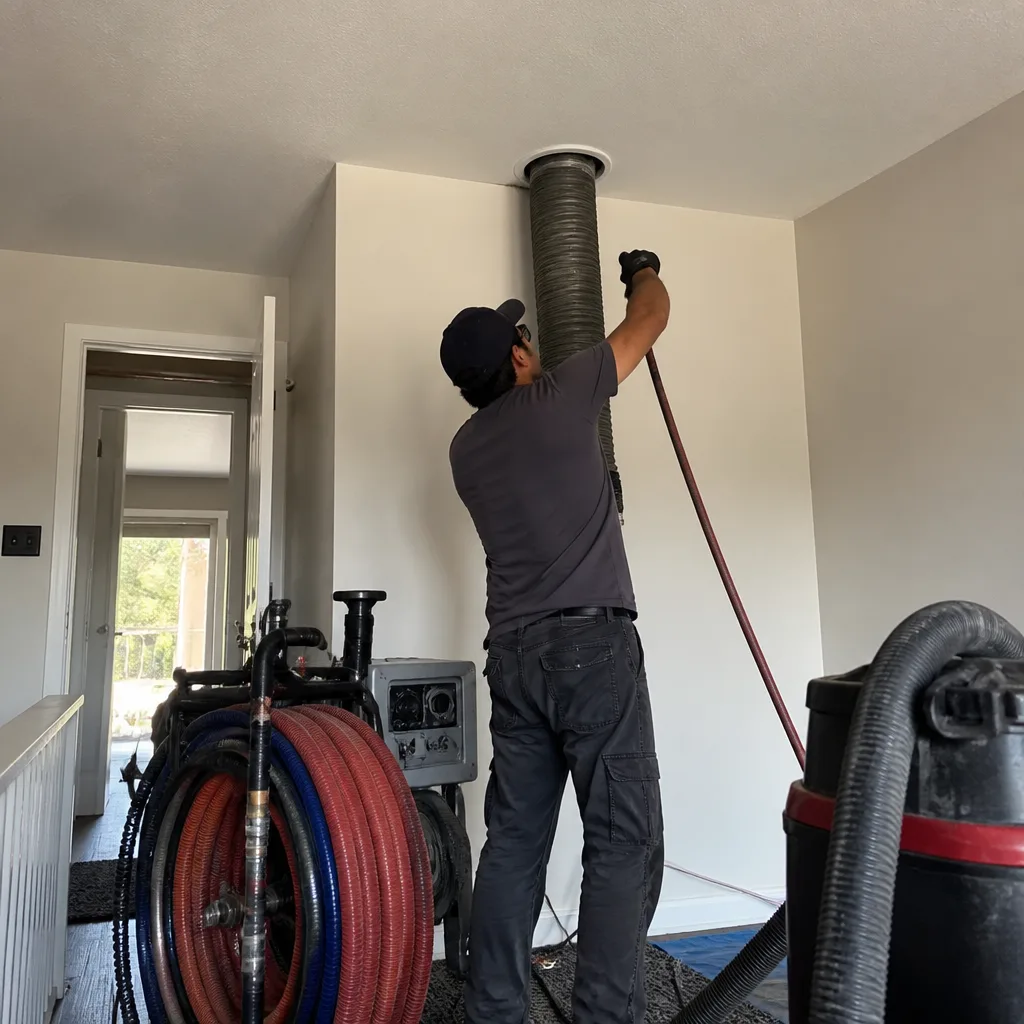 After
After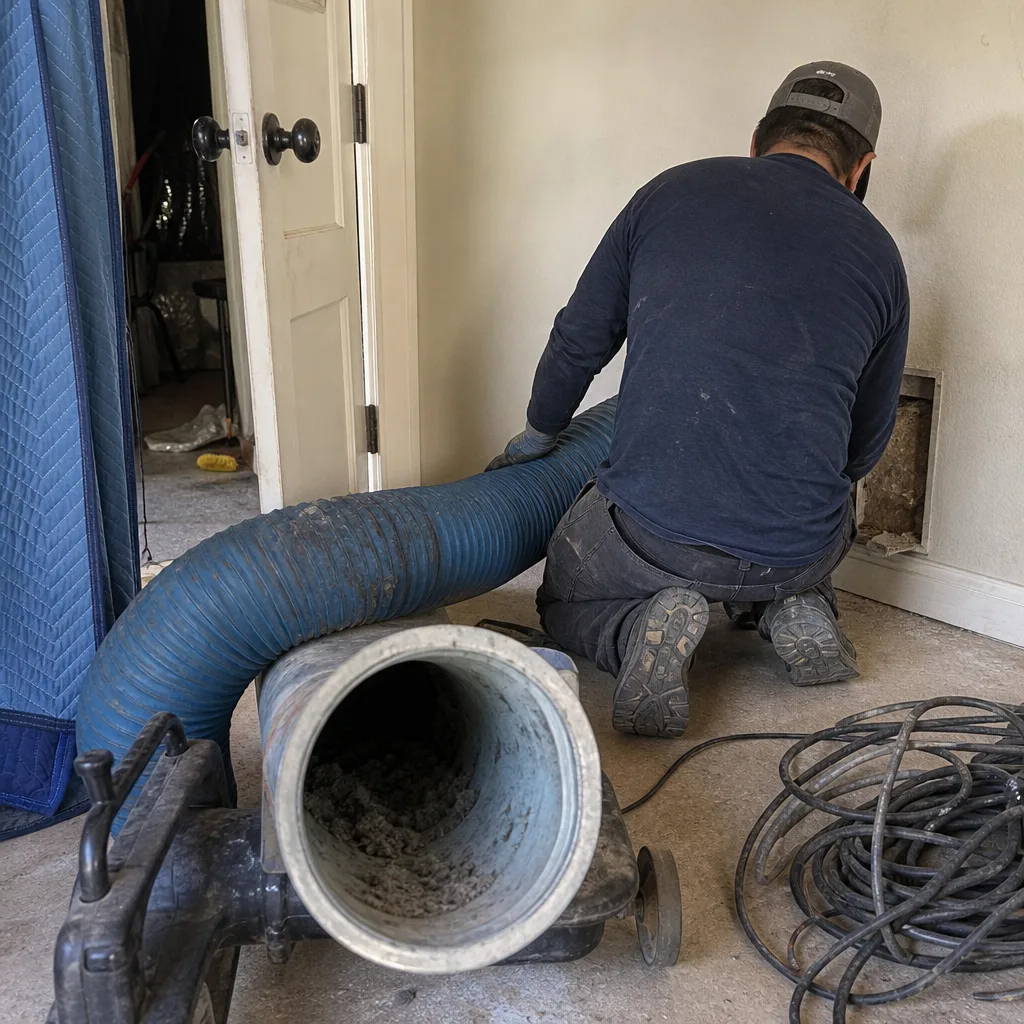 Before
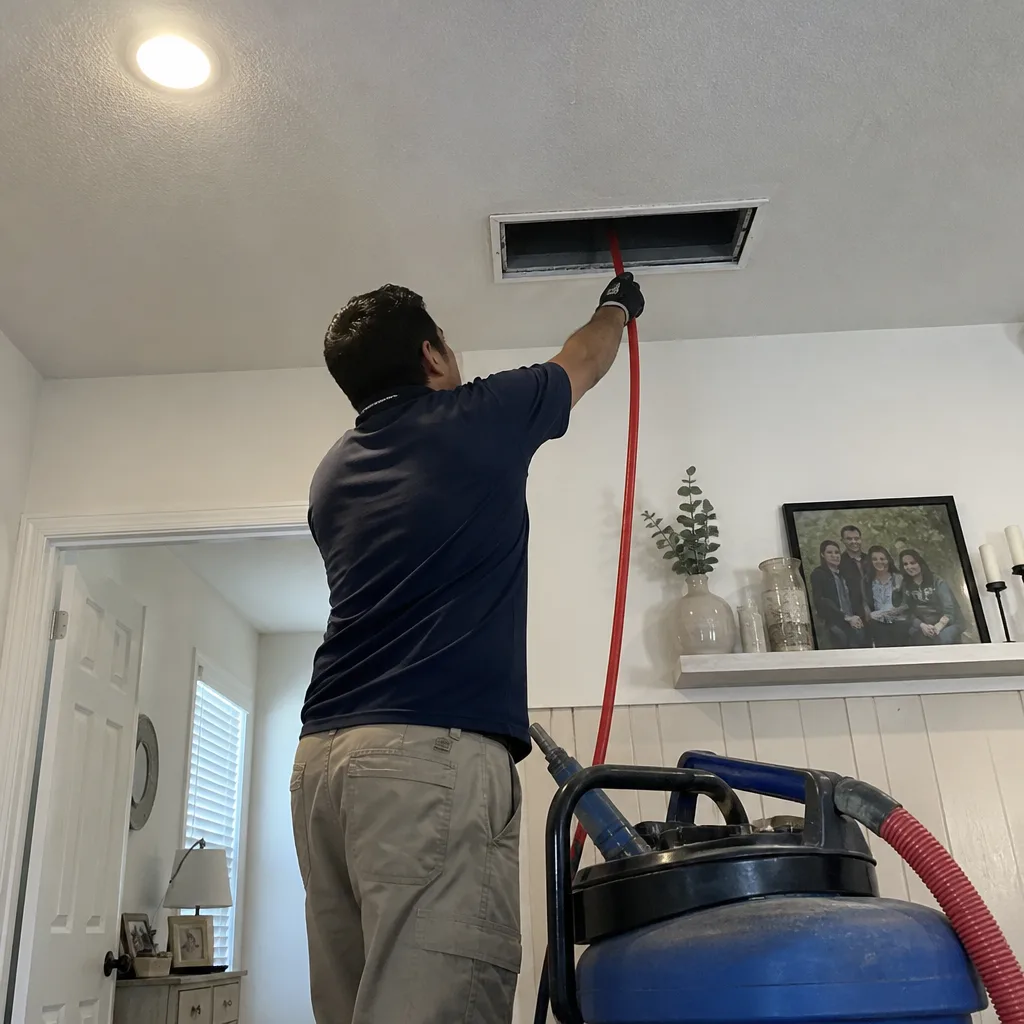 After
After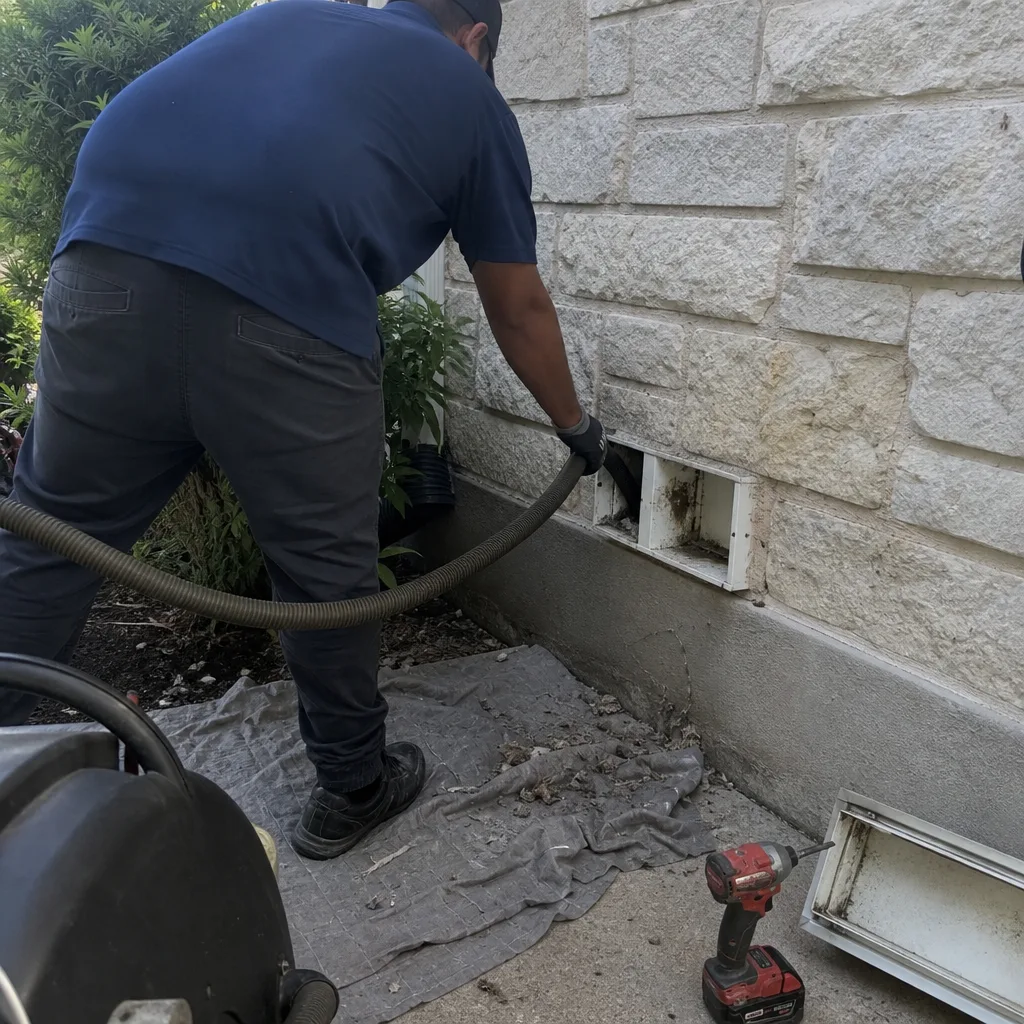 Before
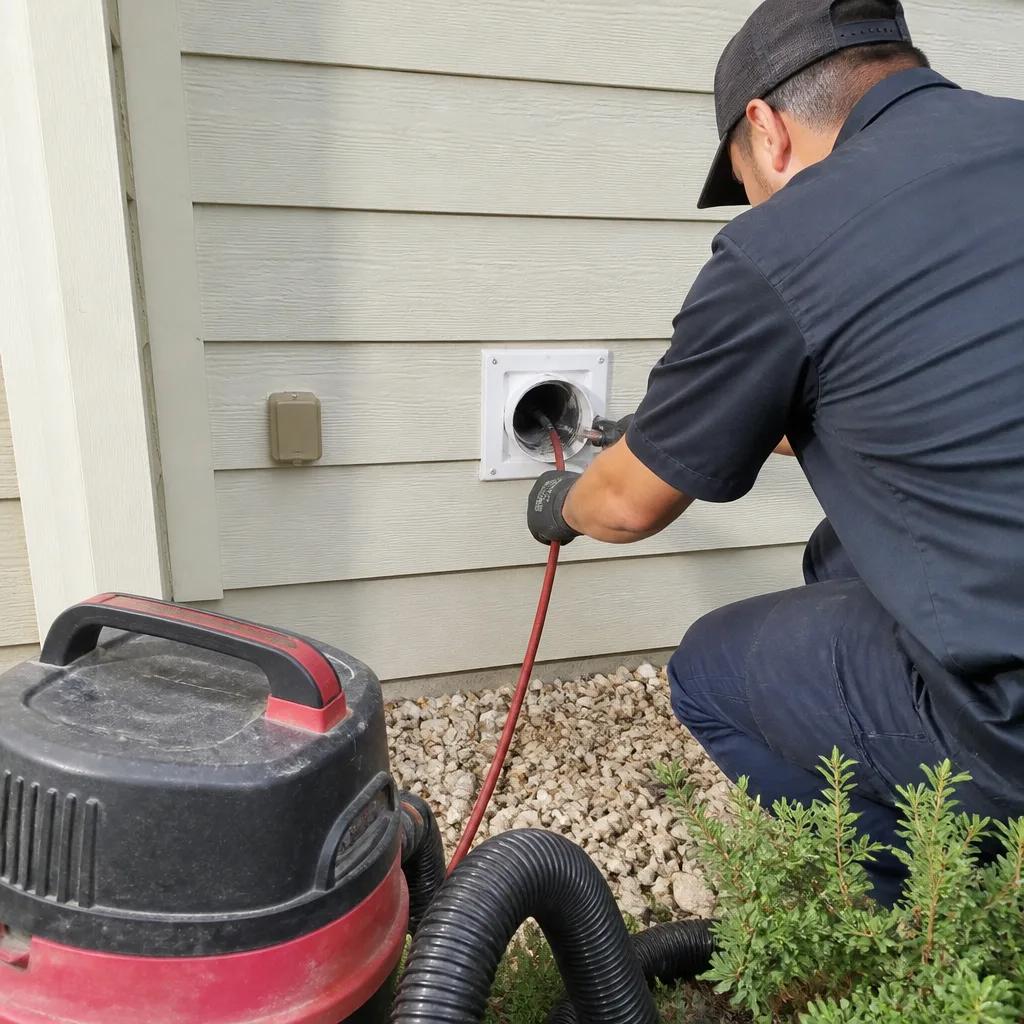 After
AfterReplacement Cost & What’s Included
In Austin, you’ll pay $145 – $285 installed for most Nikro coil cleaning repairs. A pump cartridge replacement on a CC-1 runs toward the lower end. A full pump assembly with new strainer, O-rings, and wand service on a CoilPro lands at the higher end. If you need a complete wand assembly, figure $75 – $110 on top of the labor.
Every quote is a written flat price before we touch a bolt. No per-part markup surprises, no discovering additional problems after we’ve started and padding the invoice. The price covers diagnosis, the replacement part, installation, and a test run with water to confirm the spray pattern and pressure are right. The work falls under our 365-Day Done Right Promise: if the repair fails within a year, we come back and make it right at no charge, in writing, on the original invoice.
One more cost factor specific to Austin: if your unit’s been stored in a garage that hits triple digits, the plastic pump fittings can get brittle. We check every fitting while we’re in there and tell you before we replace anything, so there are no surprises on the final number.
DIY or Call Us?
There’s a narrow sliver of this that’s safe to try yourself. If the pump runs but the spray is weak, you can unscrew the spray tip and soak it in white vinegar to clear mineral scale. You can also pull the inline strainer, rinse it, and pop it back in. Those two fixes solve maybe one in ten failures we see, and neither one puts you in contact with the coil cleaner itself.
Everything past that, we’d leave alone. The coil cleaning chemical in these machines is caustic, and if the pump diaphragm has failed, the chemical can be pooled inside the unit under pressure. Taking apart a spring-loaded pump cartridge that’s been corroding all summer is how people get chemical burns on their hands and arms. We wear gloves and eye protection for a reason. If the strainer and tip don’t fix it, call (254) 848-6913 and let us look at it properly.
The Kingswell Way governs how our technician handles the visit: we give you the written price before starting, show up in the window we gave you, clean up the work area, and put the guarantee in writing. Clean ducts move air. Everything else is just noise.
FAQs
In Austin’s heat and with regular use, most Nikro coil cleaning pumps last 3 – 5 years before the diaphragm or check valve fails. Units stored in unconditioned garages where summer temperatures exceed 100°F tend to fail sooner, because the plastic internals degrade faster in sustained heat. If you run your unit weekly during cooling season, plan on a pump replacement in the third or fourth year. Call (254) 848-6913 if yours is older than that, and we can quote an exact replacement cost for your model.
A Nikro coil cleaning pump can sometimes be repaired if only the check valve or O-rings have failed, but if the internal diaphragm has split, the cartridge is a sealed unit and replacement is the real fix. We’ll open it up and show you exactly what failed before we recommend either path, and the written price covers whichever route we agree on. We don’t rebuild a diaphragm that’s already gone; we’ve seen too many of those fail again within weeks.
Most Nikro coil cleaning part replacements take under an hour on site, including the test run to verify pressure and spray pattern. We carry the common pump cartridges, strainers, and O-ring kits on the truck, so we can often handle the repair on the first visit without ordering anything. If your model needs a part we don’t stock, we’ll tell you the day and give you the written price before we order it.
We keep the common Nikro failure parts stocked on the truck: CC-series pump cartridges, inline strainers, O-ring kits, and spray tips. CoilPro assemblies we sometimes need to order, but we can usually have the part in hand within a business day. If you can read us the model number off the data plate, we’ll confirm what we have before we schedule the visit.
Written by Dale Whitmore, Owner, Kestrel Air Duct Austin at Kestrel Air Duct Austin, serving Austin and nearby areas.