
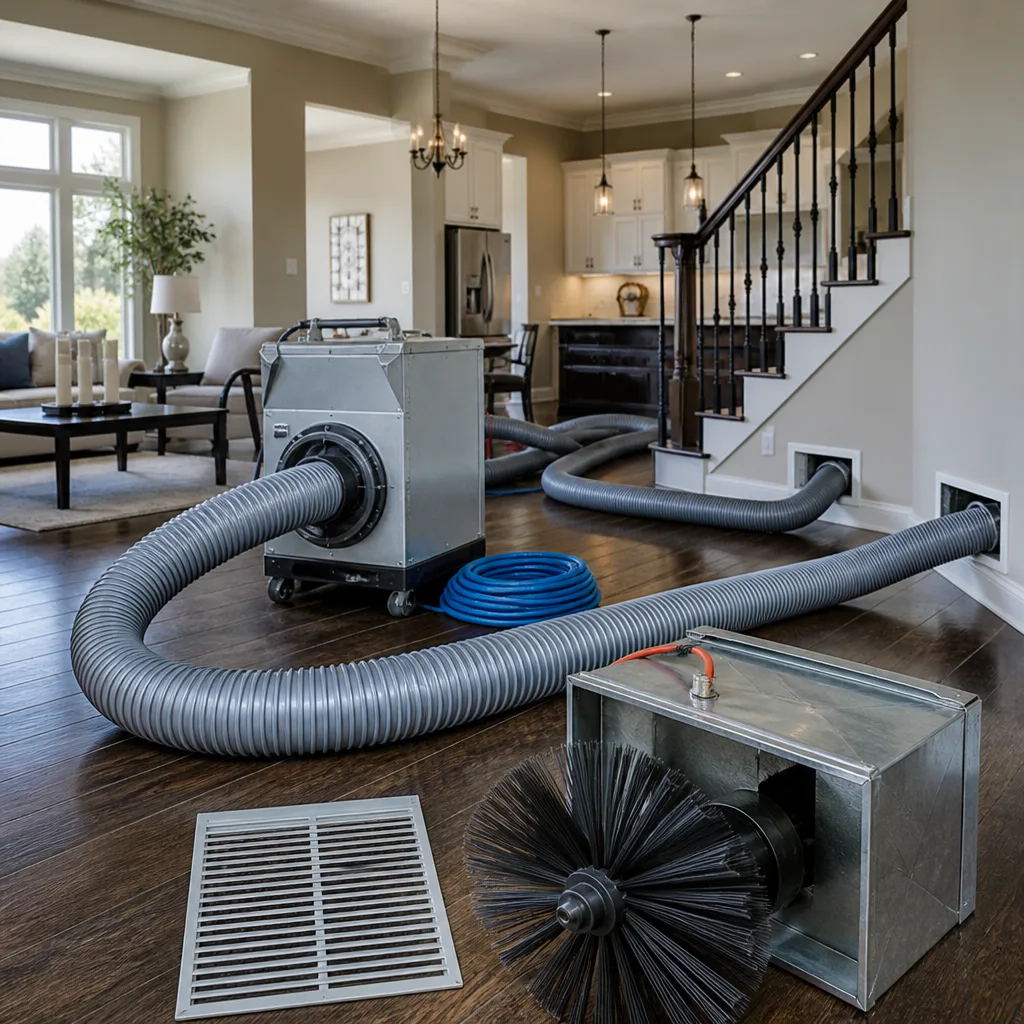
 Whole-home duct cleaning
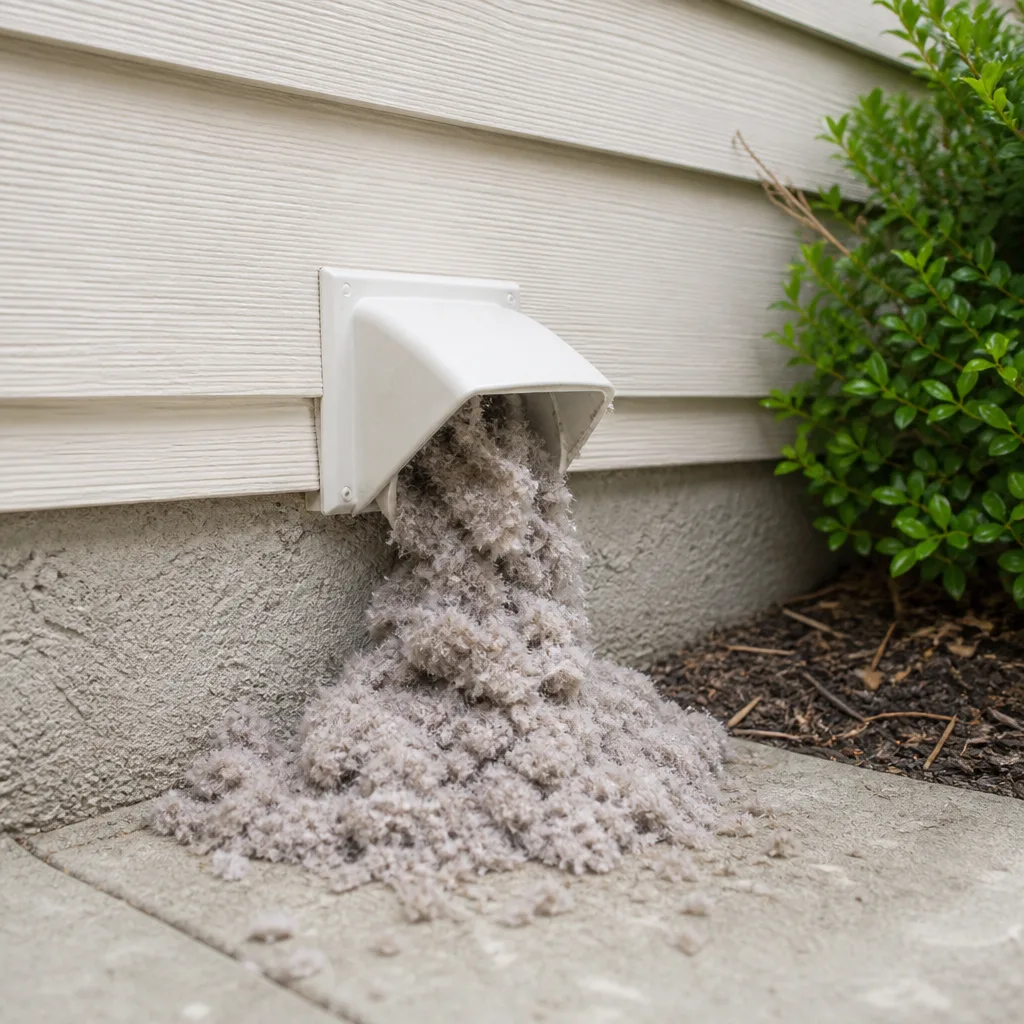 Dryer vent cleaning
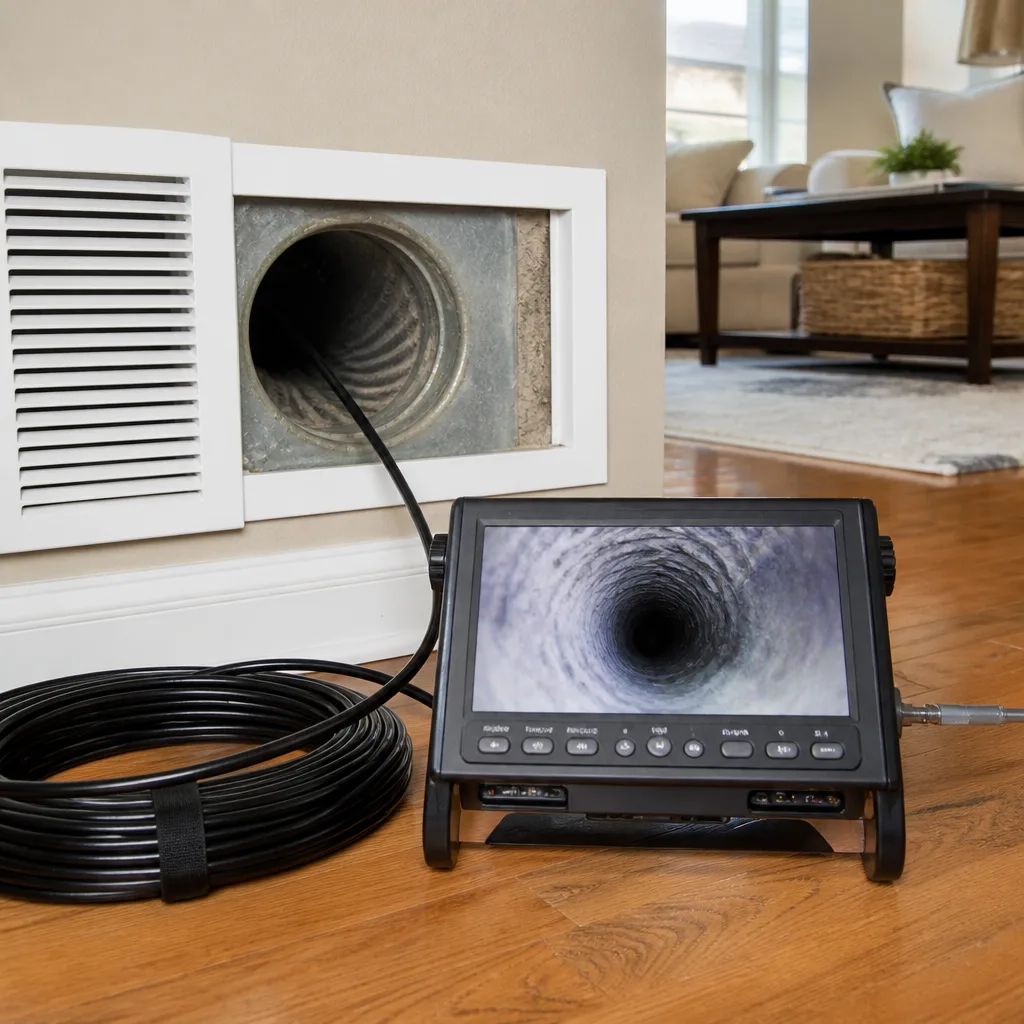 Camera inspection
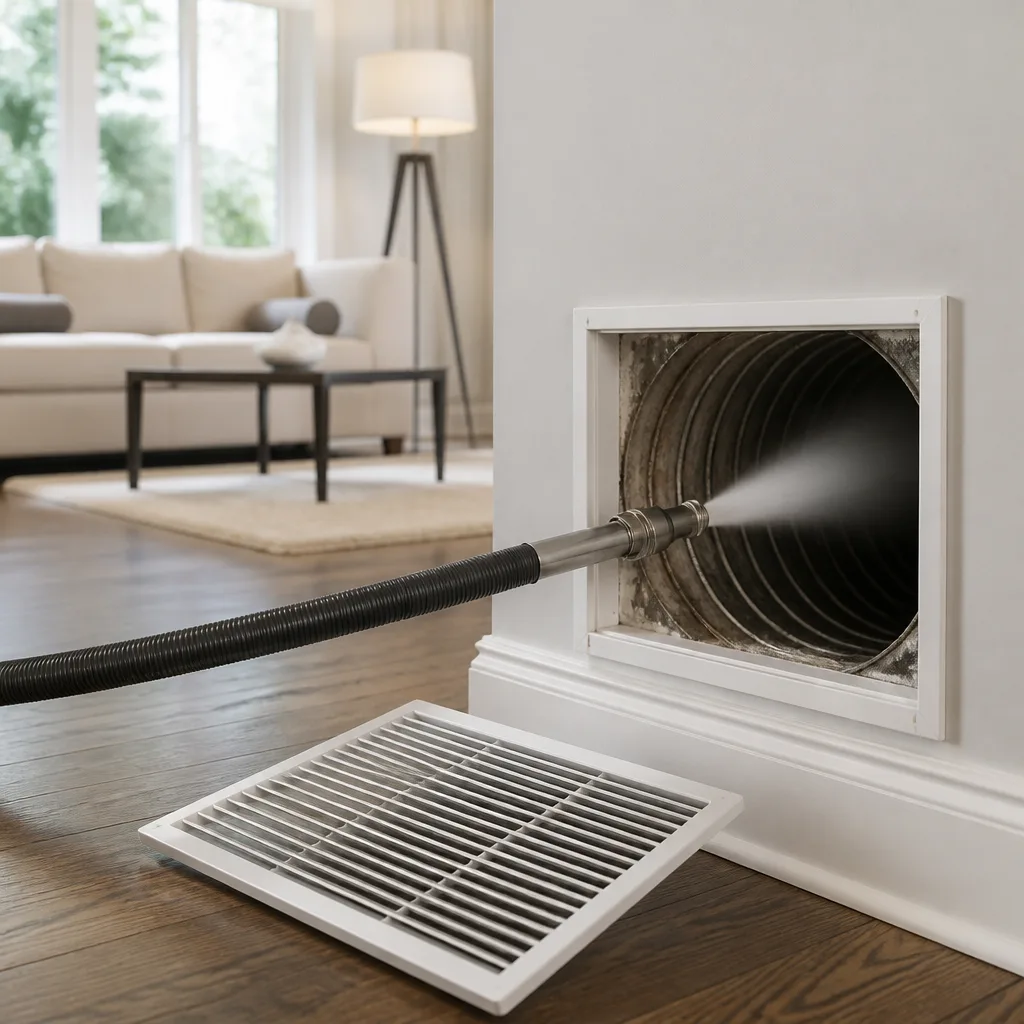 Sanitizing & deodorizing
Whole-system duct and dryer vent check with before-and-after photos - you see exactly what came out of your vents
That "$99 whole-house special" is a bait ad - the real number appears once they are in your hallway, or the "clean" is a shop-vac at the register. We photograph the inside of your ducts before and after instead.
Rotobrush Coil Cleaning: The Austin Owner’s Guide
We stock and install Rotobrush-compatible coil cleaning parts for Austin homes, with most replacements running between $145 and $310 installed depending on your specific unit. If you’ve got a Rotobrush that’s suddenly leaving coils dirty or the brush head won’t spin the way it used to, you’re usually looking at a worn coil cleaning assembly, not a dead machine. Most owners discover the part has failed mid-job: the brush stops agitating properly, the vacuum pulls less, and the coils still look fouled after a full pass. The good news is this is one of the more straightforward Rotobrush parts to replace, and we carry the common sizes on the truck.
Which Rotobrush Models This Applies To
Rotobrush has shipped several generations of duct cleaning systems over the years, and the coil cleaning attachment isn’t universal across all of them. The older AiR+ and the early R500 series used a fixed-bristle coil brush with a 1/2-inch drive shaft, while the newer models moved to a quick-connect collar that doesn’t always seat correctly if the old collar is worn. The easy way to confirm what you have: check the label plate on the coil cleaning housing. It’ll show a part number that starts with RB-C or CLC, and that prefix matters more than the model year. If the label’s worn off, measure the diameter of the brush head itself. Most Austin homes we service run either the 4-inch or 5.5-inch brush depending on the coil depth.
On the OEM versus aftermarket question: Rotobrush’s own coil cleaning assemblies are well made, but they’re priced at a premium and can take a week or more to ship. Quality aftermarket equivalents from brands like Heat Seal and Air-Care use the same nylon bristle spec and aluminum hubs, and in our experience they hold up just as well in Texas conditions. We keep both options on hand because the honest answer depends on how much life is left in the rest of your system. If the brush head is the only thing worn, an aftermarket head saves real money. If the drive coupling and housing are also tired, going OEM makes more sense.
Styles & brands we work with
Signs Your Rotobrush Coil Cleaning Is Failing
- The brush head spins slower than it used to. This usually means the drive coupling is slipping. Rotobrush uses a friction-fit coupling that wears smooth over time, especially in the dry Austin air that makes nylon bristles stiffen and crack.
- Coils still look dirty after a full cleaning pass. When bristles wear down to half their original length, they stop reaching into the coil fins. You’re paying for agitation that isn’t happening.
- You hear a chattering or rattling sound while running. That’s typically the brush head bearing starting to go. Left alone, it’ll chew up the shaft and turn a $40 part into a $200 repair.
- The vacuum pickup around the brush is weak. A cracked coil cleaning housing loses negative pressure at the brush face, which means loosened debris gets blown around instead of pulled out. In Austin’s cedar season, that’s the difference between clean coils and a re-clog in two weeks.
- Visible bristle loss or flattening. Nylon bristles don’t last forever, and Austin’s summer attic temperatures above 140 degrees accelerate the breakdown. If the brush looks like a worn toothbrush, it’s done.
See the difference
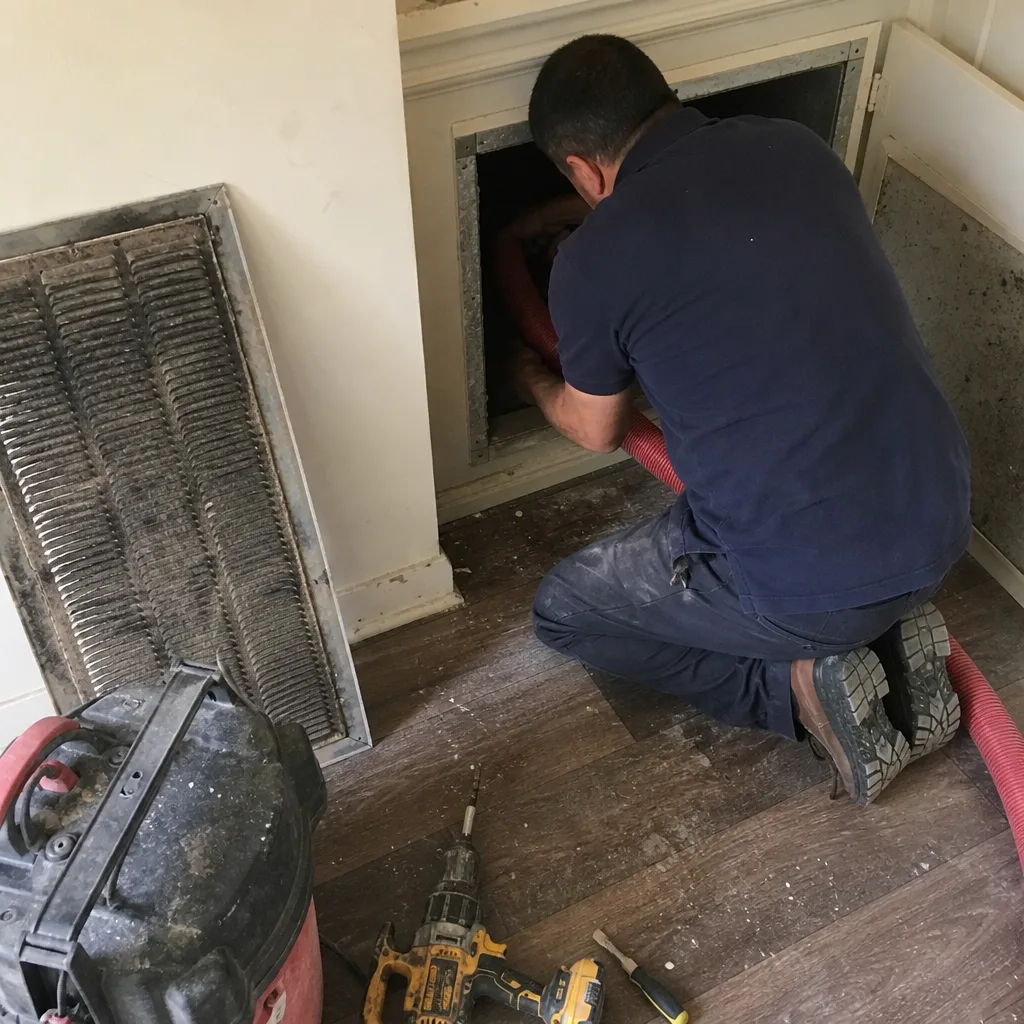 Before
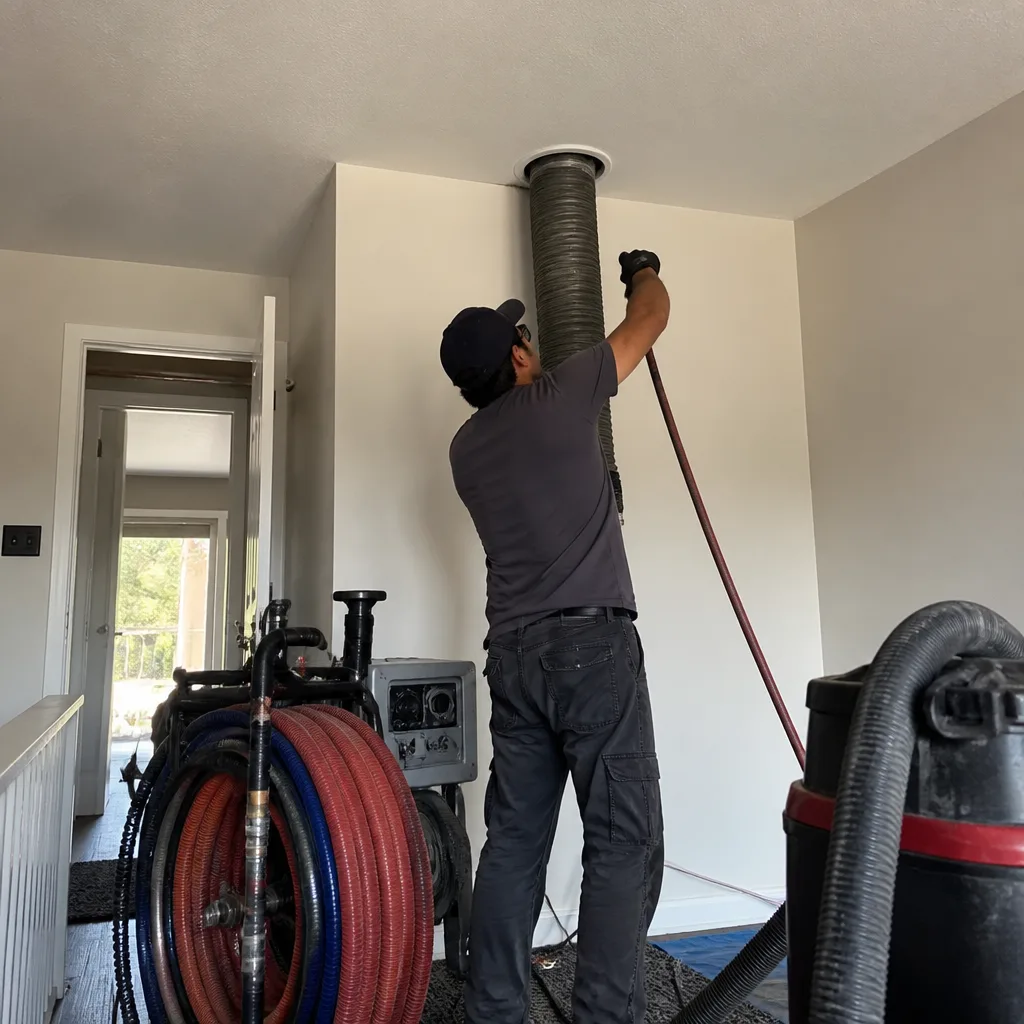 After
After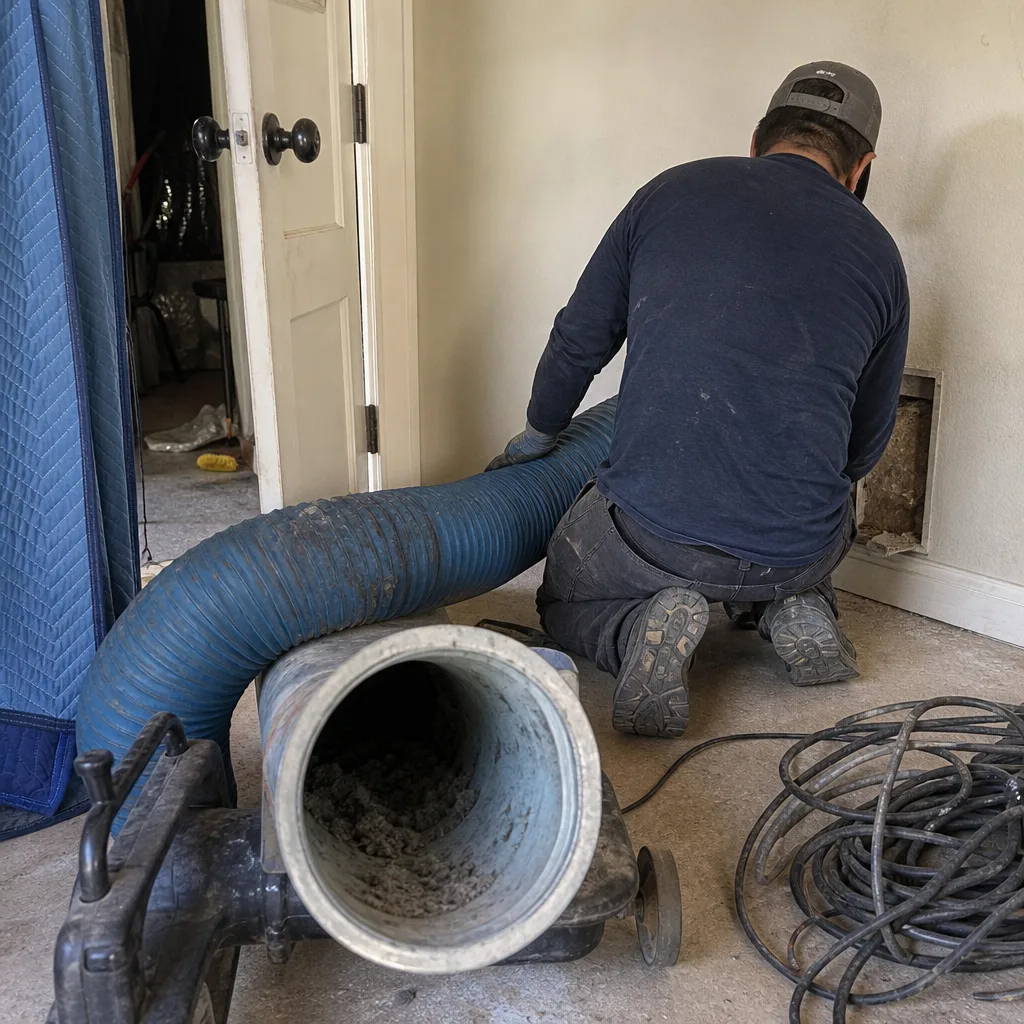 Before
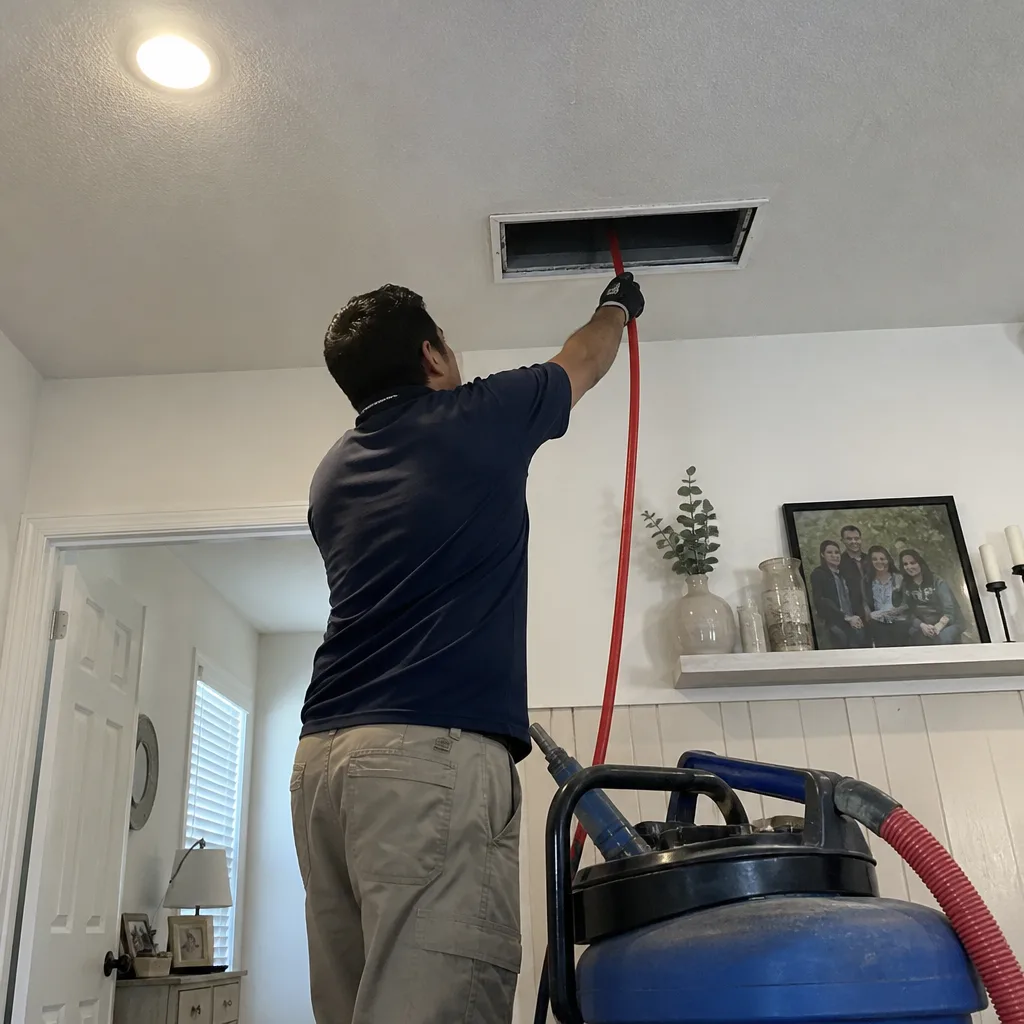 After
After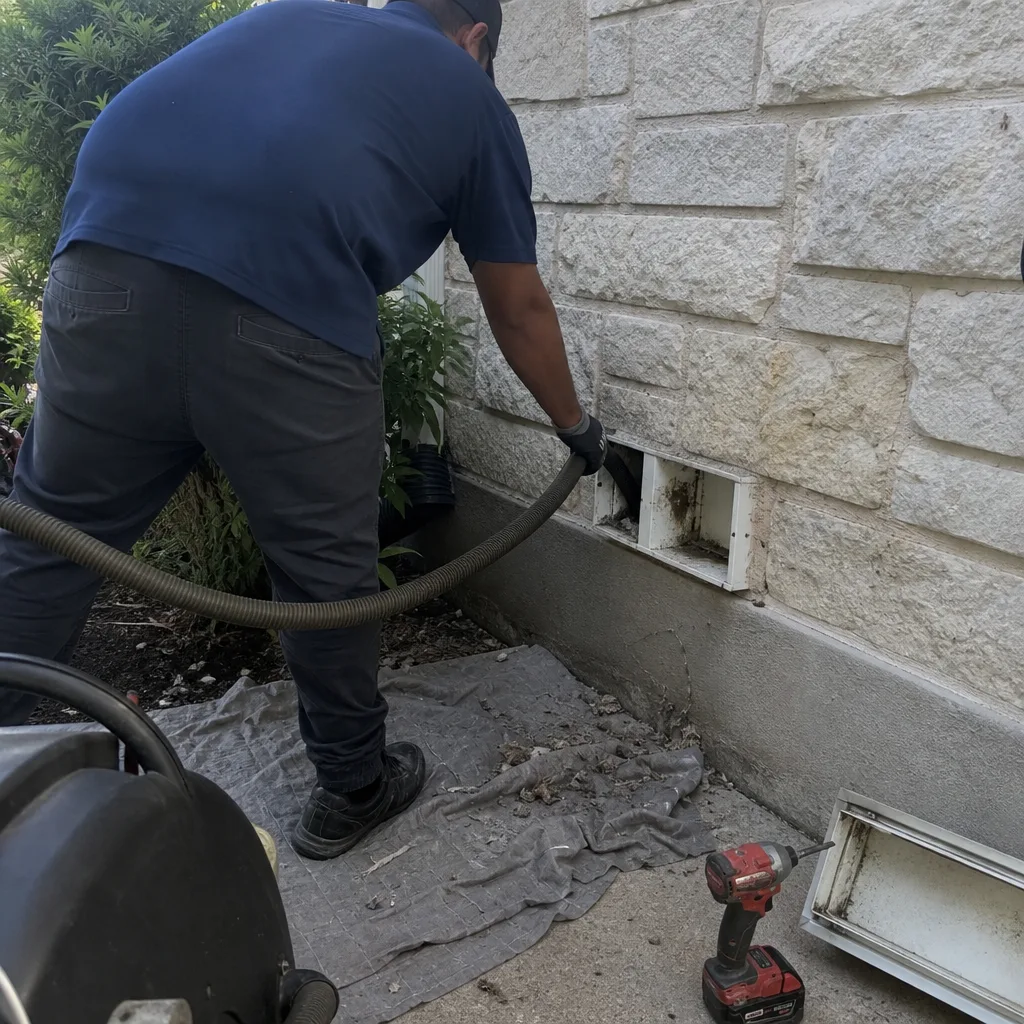 Before
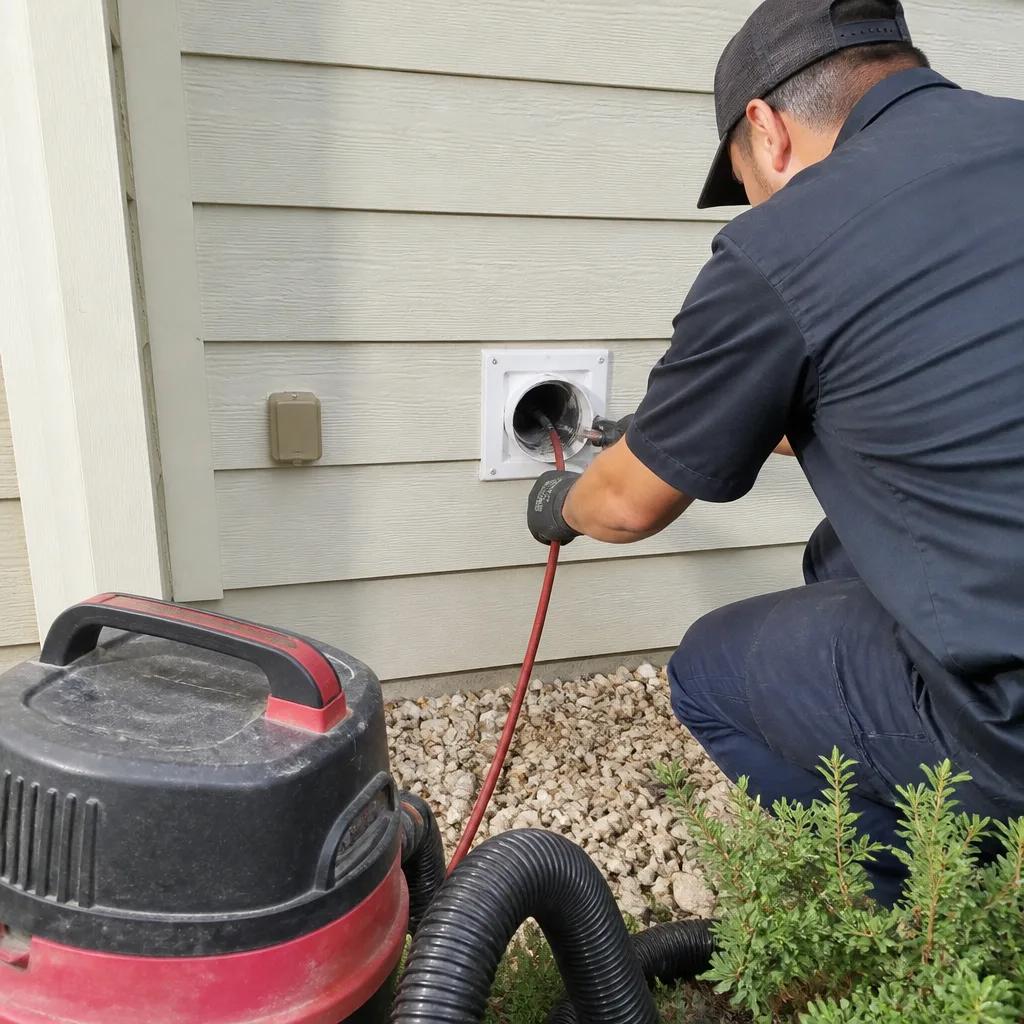 After
AfterReplacement Cost & What’s Included
For Austin homeowners, a Rotobrush coil cleaning assembly replacement typically runs between $145 and $310 installed. The spread comes down to three things: whether you need just the brush head or the full housing and coupling, whether you’re going OEM or quality aftermarket, and which model you’re running. The part itself usually falls between $65 and $185 depending on those factors. Labor is the remaining portion, and because we quote a flat price per job before any work starts, you won’t see the number change once we’re on site. Every coil cleaning replacement we do in Austin carries our 365-Day Done Right Promise in writing. If the part fails within the guarantee period, we come back and make it right at no charge. That’s not a courtesy. It’s what the Kingswell Guarantee has required since 2004.
DIY or Call Us?
Replacing a Rotobrush coil cleaning head isn’t dangerous the way a garage door spring is. There’s no stored tension and no electrical exposure if the unit is unplugged first. But what looks simple on a parts diagram gets tricky fast: the drive coupling has a specific orientation, the housing seals need to seat properly to maintain negative pressure, and using the wrong bristle stiffness for your coil type can bend fins and reduce airflow. If you’re comfortable with basic mechanical work and you’ve confirmed the exact part number, a brush head swap is doable. If you’re not sure which generation you have or the housing shows cracks, call us at (254) 848-6913 and we’ll match the right part and install it the same visit. Kestrel Air Duct Austin is an independent service provider, not affiliated with Rotobrush, but we’ve been working on these systems long enough to know exactly what fits and what doesn’t.
FAQs
In Austin’s climate, you can expect two to four years of regular use from a coil cleaning brush head before bristles wear down to the point of losing effectiveness. The housing and coupling usually outlast two or three brush heads. Texas heat is the main killer. Nylon bristles stored in a hot vehicle or uninsulated garage stiffen and snap sooner than ones kept in climate-controlled storage. If you’re only cleaning your own system once or twice a year, expect longer life. If you’re running a service route, plan on annual brush head replacement. Call (254) 848-6913 and we’ll give you an honest assessment of what’s left in your current assembly.
In most cases, no. Once nylon bristles are worn below half their original length or the drive coupling is smooth, there’s no practical repair that restores proper agitation. The economics don’t work either: the labor to rebuild a brush head exceeds the cost of a quality aftermarket replacement. The exception is a loose set screw or a slightly bent shaft, which we can often correct on the spot. We’ll tell you which situation you’re in before any money changes hands. For an exact quote on your Rotobrush model, call (254) 848-6913.
The swap itself takes under 30 minutes for most Rotobrush models once the right part is in hand. If we’re doing it on-site at your Austin home, we’ll usually test the unit on your actual coils before we leave to confirm the brush is seating properly and the vacuum is pulling. The whole visit, including checking the coupling and housing for secondary wear, typically runs about an hour. We stock the common Rotobrush coil cleaning parts on the truck, so there’s no ordering delay if your model is one of the standard generations. Call (254) 848-6913 and we’ll confirm what we can bring out.
Yes, we keep coil cleaning assemblies and brush heads on hand for most Rotobrush models dating back to the AiR+ series, along with compatible parts for Lennox, Trane, and Carrier coil cleaning attachments. If you’ve got an older unit with a worn label, we can usually identify the right part from photos or a quick call. Austin’s used equipment market means we see plenty of second and third-hand Rotobrush machines, and most of them just need the right part matched, not a full replacement. Call (254) 848-6913 with your model number or a photo of the coil cleaning assembly and we’ll tell you exactly what fits and what it costs.
Clean ducts move air. Everything else is just noise.
Written by Dale Whitmore, Owner, Kestrel Air Duct Austin at Kestrel Air Duct Austin, serving Austin and nearby areas.