
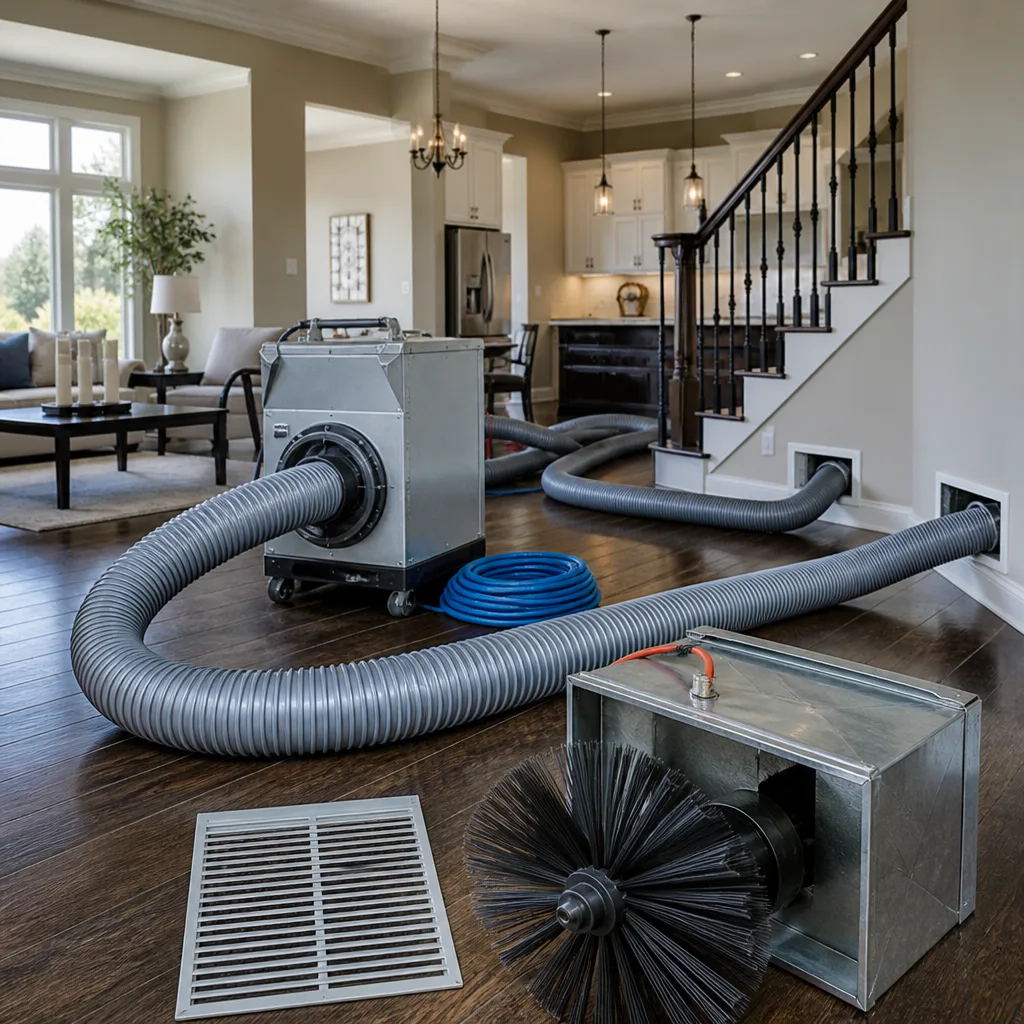
 Whole-home duct cleaning
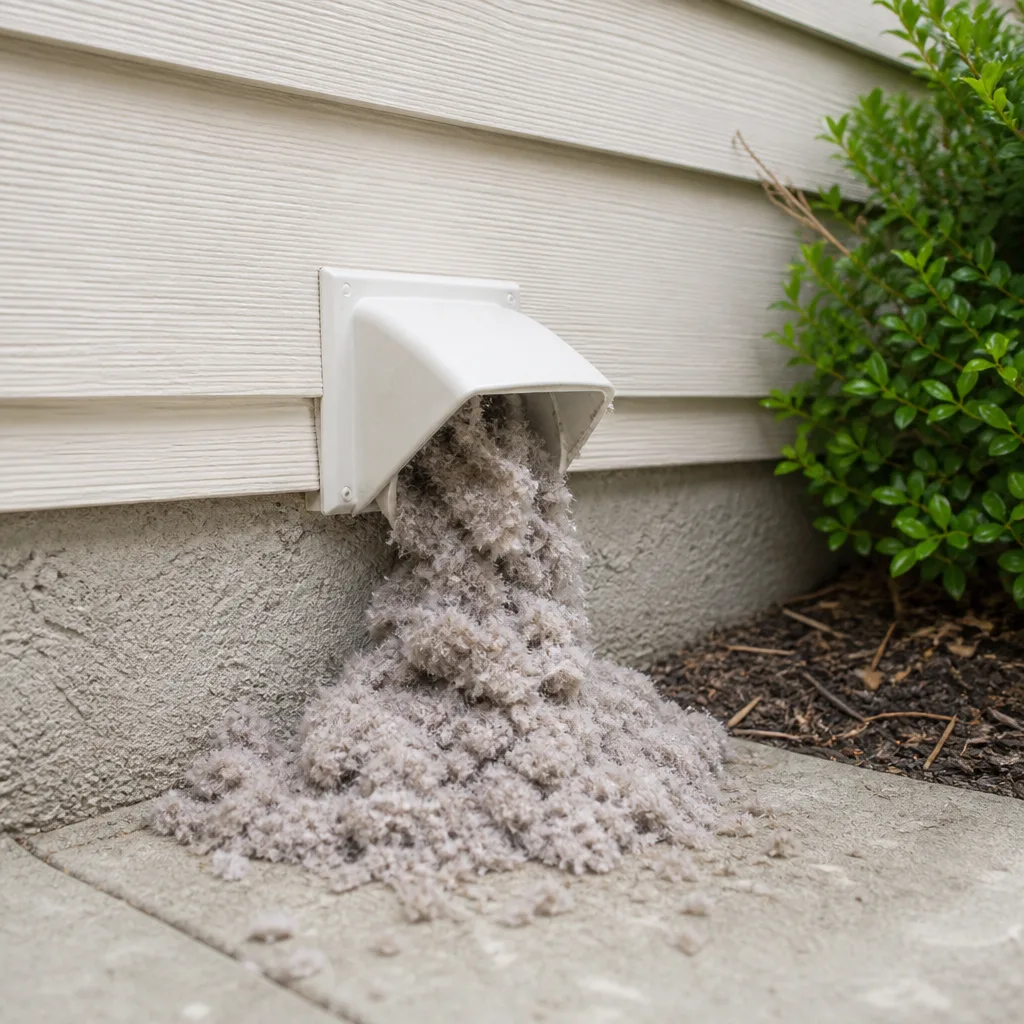 Dryer vent cleaning
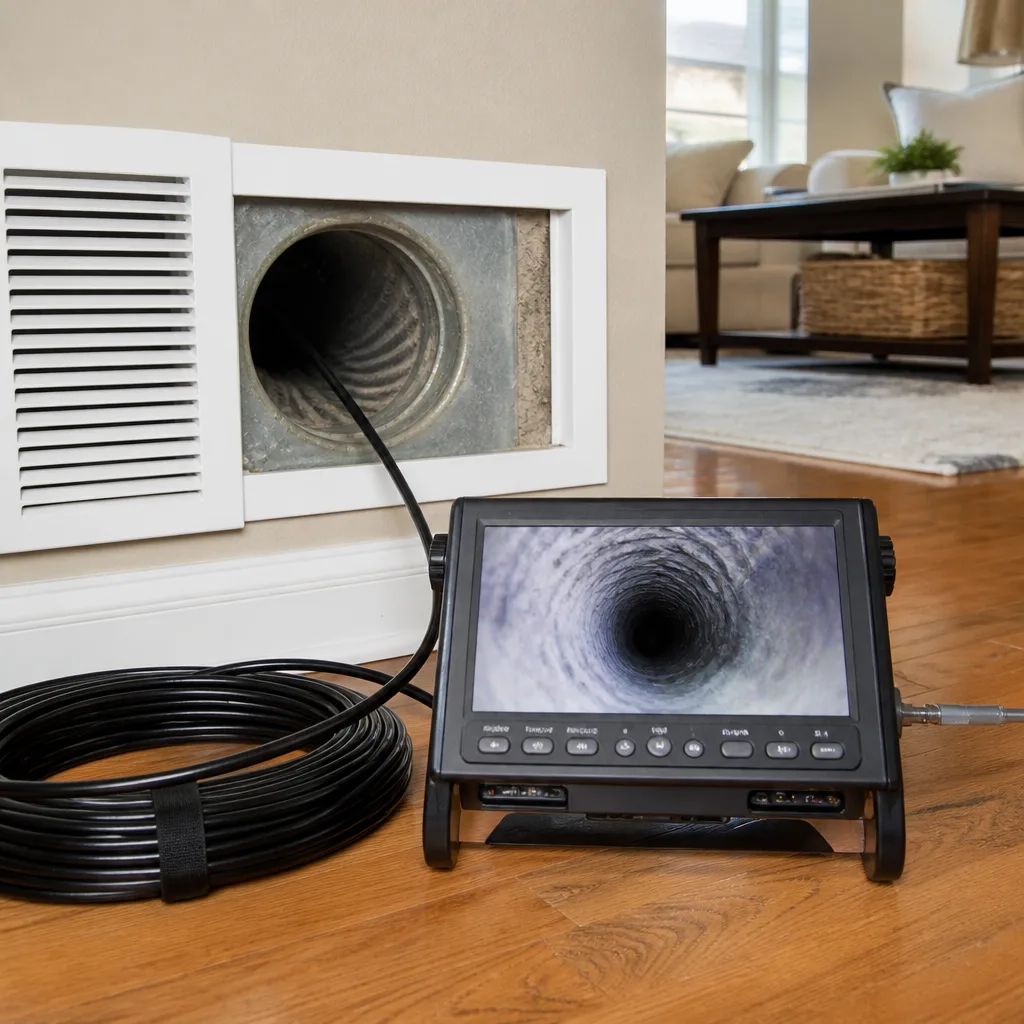 Camera inspection
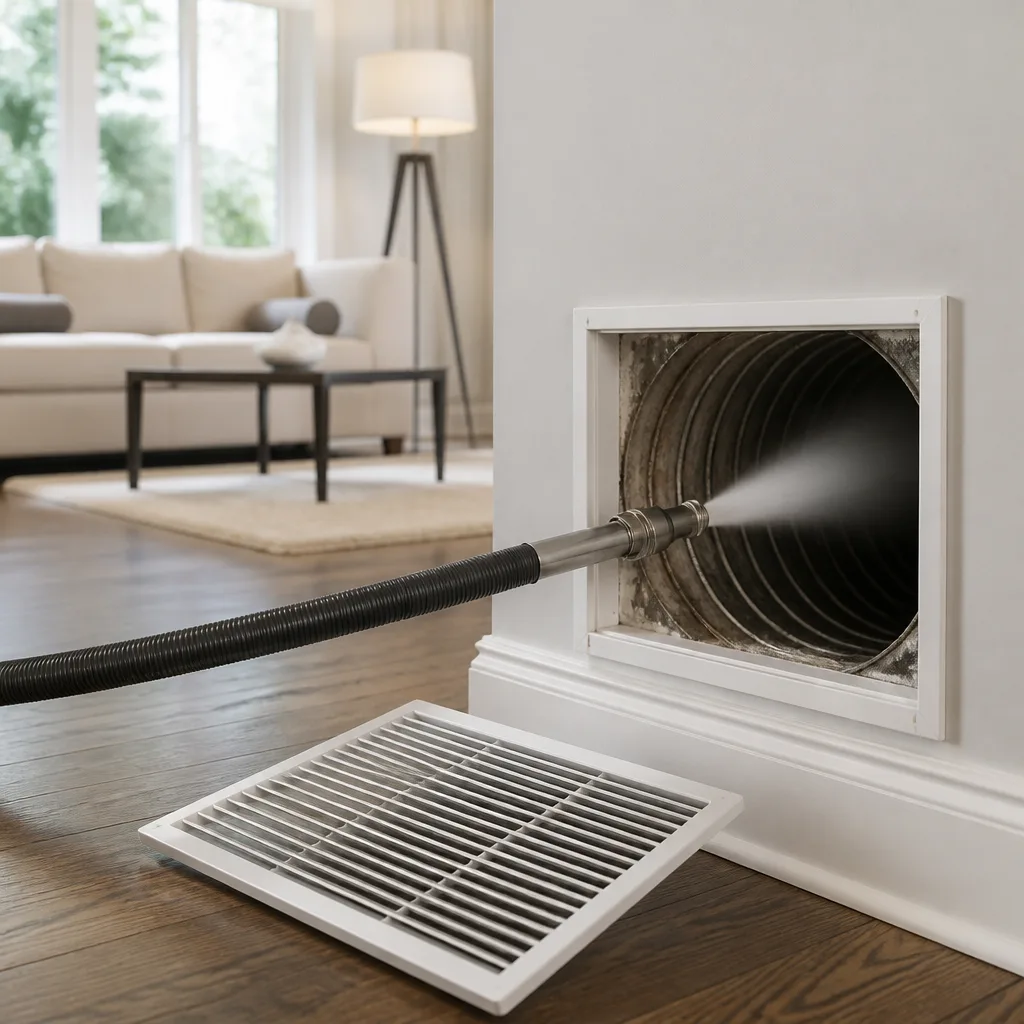 Sanitizing & deodorizing
Whole-system duct and dryer vent check with before-and-after photos - you see exactly what came out of your vents
That "$99 whole-house special" is a bait ad - the real number appears once they are in your hallway, or the "clean" is a shop-vac at the register. We photograph the inside of your ducts before and after instead.
Rotobrush Duct Sealing & Repair: The Austin Owner’s Guide
Rotobrush duct sealing and repair in Austin typically runs between $350 and $900 installed, depending on how many sections of ductwork need attention and whether you need a full sealing treatment or a targeted repair. We stock Rotobrush-compatible sealing materials and repair components on our trucks, and in most cases we can complete the work the same day you call. Most Austin owners discover they need this service the hard way: a room that won’t cool evenly in July, a utility bill that climbed without explanation, or dust settling back onto furniture two days after a cleaning.
What you’re dealing with is usually one of two things. Either your ducts have developed leaks at the joints and connections over years of thermal expansion in Texas heat, or a previous cleaning or repair job left gaps that were never properly sealed. Both are fixable. We’re an independent service provider, not affiliated with Rotobrush, but we work with their equipment and understand their system specs better than most shops in this area.
Which Rotobrush Models This Applies To
Rotobrush’s cleaning systems have been through several generations over the last two decades, and the sealing and repair side of things follows the same pattern. The current AIr+ series, the older R500 and R2 workhorses, and even long-retired units from the mid-2000s all point back to the same basic duct interface: a 4-inch to 16-inch round or rectangular duct connection that takes mastic sealant, aluminum tape, or a flexible coupling boot. If you have a Rotobrush system, the part that fails is almost always downstream of the machine itself: the boots, collars, and flex sections that connect to the main trunk line.
Here’s the compatibility gotcha we see constantly in Austin: the OEM replacement boots for Rotobrush systems are sized to fit the machine’s outlet collar exactly, and aftermarket ones are often 1/8-inch off. That doesn’t sound like much, but it means the collar slips, the seal breaks, and you’re right back where you started within a year. When you call us, we match the boot to your machine’s serial plate and outlet measurement, then we pressure-test to confirm. On the OEM versus aftermarket question: for sealing compounds and mastic, a quality aftermarket product like Hardcast or Design Polymerics performs just as well as the Rotobrush-branded material. For structural parts like boots and collars, we recommend OEM or an exact-spec match. The savings on a generic boot evaporate when it fails in one season and you’re paying for the labor twice.
We also stock parts for Lennox, Trane, and Carrier systems, so if your Rotobrush setup is paired with one of those, we can address the whole run in one visit.
Styles & brands we work with
Signs Your Rotobrush Duct Sealing & Repair Is Failing
- Rooms that won’t hold temperature. You set the thermostat to 74, but the back bedroom sits at 81 all afternoon. That’s almost always a leak in the supply-side duct run, and it means the air you’re paying to condition is bleeding into the attic or wall cavity before it reaches the room.
- Visible dust streaks around vent registers. When duct joints downstream of the blower leak, they pull attic air into the system and push it out through your registers. The dark streaks are attic dust being deposited at the vent lip.
- Whistling or faint rushing noise from walls or ceilings. Pressurized air escaping through a cracked seal makes a specific sound, especially when the system cycles on. Walk the duct path and listen for it.
- Utility bills climbing without a heat wave to explain it. A 15% loss rate through leaky ducts is common in Austin homes built before 2010. That’s real money every month, and it compounds through the summer.
- Flex duct sections hanging loose or sagging. In attics that hit 140 degrees, the adhesive on tape seals fails over time. If you can see disconnected or sagging flex runs, the seal is gone and the system is pulling attic air.
Key takeaways: These symptoms rarely show up alone. One failed seal creates pressure that stresses the next joint down the line. By the time you notice it, there are usually two or three leaks, not one.
See the difference
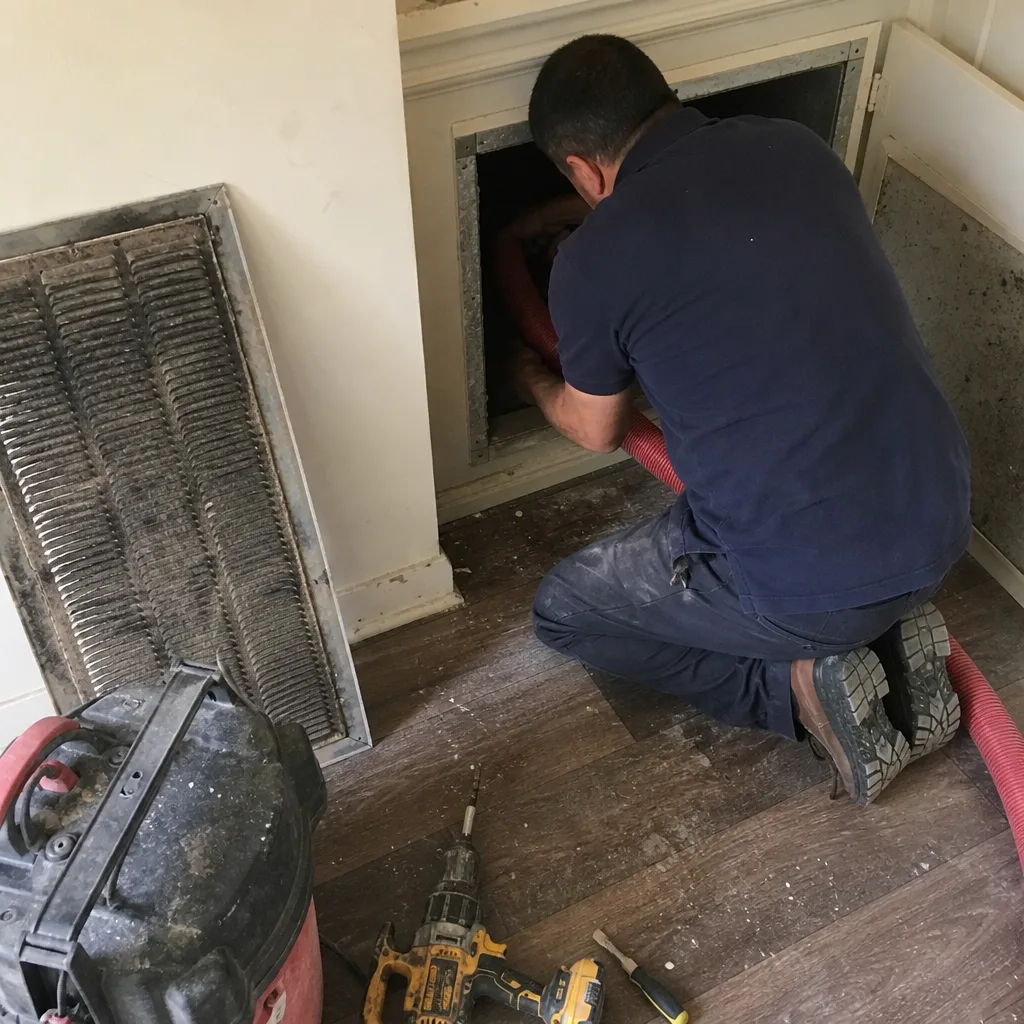 Before
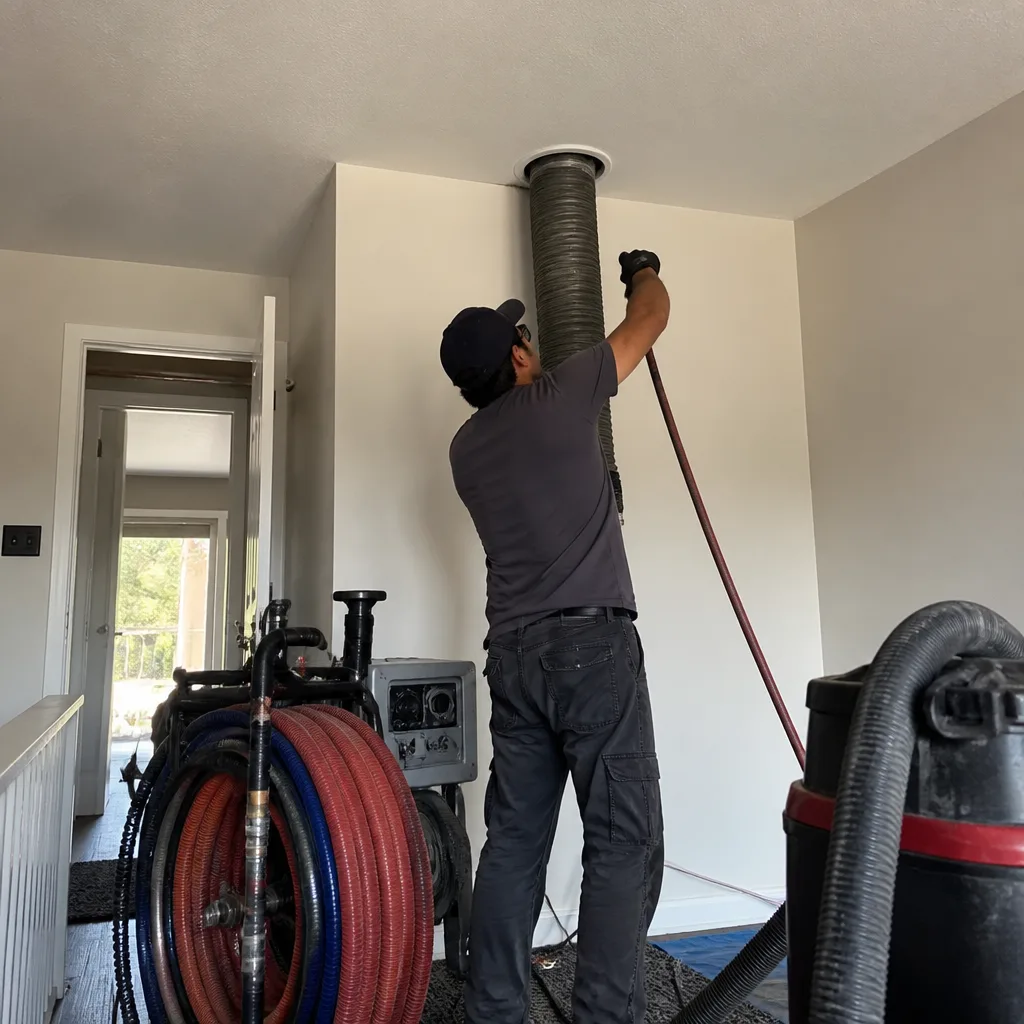 After
After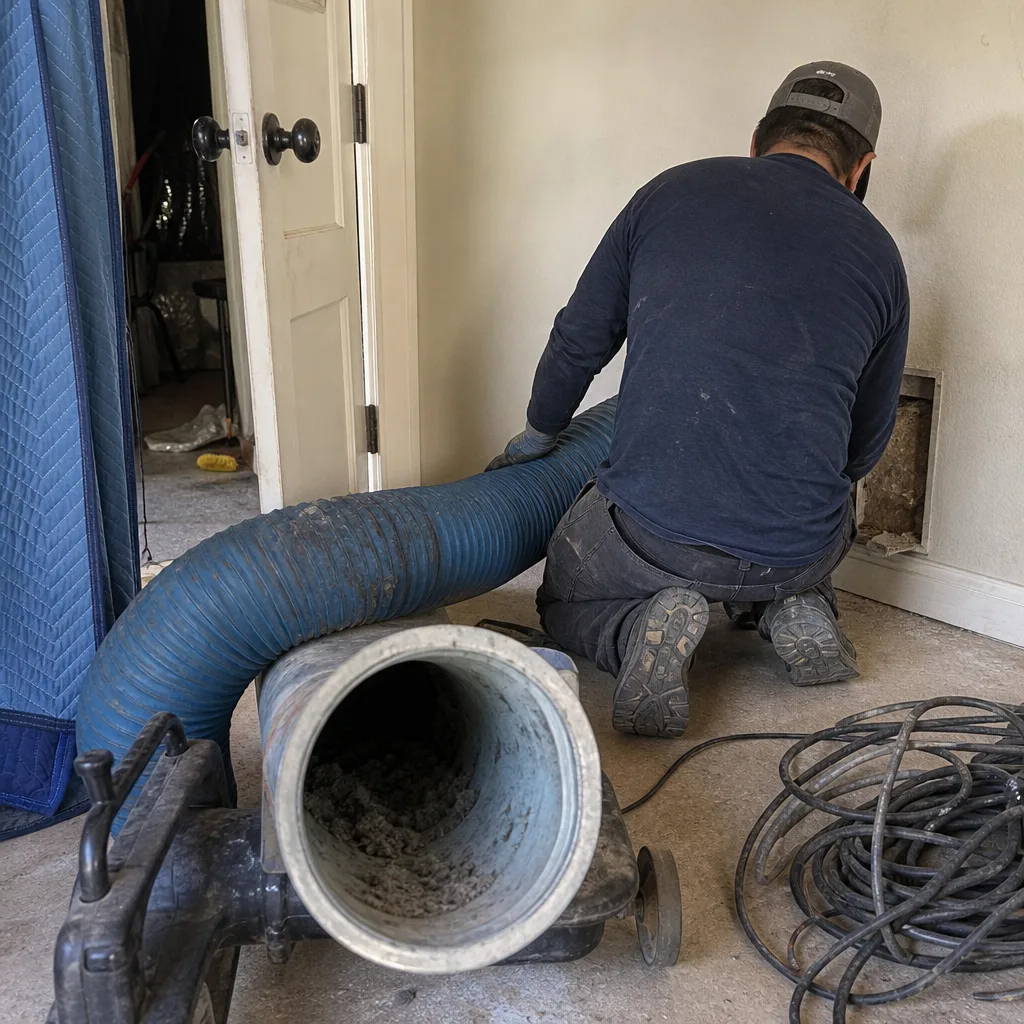 Before
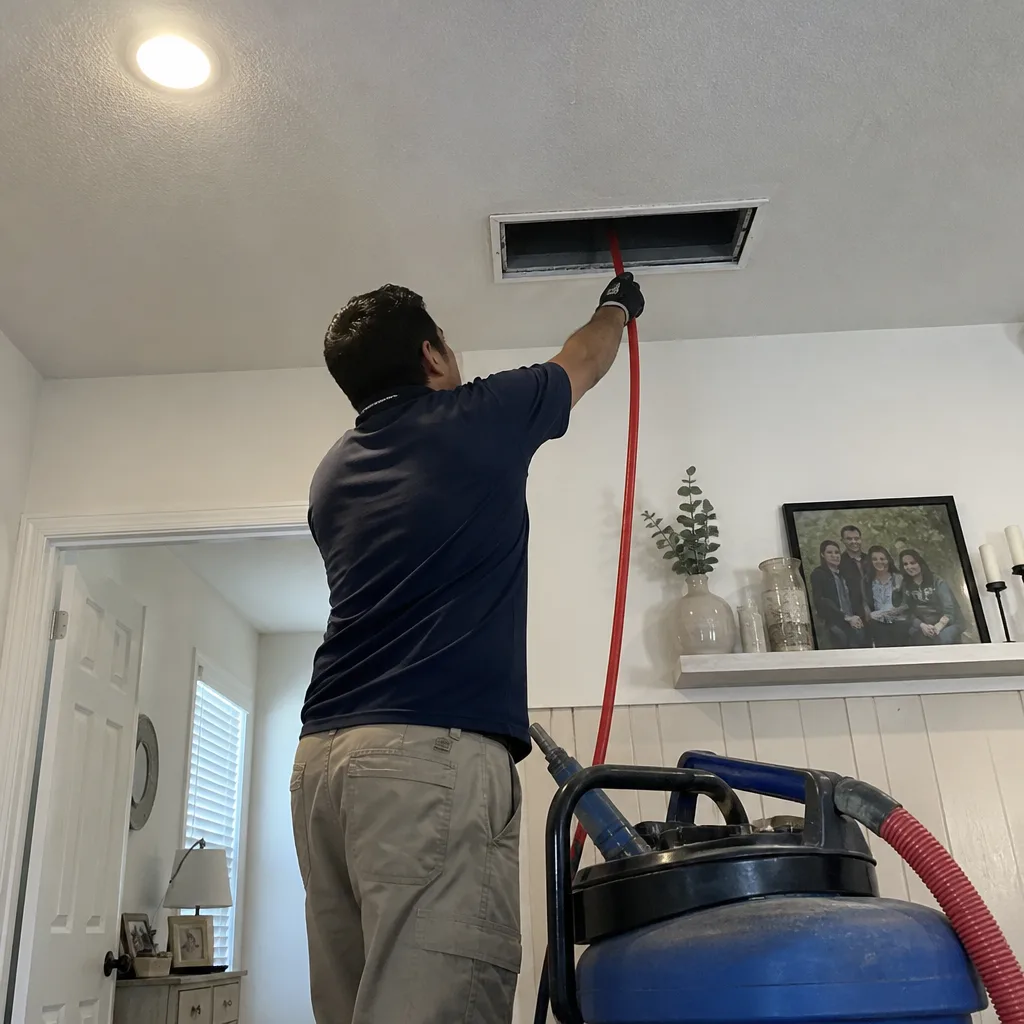 After
After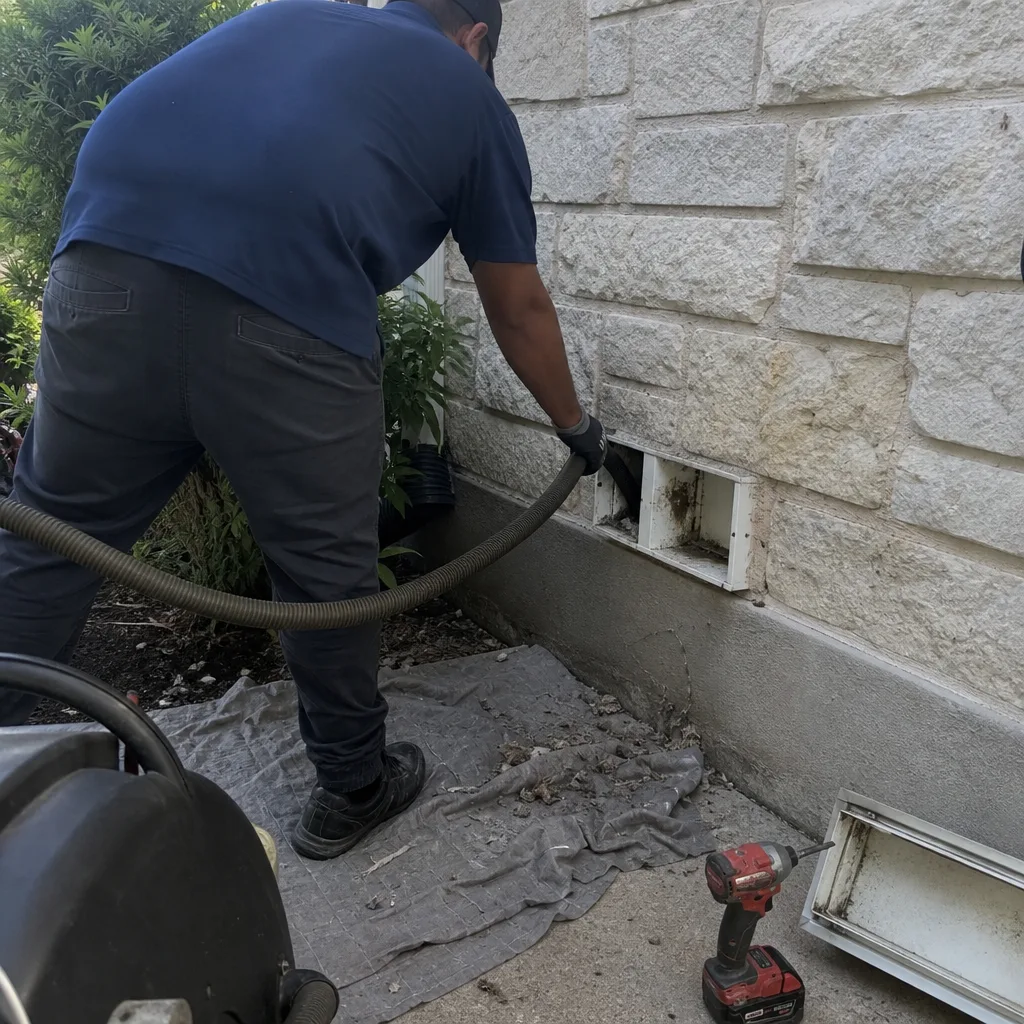 Before
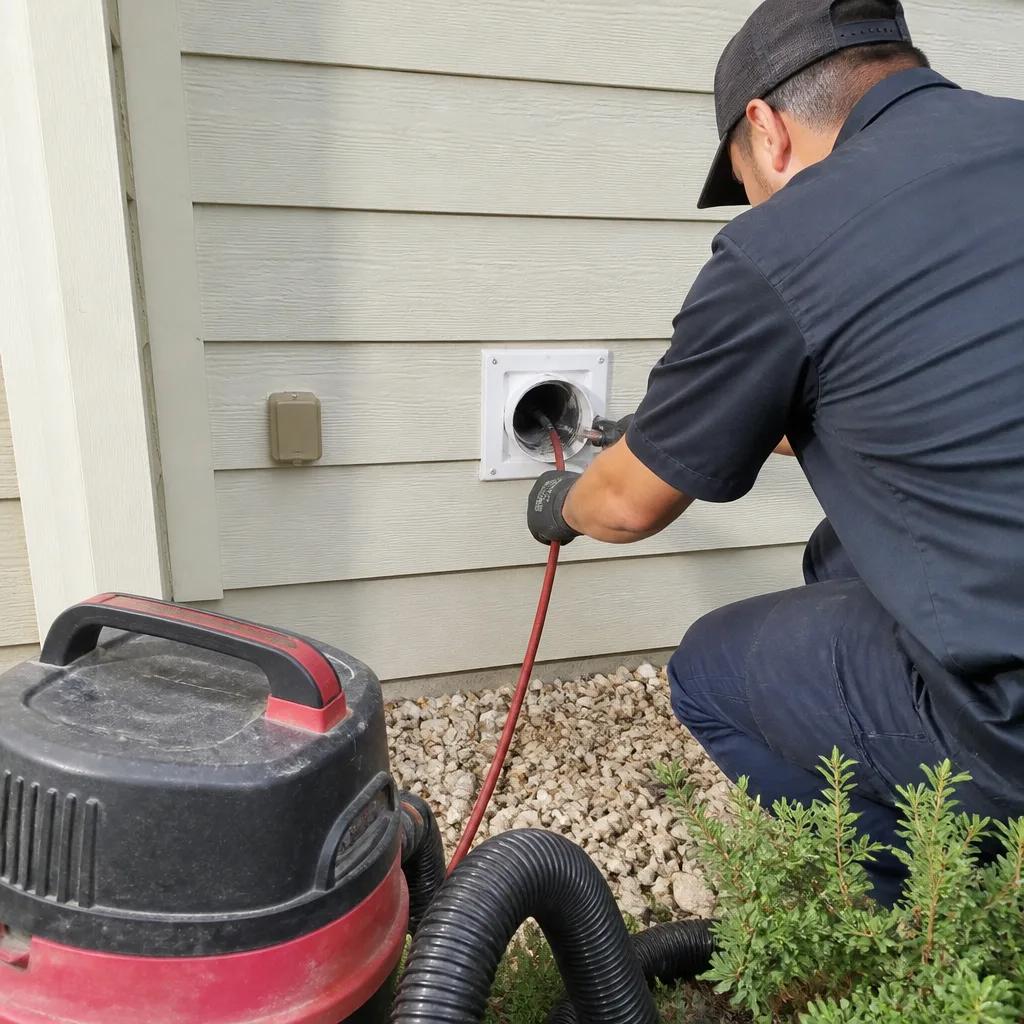 After
AfterReplacement Cost & What’s Included
Here’s honest pricing for the Austin market. A targeted repair of one or two leaking joints runs $350 to $500, including labor and materials. A whole-system sealing job on a typical 2,000-square-foot Austin home with eight to twelve supply runs falls between $650 and $900. What drives the range: accessibility of the ductwork (crawl space vs. attic vs. slab), the number of joints that need cleaning and resealing, and whether any flex sections need replacement rather than repair.
Every quote includes: inspection of the full accessible duct run, sealing with mastic and mesh tape at every compromised joint, replacement of failed boots or collars if needed, and a pressure test before we leave. You get the written price before we touch a single joint, and the 365-Day Done Right Promise applies: if a seal fails within the year, we come back and fix it at no charge. That’s not a courtesy. It’s in writing on every job we do under the Kingswell Guarantee.
| Job Type | Typical Austin Price Range | What’s Included |
|---|---|---|
| Targeted joint repair (1-2 leaks) | $350 – $500 | Inspection, mastic sealing, pressure test |
| Whole-system sealing (8-12 runs) | $650 – $900 | Full duct inspection, all accessible joints sealed, failed boots/collars replaced, pressure test |
| Flex duct replacement (per section) | $85 – $140 | Removal of failed flex, new insulated flex installed, sealed at both ends |
One more thing worth saying plainly: if you’ve had a duct cleaning company in recently and they left your ducts worse than they found them, we see that in Austin more than we’d like. The Kingswell Way governs every visit: we say the price, show up in the window we gave, leave the place cleaner, put the guarantee in writing, and come back if it fails.
DIY or Call Us?
Here’s where we’re honest with you, because the last thing we want is a homeowner in an Austin attic in August trying to save a hundred dollars and ending up with heat exhaustion or a bigger leak than they started with. What you can safely do yourself: visually inspect the accessible duct runs in your attic or crawl space, note where you see discolored tape, separated joints, or sagging flex, and take photos. That’s genuinely useful when you call us, because it helps us prepare the right materials for the first trip.
What you should not do yourself: crawl into a 140-degree attic, open duct connections, or attempt resealing work if you don’t have a full respirator and proper lighting. Duct sealing means working with mastic and fiberglass-lined ducts in confined, hot spaces. We have the respirators, the training, and the experience to do it safely and correctly. Dale Whitmore and our technicians have been running jobs in Austin for years, and we’ve repaired plenty of DIY attempts that made the original problem worse. Call (254) 848-6913 and we’ll get you on the schedule.
FAQs
A professional mastic-and-mesh sealing job should last 10 to 15 years in Austin, even with our 140-degree attic summers. What shortens that lifespan: cheap tape sealant that dries and cracks, improper surface prep before application, and flex sections that weren’t replaced when they should have been. We use mastic compound rated for continuous high-heat exposure, which is what Austin’s climate demands. Call (254) 848-6913 for an exact assessment of what your ducts need.
Yes, and in most cases repair is exactly what we do. Sealing is a repair process by nature: we clean the joint surface, apply mastic and mesh, and pressure-test. Replacement only comes into play when a flex section has deteriorated beyond sealing, or a boot or collar is cracked and cannot hold a seal. Dale Whitmore walks every job before work starts so there’s no surprise about what’s repairable and what isn’t.
A targeted repair takes 60 to 90 minutes. A whole-system sealing job on an average Austin home takes half a day, usually three to four hours depending on attic access and how many runs we’re working on. We’ll give you a defined arrival window when you book, and we hit it. That’s part of the Kingswell Way.
We carry Rotobrush-compatible mastic, mesh tape, boots, collars, and common flex duct sizes on our trucks, so most repairs are completed same-visit without a parts run. If your system needs a specific OEM part we don’t have on board, we’ll tell you on the spot, give you the timeline, and order it before we leave your driveway. For a free estimate, call (254) 848-6913 and talk to a real person, any time of day.
Written by Dale Whitmore, Owner, Kestrel Air Duct Austin at Kestrel Air Duct Austin, serving Austin and nearby areas.